Many people wake up feeling heavy, tired, or sluggish. Mornings often begin in a rush, with little attention to simple daily habits. Over time, this can affect how fresh and balanced the day feels.
In traditional Indian lifestyles, mornings were slow and mindful. One common habit was starting the day with a glass of warm water. This simple practice is still followed in many households today.
The warm water benefits in the morning are often discussed in Ayurveda as part of a gentle daily routine. It is a natural habit that focuses on balance, awareness, and mindful living rather than quick results.
What Is Warm Water Benefits in the Morning?
Warm water in the morning means drinking plain water that is slightly warm, not hot. It is usually consumed soon after waking up, before tea or breakfast.
In Ayurveda, this practice is traditionally used to awaken the body gently after rest. It is believed that warm water supports the body’s natural rhythms and prepares the digestive system for the day.
The warm water benefits in the morning are commonly associated with simplicity. No herbs, powders, or complex steps are involved. It is a daily habit rooted in traditional wisdom and mindful living.
Ayurvedic / Traditional Benefits
According to traditional beliefs and general wellness practices, drinking warm water in the morning may offer several gentle benefits:
- Often used to support a calm and balanced morning routine
- Traditionally believed to encourage natural digestion
- Commonly used to help the body feel lighter after waking
- May help promote regular hydration habits
- Often associated with improved awareness of daily self-care
These benefits are based on traditional use and personal experiences shared over generations. They are not meant as medical outcomes.
How to Prepare at Home
This practice is very simple and requires no special tools.
Ingredients:
- 1 glass of clean drinking water
Preparation Steps:
- Take fresh drinking water in a clean vessel.
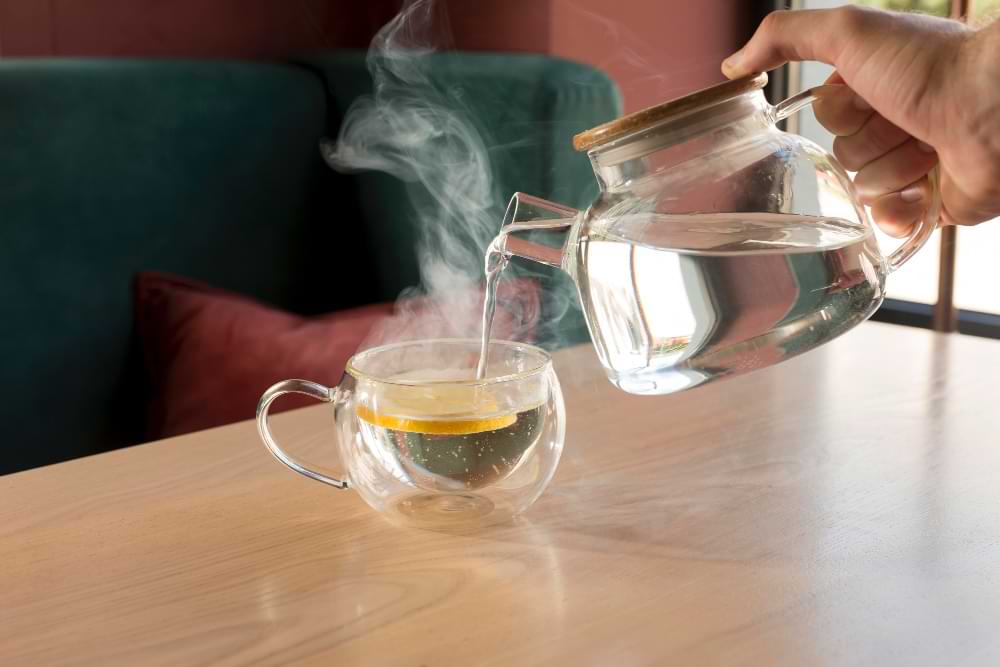
- Warm the water until it is comfortably warm. Do not boil.
- Sip the water slowly while sitting calmly.
The water should feel soothing, not hot. Drinking slowly is considered part of the mindful practice.
When Is the Best Time to Use It?
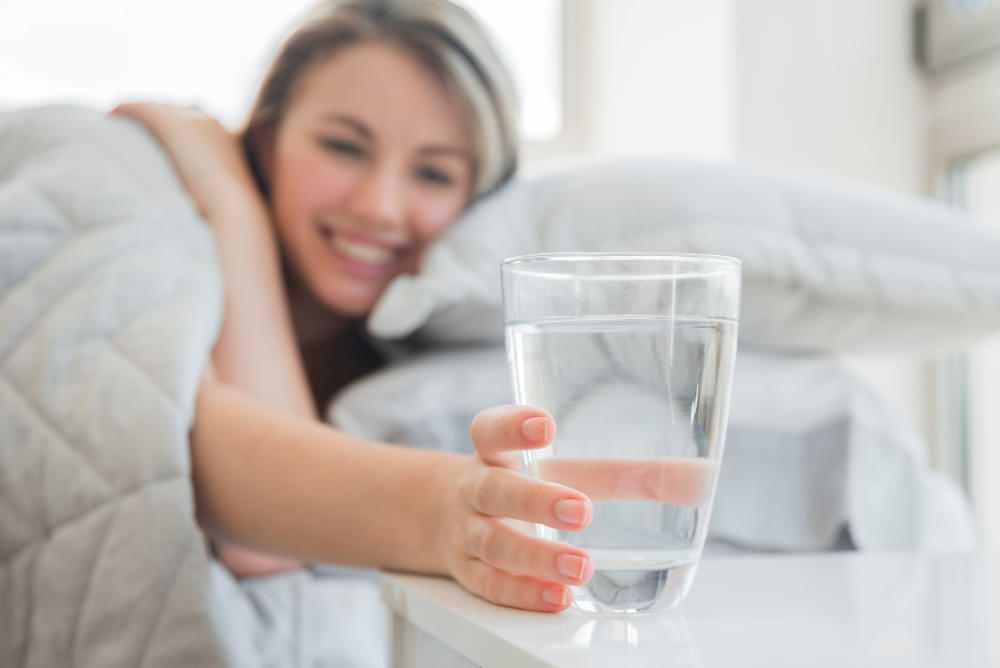
Traditionally, warm water is consumed early in the morning. It is usually taken after waking up and before eating or drinking anything else.
Many people prefer to drink it while sitting quietly for a few minutes. This calm timing allows the body and mind to transition smoothly into the day.
Some people adjust this habit based on weather. For example, warm water is more commonly used during cooler seasons.
Who Should Avoid or Be Careful?
While this habit is gentle, it may not be suitable for everyone.
- People who feel discomfort after drinking warm water should avoid it
- Those with specific digestive sensitivities should be cautious
- Anyone advised otherwise by a qualified professional should follow that guidance
If you have ongoing health concerns or unique conditions, it is always wise to consult a qualified professional before adopting new daily habits.
Tips for Best Results
- Drink the water slowly, not in a hurry
- Keep the temperature mildly warm, never hot
- Make it a consistent daily habit for mindfulness
- Sit calmly instead of drinking while standing
- Avoid adding lemon or other ingredients unless advised
Consistency and simplicity are often emphasized in traditional practices.
Conclusion
Starting the day with warm water is a gentle and mindful habit rooted in Ayurvedic tradition. It does not promise quick changes or dramatic effects. Instead, it encourages awareness and balance.
The warm water benefits in the morning are traditionally linked to simple living and daily discipline. When practiced mindfully, it may help create a calm foundation for the rest of the day.
Wellness, according to Ayurveda, often begins with small and consistent habits. Warm water in the morning is one such practice that reminds us to slow down and care for the body gently.
Disclaimer: This article is for informational and educational purposes only. It is based on traditional practices and general wellness knowledge. It is not intended to diagnose, treat, cure, or prevent any disease. Please consult a qualified professional before making any health-related changes.