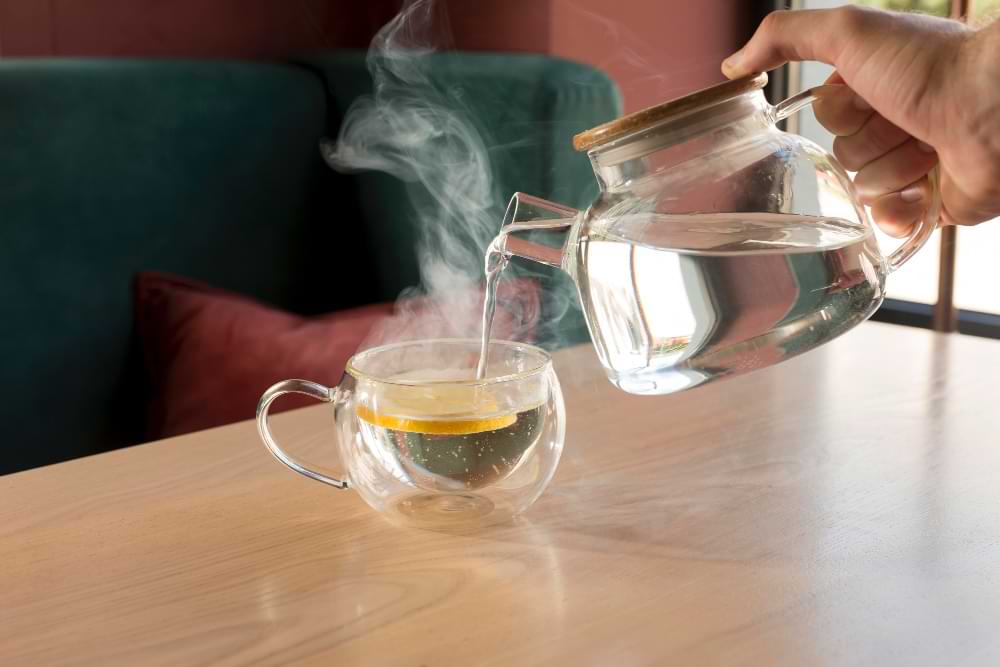
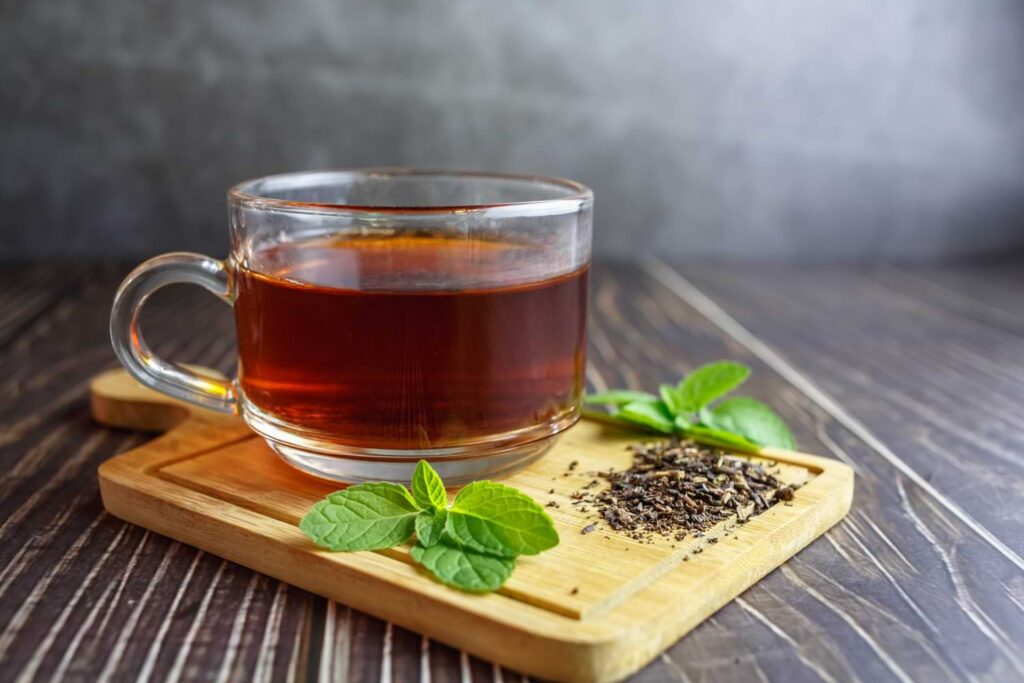
Tulsi tea benefits have been valued for generations as part of traditional Indian daily wellness practices. In a world full of fast routines and processed drinks, many people are returning to traditional habits. Simple herbal drinks are once again becoming part of daily life. One such drink is tulsi tea, also known as holy basil tea.
Tulsi tea has been traditionally used in Indian households for generations. It is commonly believed to support balance, calmness, and mindful living. This article explores tulsi tea benefits in a gentle and traditional way.
What Is Tulsi Tea?
Tulsi tea is a herbal drink prepared using the leaves of the tulsi plant. Tulsi holds a special place in Indian culture and Ayurveda. It is often grown at home and used fresh or dried.
The tea is made by boiling tulsi leaves in water. It is naturally caffeine-free and light. Because of this, it is suitable for daily consumption in moderation.
Traditional Importance of Tulsi
Tulsi is not only valued for wellness but also for its cultural significance. In many homes, it is considered a sacred plant. People care for it as part of daily rituals.
Traditionally, tulsi leaves have been used in herbal drinks, kadhas, and home preparations. Tulsi tea is often consumed as a daily habit rather than a remedy.
Benefits of Tulsi in Traditional Wellness
The benefits of tulsi are mostly based on traditional use and long-standing belief systems. These benefits focus on balance rather than treatment.
Tulsi is commonly believed to support harmony between the body and mind. This is why it is often included in daily routines.
Tulsi Tea Benefits for Daily Wellness
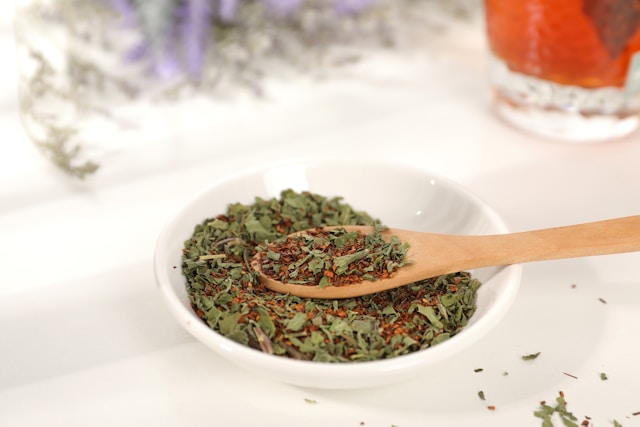
Tulsi tea benefits are associated with gentle daily support. It is not meant to cure or treat any condition. Instead, it fits into a balanced lifestyle.
Many people enjoy tulsi tea as part of their morning or evening routine. The warmth and aroma itself feel comforting.
May Help Promote Calmness and Relaxation
One of the well-known tulsi tea benefits is its calming nature. Traditionally, it is believed to help the mind slow down after a busy day.
People often drink tulsi tea in the evening. It may help create a peaceful moment before rest. This makes it suitable for mindful living practices.
Traditionally Used to Support Daily Energy
Tulsi tea is commonly consumed in the morning by some people. Even without caffeine, it feels refreshing. The natural aroma is uplifting.
Traditionally, tulsi tea is believed to support steady energy levels. It does not cause sudden stimulation, making it gentle for daily use.
Tulsi Tea and Digestive Comfort
Tulsi tea is often enjoyed after meals. Traditionally, it is believed to support digestive comfort. This belief comes from its long history of use.
Warm herbal drinks are commonly associated with a light and settled feeling. Tulsi tea fits well into this traditional practice.
May Help Support Immunity in a Traditional Sense
In many households, tulsi tea is commonly believed to support immunity. This belief is rooted in tradition rather than modern medical claims.
During seasonal changes, people often include tulsi tea in their routine. It is seen as a supportive daily habit during such times.
Tulsi Tea Benefits for Mindful Living
One of the subtle tulsi tea benefits is the habit it encourages. Preparing tea slowly creates a moment of pause in daily life.
Many people enjoy tulsi tea during meditation, reading, or quiet breaks. This mindful practice itself supports mental calm and balance.
How to Prepare Tulsi Tea at Home
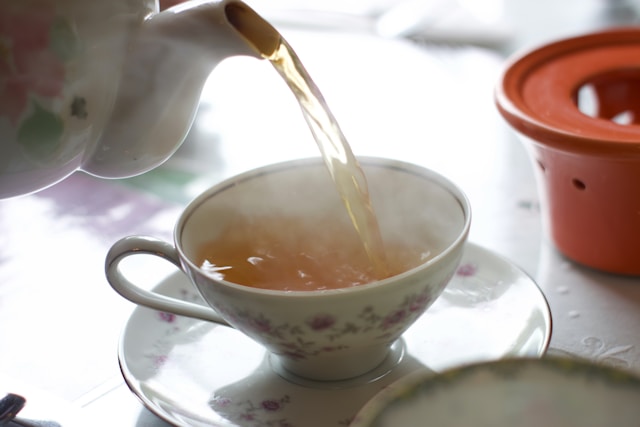
Making tulsi tea at home is simple and quick.
Take a few fresh or dried tulsi leaves. Boil them in water for five to ten minutes. Strain the tea and drink it warm.
Optional ingredients like ginger, honey, or lemon can be added for taste. However, plain tulsi tea is traditionally preferred.
Best Time to Drink Tulsi Tea
Tulsi tea can be enjoyed at any time of the day. Morning and evening are the most common choices.
Some people prefer drinking it on an empty stomach. Others enjoy it after meals. The best time depends on personal comfort.
Who Should Be Mindful While Drinking Tulsi Tea
Tulsi tea is generally considered gentle. However, moderation is important. Drinking too much of any herbal tea may not suit everyone.
Pregnant or breastfeeding individuals should consult a qualified professional before regular consumption. Listening to your body is always essential.
Tulsi Tea vs Regular Tea
Tulsi tea is naturally caffeine-free. This makes it suitable for people who avoid stimulants.
Regular tea is often consumed for alertness. Tulsi tea, on the other hand, is more about calmness and tradition.
Adding Tulsi Tea to a Daily Routine
You do not need to change your lifestyle to enjoy tulsi tea benefits. Start with one cup a day.
Consistency matters more than quantity. A simple daily habit can feel more supportive than occasional use.
Conclusion
Tulsi tea is a traditional herbal drink trusted for generations. It is commonly believed to support calmness, balance, and mindful living.
When enjoyed in moderation, tulsi tea may help you reconnect with simple wellness habits. It is not a cure, but a comforting part of daily life.
Disclaimer: This article is for informational and educational purposes only. It is based on traditional practices and general wellness knowledge. It is not intended to diagnose, treat, cure, or prevent any disease. Please consult a qualified professional before making any health-related changes.