
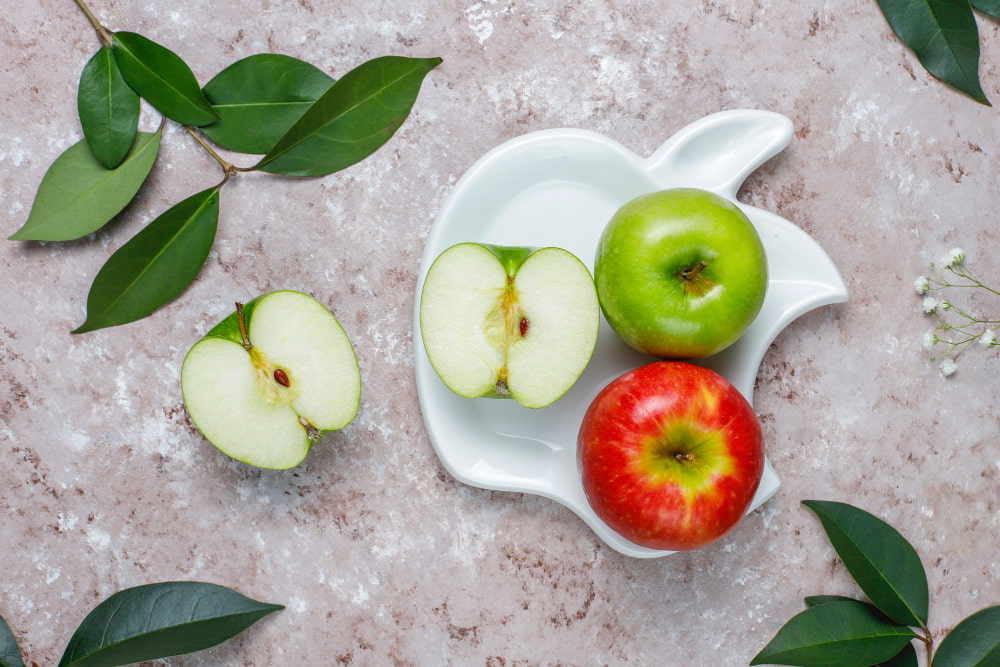
Apples in daily diet are a simple and familiar choice that many people include as part of gentle wellness and everyday healthy living. Apples are among the most widely enjoyed fruits across cultures, valued for their taste, convenience, and versatility.
Rather than being treated as a “superfood” or a cure-all, apples are best understood as a simple, everyday fruit that fits naturally into a balanced lifestyle. When eaten mindfully, apples can support gentle wellness and encourage healthier eating habits without adding pressure or complexity.
Apples in Daily Diet as Part of Food Habits
Apples have long been included in daily diets because they are easy to store, simple to eat, and widely available. From childhood snacks to adult meals, apples often appear naturally in everyday food routines.
Their popularity comes from simplicity:
- No preparation required
- Easy to carry and store
- Pleasant taste without added sugar
Including apples regularly can help reinforce the habit of choosing whole foods. Such habits are often associated with a more mindful and balanced approach to eating.
Also read: Turmeric Milk Benefits: A Simple Ayurvedic Drink for Daily Wellness
Apples and Gentle Wellness Support
From a wellness perspective, apples are appreciated for how easily they fit into daily life. They do not require special planning, supplements, or combinations.
Some gentle wellness qualities of apples include:
1. Light and Naturally Refreshing
Apples are often chosen for their clean, crisp taste. Many people enjoy them during the day when they want something light yet satisfying.
2. Encourages Regular Eating Patterns
Having fruits like apples available can reduce the tendency to skip meals or rely heavily on processed snacks.
3. Suitable for All Age Groups
Apples are commonly enjoyed by children, adults, and older individuals, making them a family-friendly fruit choice.
Benefits of Apples to the Body
When included as part of a balanced daily diet, apples are commonly associated with several gentle wellness benefits. These benefits focus on overall lifestyle support rather than medical outcomes.
• Supports Digestive Comfort
Apples contain natural dietary fiber when eaten whole. Fiber-rich foods are traditionally included in diets that aim to support comfortable digestion and regular eating habits.
• Encourages Mindful Snacking
Choosing an apple as a snack may help reduce cravings for overly processed or sugary foods. This supports mindful eating and portion awareness.
• Helps Maintain Daily Energy Balance
Apples provide natural carbohydrates, which many people find helpful for maintaining steady energy during daily activities.
• Contributes to Hydration Awareness
With their natural water content, apples can add to the feeling of freshness and hydration as part of a daily diet.
• Supports Balanced Eating Habits
Including fruits like apples encourages variety in meals, which is a key aspect of overall wellness.
These benefits are subtle and gradual, best experienced through regular inclusion rather than occasional consumption.
Also read: Magnesium Deficiency Symptoms: 10 Warning Signs + Magnesium-Rich Foods to Add Today
Apples in Traditional and Lifestyle-Focused Diets
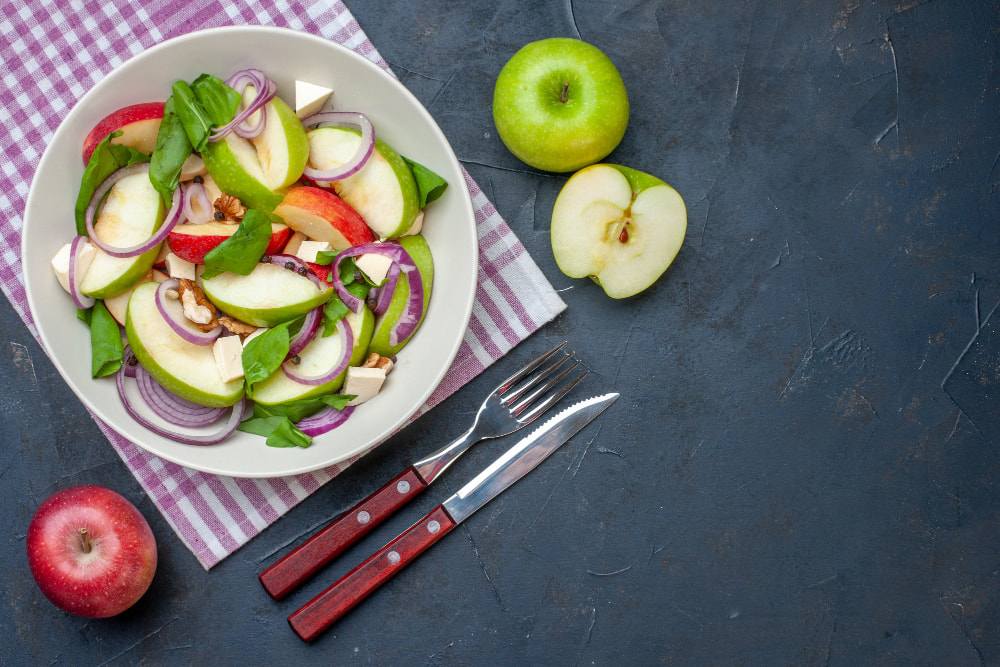
In traditional food practices, fruits were often eaten seasonally and in moderation. Apples were commonly enjoyed as part of meals or between meals, not isolated as “health products.”
In a modern lifestyle, apples continue to be relevant because they align with:
- Simple food choices
- Balanced routines
- Natural eating patterns
This makes apples suitable for people who prefer a wellness-oriented lifestyle rather than strict dietary rules.
Best Ways to Include Apples in a Daily Diet
Apples can be included in daily meals without effort or complication. The key is to keep consumption simple and mindful.
Eat Them Whole
Eating whole apples with the skin allows you to enjoy their natural texture and fiber content.
Include with Meals
Some people prefer apples as part of breakfast or alongside light meals to complement other foods.
Light Preparations
Apples can be sliced into salads or lightly cooked depending on individual comfort and preference.
Seasonal Preference
Choosing fresh, seasonal apples often improves taste and overall satisfaction.
Apples and Mindful Eating Practices
Mindful eating involves paying attention to hunger, taste, and satisfaction rather than eating out of habit or stress. Apples naturally support this approach because they require chewing and conscious eating.
Taking time to eat an apple slowly may help:
- Improve awareness of portion size
- Encourage better digestion habits
- Create a calmer eating experience
These small practices align well with a wellness-focused lifestyle.
Also read: Tulsi Tea Benefits: A Traditional Herbal Drink for Daily Wellness
Who May Need to Be Mindful When Eating Apples
While apples are generally well tolerated, individual comfort should always be considered-especially for those with sensitive digestion or who notice heaviness after eating raw fruit.
Some people may prefer:
- Smaller portions
- Cooked apples instead of raw
- Avoiding apples late in the evening
Listening to your body’s response is an important part of gentle wellness.
Apples as Part of a Balanced Lifestyle
Wellness does not depend on one food alone. Apples work best when included alongside a variety of fruits, vegetables, grains, and wholesome meals.
A balanced lifestyle focuses on:
- Consistency rather than perfection
- Variety rather than restriction
- Simplicity rather than trends
Apples naturally fit into this approach due to their accessibility and ease of use.
Simple Lifestyle Tips for Enjoying Apples
- Choose fresh apples with firm texture
- Wash thoroughly before eating
- Eat slowly and mindfully
- Combine with other whole foods
- Avoid over-reliance on any single fruit
These habits support long-term wellness more effectively than short-term changes.
Conclusion
Apples remain one of the most familiar and widely enjoyed fruits, not because they promise instant results, but because they fit effortlessly into daily life. When included regularly and mindfully, apples can support gentle wellness and balanced eating habits.
Rather than focusing on claims or trends, appreciating apples for their simplicity aligns well with a calm, sustainable wellness lifestyle. Small choices, practiced consistently, often make the biggest difference—and apples are a natural part of that rhythm.
Disclaimer: This article is for informational and educational purposes only. It is based on traditional practices and general wellness knowledge. It is not intended to diagnose, treat, cure, or prevent any disease. Please consult a qualified professional before making any health-related changes.