
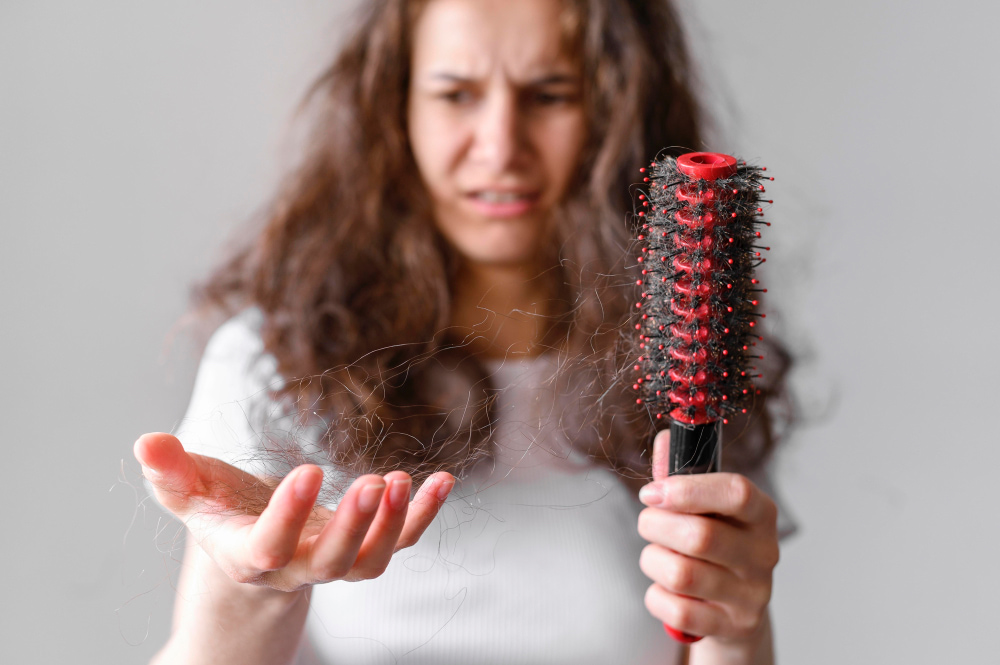
Hair fall is one of the most common problems today—and it doesn’t matter whether you’re a man or a woman. Sometimes hair fall starts slowly (a few strands on the pillow), and sometimes it feels sudden (a heavy hair fall during hair wash). Either way, the worry is real because hair is not just about looks—it’s confidence, personality, and overall self-care.
The truth is, hair fall usually happens due to a combination of reasons like stress, poor sleep, weak diet, scalp issues, and wrong hair care habits. And the good news? In many cases, you can control it naturally by fixing the root cause and following a simple home care routine.
In this Ayusenz guide, you’ll learn the main hair fall reasons, a daily-friendly home care routine, safe home remedies, and practical hair care tips to improve hair strength and hair quality over time.
Is Hair Fall Normal? (Hair Fall vs Hair Breakage)
Before you panic, understand this: losing some hair daily is normal. Most people can lose around 50–100 hair strands per day. If you wash your hair after 2–3 days, the hair that would normally fall daily gets collected and looks like “too much hair fall” in one wash.
However, if your hair fall is heavy every day for weeks, your hair parting is widening, or your hair volume is clearly reducing, then it’s time to take action.
Also, many people confuse hair fall with hair breakage:
- Hair fall from roots: You may notice a tiny white bulb at the end
(often linked to stress, hormones, deficiency, scalp problems) - Hair breakage: No bulb, hair looks shorter and uneven
(often linked to dryness, heat styling, rough combing, chemical damage)
Knowing the difference helps you choose the right solution.
Hair fall reasons are different for every person, so identifying the cause is the first step to control shedding.
Hair Fall Reasons: Why Your Hair Is Falling More Than Usual
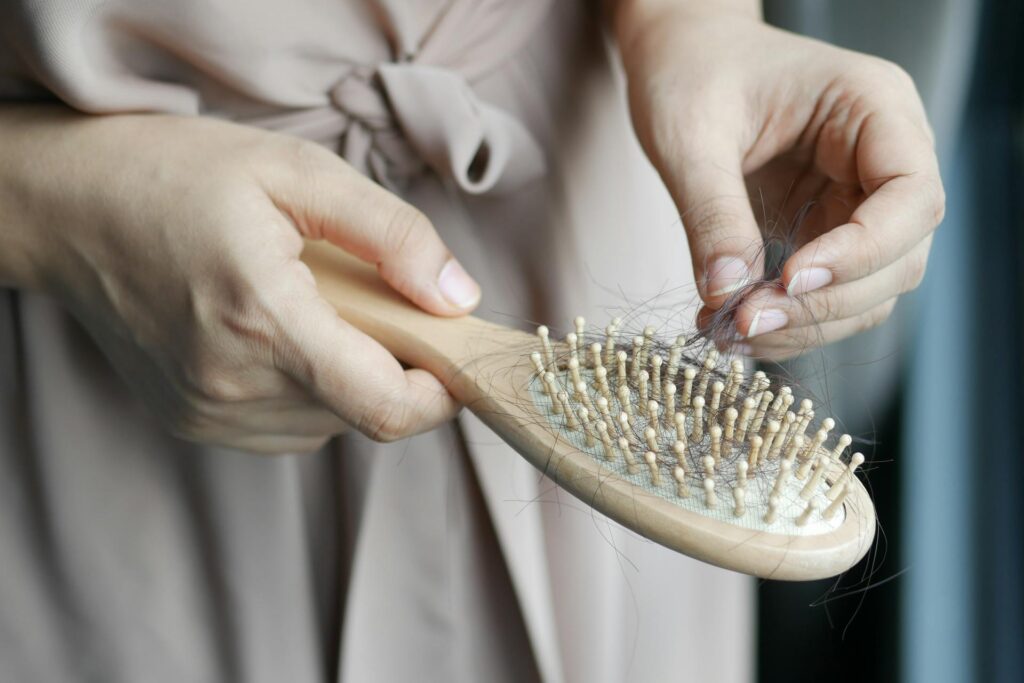
Hair fall is rarely caused by just one issue. Most of the time, it’s a mix of lifestyle + scalp + nutrition factors.
1) Stress, Anxiety & Poor Sleep
Stress increases cortisol levels and can disturb the natural hair growth cycle. Poor sleep reduces recovery and makes hair roots weaker over time. This is why many people notice hair fall during exam time, work pressure, or emotional stress.
Also read: Ashwagandha Benefits
2) Weak Diet & Nutrient Deficiency
Hair needs internal support to grow strong. When your diet lacks nutrients, hair becomes thin, weak, and more likely to shed. Common deficiencies linked to hair fall include:
- Iron deficiency (low hemoglobin)
- Vitamin D deficiency
- Low protein intake
- Low zinc and omega-3 intake
3) Hormonal Imbalance (Thyroid, PCOS, Postpartum)
Hormonal imbalance is a major reason for hair fall in women. Thyroid issues can slow hair growth and increase shedding. PCOS can lead to thinning, especially around the crown or front hairline. Post-pregnancy hair fall is also common due to hormonal changes.
If your hair fall is happening with fatigue, mood changes, or sudden weight changes, consider checking hormones.
For many people, hair fall reasons are linked to hormonal changes and nutritional deficiencies.
4) Dandruff, Itching & Scalp Inflammation
A healthy scalp is the base of healthy hair. Dandruff, itching, and scalp infections can weaken hair follicles and increase shedding. Constant scratching also damages roots and increases hair fall.
5) Hard Water + Product Build-up
Hard water makes hair rough, dry, and dull. Over time, mineral deposits and product buildup can block the scalp and affect hair quality. This is common when you use many styling products but don’t cleanse properly.
6) Heat Styling, Chemicals & Rough Hair Handling
Frequent straightening, blow-drying, hair coloring, bleaching, or keratin treatments can damage hair shafts and cause breakage. Even simple habits like aggressive combing and tight hairstyles can slowly pull and weaken hair roots.
These hair fall reasons are common in both men and women, especially with stress and poor diet.
Also read: Jeera Water Benefits
Home Care Routine for Hair Fall (Simple + Effective)
If you want real improvement, your routine should focus on three things:
- Scalp nourishment
- Damage control (less breakage)
- Consistency
Below is a realistic routine you can follow at home.
Step 1: Scalp Oiling (2–3 Times a Week)

Oiling supports scalp nourishment and improves circulation when done properly. It also reduces dryness and makes hair softer.
Best oils for hair fall and strength:
- Coconut oil (nourishment + softness)
- Almond oil (vitamin E support)
- Castor oil (mix with coconut oil for thickness support)
- Amla oil (strength + shine)
- Bhringraj oil (traditional Ayurvedic scalp support)
How to oil correctly (Ayusenz method):
Warm the oil slightly, apply on scalp with fingertips, and massage gently for 5–8 minutes. Keep oiling light—not heavy. Leave it for 1–2 hours before wash (or overnight if it suits you).
Step 2: Hair Wash Routine (2–3 Times a Week)
Washing too often can make hair dry, but washing too little can cause buildup and dandruff. The right balance depends on your scalp type.
Simple rule:
- Oily scalp: 3 washes/week
- Dry scalp: 2 washes/week
Hair wash tips to reduce hair fall:
- Use normal or lukewarm water (avoid hot water)
- Shampoo only the scalp (foam will clean the length)
- Avoid scratching with nails
- Don’t use too much shampoo
A gentle wash protects your scalp barrier and reduces breakage.
Step 3: Conditioner (Every Wash is a Must)
Conditioner does not cause hair fall. In fact, it reduces friction and breakage by smoothing the hair cuticle.
Apply conditioner only on mid-length and ends, leave for 2–3 minutes, and rinse well. This small step can make hair noticeably softer and easier to manage.
Step 4: Weekly Hair Mask (Once a Week)
A weekly hair mask improves hair texture and supports stronger hair quality.
Home hair mask:
Curd + Aloe Vera + Coconut Oil
- 2 tbsp curd
- 2 tbsp aloe vera gel
- 1 tbsp coconut oil
Apply for 25–30 minutes and wash with a mild shampoo. This mask helps with dryness, frizz, and weak hair texture.
Safe Home Remedies for Hair Fall (Use Smartly)
Home remedies are supportive, but they should be used in a controlled way. Doing too many remedies together can irritate your scalp.
Aloe Vera Gel (Best for calm scalp)
Aloe vera supports scalp comfort, reduces dryness, and helps itching. Apply aloe gel for 30 minutes before washing.
Fenugreek (Methi) Paste (For strength + smoothness)
Soak methi seeds overnight, grind into paste, apply for 30 minutes, then wash.
Onion Juice (Optional, not for sensitive scalp)
Onion juice is popular but can irritate sensitive scalps. If you try it, use it only once a week and wash properly after 20–30 minutes. Avoid if you have cuts, eczema, or burning sensation.
Daily Hair Care Tips to Improve Hair Strength & Quality
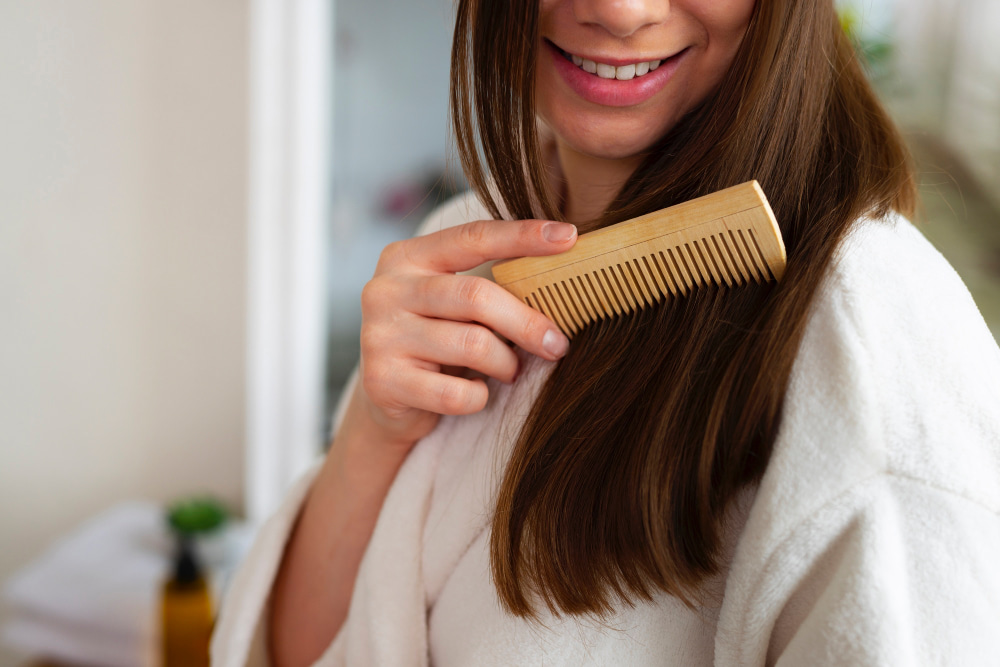
Your daily habits decide whether hair improves or gets worse. These are the most effective changes:
Gentle combing rules
- Use a wide-tooth comb
- Don’t comb wet hair aggressively
- Start detangling from ends, then move upward
Reduce hair breakage
- Avoid tight ponytails and buns daily
- Use a soft cotton t-shirt or microfiber towel
- Don’t rub hair harshly after wash
Protect hair from damage
- Reduce heat styling (keep it minimal)
- Cover hair in harsh sun and dust
- Trim split ends every 6–8 weeks
These habits improve hair quality without spending extra money.
What to Eat for Stronger Hair (Simple Hair Nutrition)

Hair care is not only external. Your hair needs nutrition from inside.
Include these foods for better hair strength:
- Protein: eggs, paneer, dal, tofu, sprouts
- Iron: spinach, beetroot, dates, jaggery
- Omega-3: walnuts, flax seeds, chia seeds
- Vitamin C: amla, lemon, oranges (helps iron absorption)
Ayusenz tip: Add 1 tablespoon roasted flaxseed powder in curd or smoothie daily.
In many cases, hair fall reasons are connected to low protein, iron, or vitamin D levels.
Routine Summary Box (Quick & Easy)
If you want a simple plan to follow:
Weekly Hair Routine for Hair Fall Control
- Oil massage: 2–3 times/week
- Hair wash: 2–3 times/week
- Conditioner: every wash
- Hair mask: 1 time/week
- Aloe/methi/onion remedy: 1 time/week (choose only one)
Consistency for 6–8 weeks = real improvement.
How Long Does It Take to See Results?
Hair improvement takes time because hair growth cycles are slow.
- Reduced hair fall: 2–4 weeks
- Better texture and strength: 4–8 weeks
- Visible thickness improvement: 8–12 weeks
Don’t change your routine every week. Stick to one plan and stay patient.
If you identify your hair fall reasons early, you can reduce hair fall with consistent home care.
When to Consult a Doctor
Home care works well in many cases, but consult a dermatologist if you notice:
- Patchy bald spots
- Scalp pain, redness, or pus
- Severe dandruff that doesn’t improve
- Hair fall with fatigue and weakness
- Hair fall lasting more than 2–3 months
Trusted source: NIH / MedlinePlus – Hair Loss
FAQs
1) What is the main reason for hair fall?
The most common reasons include stress, poor sleep, nutrient deficiency, hormonal imbalance, dandruff, and wrong hair care habits.
2) How many times should I oil my hair in a week?
For most people, oiling 2–3 times a week is enough. Heavy oiling daily is not necessary.
3) Can dandruff cause hair fall?
Yes. Dandruff and scalp inflammation can weaken roots and increase shedding, especially if you scratch the scalp often.
4) Does conditioner increase hair fall?
No. Conditioner reduces breakage by improving smoothness. Just avoid applying it on the scalp.
5) How to stop hair fall naturally at home?
Follow a routine with scalp oiling, gentle washing, weekly hair masks, balanced diet, and stress control for at least 6–8 weeks.
Final Thoughts
Hair fall is common, but strong and healthy hair is possible when you treat it like long-term self-care. Focus on scalp health, gentle hair handling, simple home remedies, and better nutrition. Avoid harsh chemicals and over-styling, and give your hair time to recover naturally.
Disclaimer: This article is for informational and educational purposes only. It is based on traditional practices and general wellness knowledge. It is not intended to diagnose, treat, cure, or prevent any disease. Please consult a qualified professional before making any health-related changes.