
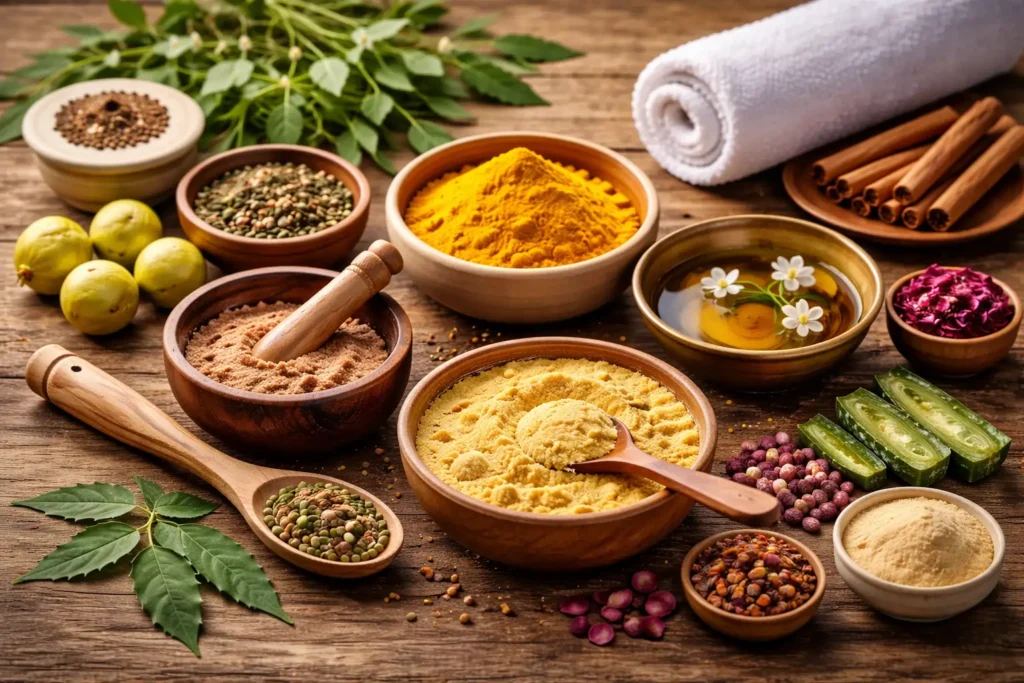
In the modern world of instant beauty solutions and chemical-based skincare, glowing skin is often marketed as something that can be achieved overnight. Serums promise radiance in seven days. Creams claim to reverse aging in weeks. Yet beneath the glossy advertisements lies a deeper truth: lasting skin health cannot be manufactured in a laboratory alone.
Ayurveda, the ancient Indian system of holistic medicine, approaches beauty differently. It does not treat glowing skin as a cosmetic goal. Instead, it considers radiance a natural byproduct of internal balance, proper digestion, emotional stability, and mindful living.
Ayurvedic skincare for glowing skin is not merely about applying herbal pastes. It is a comprehensive lifestyle philosophy — one that aligns body, mind, and environment to restore natural luminosity from within.
This article explores six foundational Ayurvedic beauty rituals that have been practiced for centuries and are increasingly validated by modern wellness science.
The Ayurvedic Perspective on Skin Health
According to Ayurveda, the skin (known as Twak) reflects the health of deeper tissues and the digestive fire, or Agni. When digestion is strong and toxins (Ama) are efficiently eliminated, the skin remains clear and vibrant. When digestion weakens, metabolic waste accumulates, often manifesting as acne, dullness, pigmentation, or premature wrinkles.
Ayurveda also recognizes three constitutional energies — Vata, Pitta, and Kapha — collectively known as the Doshas. Each dosha influences skin characteristics in distinct ways.
Vata-dominant skin tends to be dry, thin, and prone to early wrinkles.
Pitta skin is more sensitive, often reactive, and susceptible to redness or breakouts.
Kapha skin is typically oily, thicker, and may struggle with congestion or enlarged pores.
True Ayurvedic skincare for glowing skin begins by understanding your unique constitution and working with it rather than against it.
1) Personalized Skincare Based on Your Dosha
Modern skincare frequently adopts a one-size-fits-all approach. Ayurveda rejects this idea entirely. What nourishes one skin type may disturb another.
For Vata skin, hydration and nourishment are essential. Natural oils such as sesame or almond oil deeply replenish moisture while strengthening the skin barrier. Warm oil massage helps calm dryness and restore elasticity.
Pitta skin requires cooling and soothing care. Ingredients such as sandalwood, aloe vera, and rose water help reduce inflammation and balance excess heat. Harsh exfoliation or overly active products often worsen sensitivity.
Kapha skin benefits from stimulation and detoxification. Herbs like neem, turmeric, and fuller’s earth (multani mitti) help absorb excess oil and prevent congestion while maintaining clarity.
By aligning products and rituals with your dosha, Ayurvedic skincare for glowing skin becomes personalized and sustainable rather than reactive.
Also read: Simple Mindfulness Habits for a Calm and Balanced Daily Lifestyle
2) Abhyanga — The Transformative Oil Massage
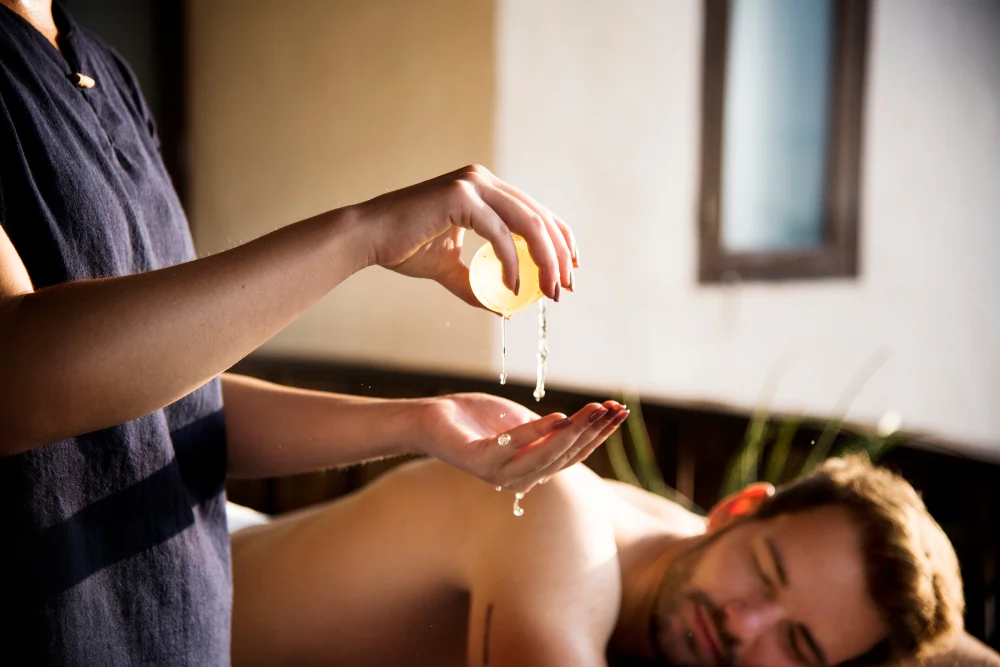
One of the most profound yet underestimated beauty practices in Ayurveda is Abhyanga, the daily application of warm herbal oil to the body.
Beyond its moisturizing benefits, Abhyanga improves circulation, enhances lymphatic drainage, and calms the nervous system. When stress levels decrease, cortisol production stabilizes — which directly impacts acne, inflammation, and premature aging.
Regular oil massage also strengthens the skin’s protective barrier, preventing environmental damage. Over time, the complexion appears softer, smoother, and more luminous.
In Ayurvedic skincare for glowing skin, oil is not considered greasy or pore-clogging when chosen correctly. Instead, it is seen as nourishment — a vital component of maintaining tissue integrity and youthful radiance.
3) Ubtan — The Herbal Renaissance of Cleansing
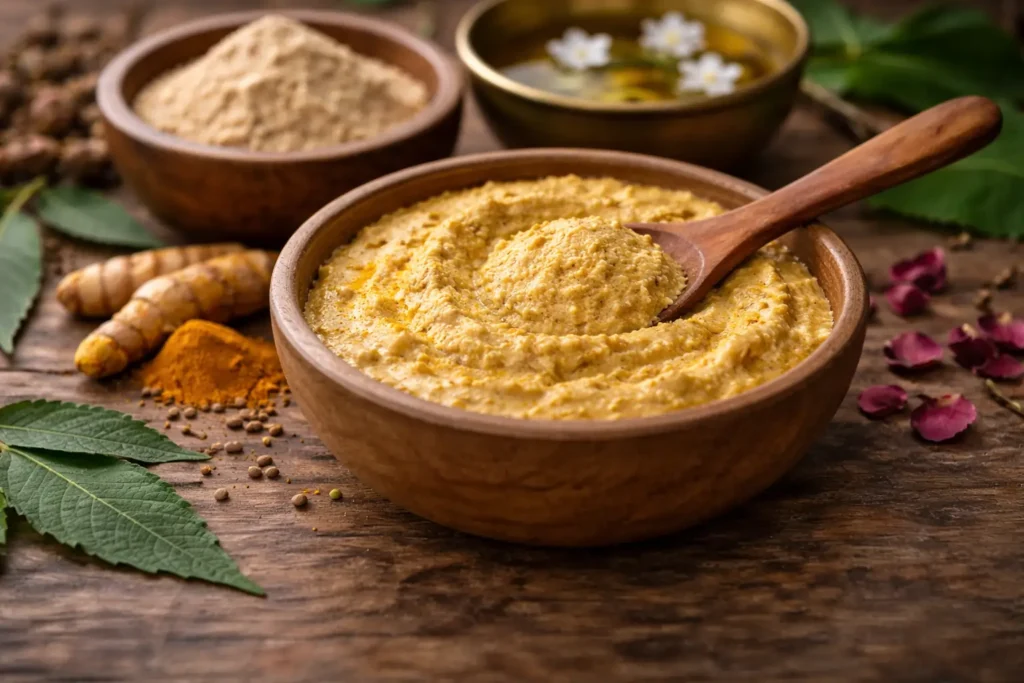
Long before commercial scrubs existed, Indian households relied on Ubtan — a blend of gram flour, turmeric, and botanical ingredients — to cleanse and brighten the skin.
Unlike synthetic exfoliants that may strip natural oils, Ubtan gently removes dead cells while preserving the skin’s microbiome. Turmeric provides anti-inflammatory and antimicrobial benefits. Gram flour acts as a mild exfoliant and natural cleanser.
The ritual aspect is equally important. Applying Ubtan is not rushed. It is performed mindfully, often before bathing, encouraging connection between self-care and daily routine.
Consistent use of herbal cleansing methods reduces dependency on chemical surfactants and supports long-term clarity, making it a cornerstone of Ayurvedic skincare for glowing skin.
4) Herbal Steam and Detoxification
Facial steaming with medicinal herbs such as neem or tulsi has long been used to open pores and eliminate impurities. From an Ayurvedic viewpoint, steam enhances circulation and softens accumulated toxins, allowing them to be gently released.
Modern dermatology recognizes the value of improved microcirculation in maintaining youthful skin. When blood flow increases, oxygen and nutrients reach skin cells more efficiently.
Herbal steam also prepares the skin to absorb nourishing treatments more effectively. When practiced moderately and followed by cooling hydration, it enhances texture and glow without disrupting balance.
Incorporating detox rituals strengthens the foundation of Ayurvedic skincare for glowing skin by addressing congestion at its root.
5) Nourishment Through Diet and Digestion
Perhaps the most powerful principle in Ayurveda is that beauty begins in the gut.
Strong digestion ensures proper assimilation of nutrients, while weak digestion produces toxins that impair tissue health. Many chronic skin concerns trace back to digestive imbalance.
Foods that promote radiant skin include seasonal fruits, leafy vegetables, soaked nuts, clarified butter (ghee), and adequate hydration. These nourish tissues and support collagen integrity naturally.
Conversely, excessive processed food, refined sugar, fried meals, and irregular eating patterns disturb internal balance, often triggering inflammation that appears externally as acne or dullness.
Ayurvedic skincare for glowing skin therefore extends beyond topical care. It is inseparable from mindful eating and digestive strength.
Also read: Saunf Water Benefits for Digestion
6) Sleep, Stress Management, and Mental Clarity

Glowing skin is deeply connected to emotional equilibrium.
Chronic stress elevates inflammatory markers and disrupts hormonal harmony, often resulting in breakouts, pigmentation, and accelerated aging. Ayurveda emphasizes daily practices such as meditation, breathwork (pranayama), and adequate sleep to stabilize the nervous system.
During sleep, the body undergoes repair and regeneration. Skin cells renew themselves, collagen production increases, and oxidative stress decreases. Insufficient rest compromises these processes.
Simple daily rituals — limiting screen exposure at night, maintaining consistent sleep cycles, and practicing calming breathing techniques — significantly enhance skin vitality over time.
In holistic Ayurvedic skincare for glowing skin, mental clarity is considered as important as external application.
Source: Healthline –Ayurvedic Skin Care for Your Skin Type: Ingredients, Treatments, and More
Seasonal Adaptation: The Forgotten Element of Radiance
Ayurveda teaches that skin care must change with the seasons.
Summer demands cooling herbs and lighter oils to counteract heat accumulation. Winter requires deeper nourishment to combat dryness and environmental harshness. The monsoon season emphasizes detoxification to prevent stagnation and congestion.
Ignoring seasonal shifts often leads to imbalance. Adapting skincare and diet accordingly ensures that the skin remains resilient throughout the year.
The Science Behind Ancient Rituals
Modern research increasingly supports many Ayurvedic principles. Turmeric’s anti-inflammatory properties, neem’s antimicrobial benefits, and oil massage’s impact on stress hormones are now documented in scientific literature.
While Ayurveda predates laboratory validation, its longevity reflects empirical wisdom refined through generations.
When ancient knowledge aligns with modern understanding, Ayurvedic skincare for glowing skin stands not as tradition alone — but as integrative wellness.
A Sustainable Path to Radiance

In a culture obsessed with instant results, Ayurveda offers patience. It does not promise overnight transformation. Instead, it cultivates steady improvement rooted in internal harmony.
Glowing skin in Ayurveda is not painted on. It is earned through consistency, nourishment, balance, and self-awareness.
By integrating personalized care, herbal nourishment, digestive health, stress reduction, and seasonal adaptation, you create an ecosystem within your body that naturally supports luminosity.
That is the essence of Ayurvedic skincare for glowing skin.
Not a trend.
Not a quick fix.
But a timeless commitment to holistic well-being.
Also read: Ayurvedic Daily Routine (Dinacharya) for Beginners
Conclusion
Ayurvedic skincare for glowing skin is more than a routine — it is a gentle reminder to slow down, listen to your body, and care for yourself with patience and respect. When you choose natural balance over quick fixes, you begin to see beauty as a reflection of inner harmony, not just outward appearance. With consistency and mindfulness, this ancient wisdom can help you rediscover your natural glow and confidence, every single day.
Frequently Asked Questions (FAQs)
1. What is Ayurvedic skincare for glowing skin?
Ayurvedic skincare for glowing skin is a holistic approach that uses natural herbs, oils, and lifestyle practices to restore internal balance and enhance skin health naturally. It focuses on balancing the doshas — Vata, Pitta, and Kapha — to promote long-lasting radiance rather than temporary cosmetic results.
2. Which Ayurvedic ingredients are best for glowing skin?
Some of the most effective Ayurvedic ingredients for glowing skin include turmeric, neem, sandalwood, aloe vera, rose water, and gram flour (besan). These herbs help cleanse, nourish, soothe inflammation, and support natural skin renewal.
3. How does Ayurveda improve skin naturally?
Ayurveda improves skin by addressing the root cause of imbalance. It strengthens digestion (Agni), removes toxins (Ama), improves circulation, and supports emotional well-being — all of which contribute to healthy, glowing skin.
4. Can Ayurvedic skincare suit all skin types?
Yes, Ayurvedic skincare is personalized based on your dosha. For example, Vata skin benefits from nourishing oils, Pitta skin requires cooling herbs, and Kapha skin responds well to detoxifying and exfoliating treatments.
5. How often should I use ubtan for glowing skin?
Ubtan can be used 2–3 times per week depending on your skin type. It gently exfoliates, removes impurities, and enhances natural glow without harsh chemicals.
6. Is Ayurvedic skincare better than chemical skincare?
Ayurvedic skincare focuses on long-term balance and overall wellness, while chemical skincare often targets short-term cosmetic results. Ayurveda aims to nourish the skin from within for sustainable radiance.
7. Can Ayurveda help with dull skin and pigmentation?
Yes, Ayurvedic herbs like turmeric, sandalwood, and aloe vera are traditionally used to brighten complexion and reduce pigmentation by calming inflammation and supporting skin regeneration.
Disclaimer: This article is for informational and educational purposes only. It is based on traditional practices and general wellness knowledge. It is not intended to diagnose, treat, cure, or prevent any disease. Please consult a qualified professional before making any health-related changes.