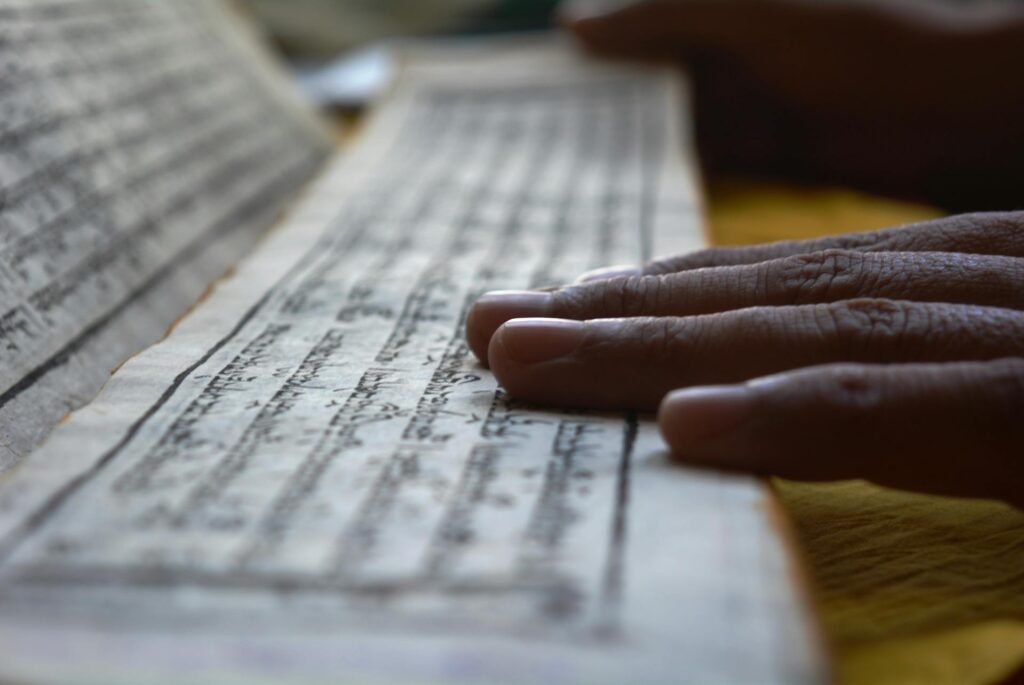

If you’ve ever felt like your energy is low, digestion is not stable, sleep is disturbed, or stress keeps building up quietly in the background—then you’re not alone. Most of us live in a routine that looks “normal” on the outside, but inside our body and mind feel unbalanced.
Ayurveda offers a simple and powerful solution: Dinacharya, also known as the Ayurvedic daily routine. It is not a strict rulebook, and it’s definitely not something you need to follow perfectly from day one. Dinacharya is more like a gentle lifestyle rhythm that supports your digestion, mental calmness, immunity, and overall wellness—one day at a time.
In this guide, you’ll learn a simple Ayurvedic daily routine for beginners, from morning to night, in a way that feels practical for modern life.
What Is Dinacharya in Ayurveda?
Dinacharya is a Sanskrit term where “Dina” means day and “Charya” means routine. So Dinacharya literally means a daily routine that supports health and balance.
Ayurveda believes your body follows natural cycles—your digestion, energy, focus, and sleep all work best when your habits match nature’s timing. When your daily routine becomes irregular (late nights, random meals, too much screen time, no movement), the body slowly starts showing signs of imbalance.
The good news is: you don’t need expensive supplements or complicated plans to start improving. Even small changes in your daily routine can create noticeable results.
Why Dinacharya Is Perfect for Beginners
Many people think Ayurveda is complicated because of words like dosha, agni, ama, and prakriti. But Dinacharya is actually the easiest entry point because it focuses on basics that most people need.
A consistent Ayurvedic daily routine may help support:
- better digestion and appetite
- stable energy throughout the day
- improved sleep quality
- reduced stress and overthinking
- healthier skin and hair over time
- stronger daily immunity and mood balance
Most importantly, it helps you build a lifestyle that feels sustainable, not forced.
For beginners, following an Ayurvedic daily routine helps create balance in digestion, sleep, and mental health.
A Simple Ayurvedic Daily Routine for Beginners (Morning to Night)
Let’s break the routine into morning, afternoon, and evening. You can follow this as a complete routine, or you can start with a few steps and build slowly.
Morning Routine: Start the Day with Freshness and Calm

1) Wake Up at a Consistent Time (Try Before 7 AM)
Ayurveda recommends waking up early, ideally during the quiet hours of the morning. But as a beginner, you don’t need to force a 5 AM lifestyle overnight.
A realistic and powerful goal is: wake up before 7 AM consistently.
This one habit alone can improve your day because it gives your body a stable rhythm. Many people notice better digestion and improved mood when their sleep-wake timing becomes regular.
Beginner-friendly mindset: Consistency matters more than perfection.
Also read: Simple Mindfulness Habits for a Calm and Balanced Daily Lifestyle
2) Drink Warm Water (A Simple Ayurvedic Habit That Works)
Right after waking up, drink a glass of warm water. Ayurveda generally prefers warm water in the morning because it feels gentle on digestion.
This habit is simple, but it supports a clean start and helps your body feel lighter. It can also support regular bowel movement over time.
If you want, you can keep it plain. You don’t need to add anything fancy.
3) Clean the Tongue (Tongue Scraping)
In Ayurveda, the tongue is often seen as a mirror of digestion. Many people wake up with a coating on the tongue, which can make the mouth feel heavy or the taste feel dull.
Using a tongue scraper gently in the morning helps you feel fresh and clean. It’s a small step, but it improves your morning hygiene and can make you feel more ready for breakfast.
4) Oil Pulling (Optional, Not Compulsory)
Oil pulling is a traditional practice where you swish oil in your mouth for a few minutes. Many people enjoy it for oral freshness.
If you want to try it, use sesame oil or coconut oil and swish gently for 2–5 minutes, then spit it out.
But if it feels like “too much work,” skip it. Dinacharya should feel supportive, not stressful.
5) Gentle Movement (10–20 Minutes Is Enough)
You don’t need intense exercise every day to follow Ayurveda. In fact, for beginners, a short daily movement routine is more effective than doing heavy workouts once and quitting.
Choose one:
- a light walk
- stretching
- simple yoga
- Surya Namaskar (if comfortable)
This helps your circulation, mood, digestion, and overall energy. It also prepares your body for the day without exhausting you.
6) Pranayama or Calm Breathing (Just 3–5 Minutes)

Modern life keeps the nervous system constantly active. One of the best Ayurvedic-friendly habits is breathing practice.
Even 3–5 minutes of slow breathing can calm the mind and reduce stress buildup. It’s also a great habit if you feel anxious, distracted, or mentally tired.
Start small. The goal is to feel better, not to perform perfectly.
7) Abhyanga (Oil Massage) – 2 to 3 Times a Week
Abhyanga means self oil massage. It is one of the most loved Ayurvedic routines because it feels grounding and nourishing.
You can apply a little warm oil on your arms, legs, and joints, and if you want, also massage the scalp. Many people feel relaxed and refreshed after this.
- Sesame oil is commonly used
- Coconut oil is preferred by some people who feel more body heat
You don’t need 30 minutes. Even 5–10 minutes is enough to get the benefits of the habit.
8) Bath and Get Ready for the Day
After your movement and morning hygiene, take a bath and prepare for the day. Ayurveda usually prefers lukewarm water for the body and suggests avoiding very hot water on hair frequently.
This step is simple, but it completes the “reset” feeling of the morning.
9) Eat a Warm, Simple Breakfast
Breakfast doesn’t need to be heavy, but it should feel satisfying and supportive. Ayurveda generally prefers warm and freshly prepared meals over cold foods early in the day.
Some beginner-friendly breakfast ideas include warm poha, upma, light oats, or moong dal chilla.
The best rule is: eat when you feel real hunger, and don’t eat in a rushed, stressful way.
Afternoon Routine: Support Digestion and Steady Energy
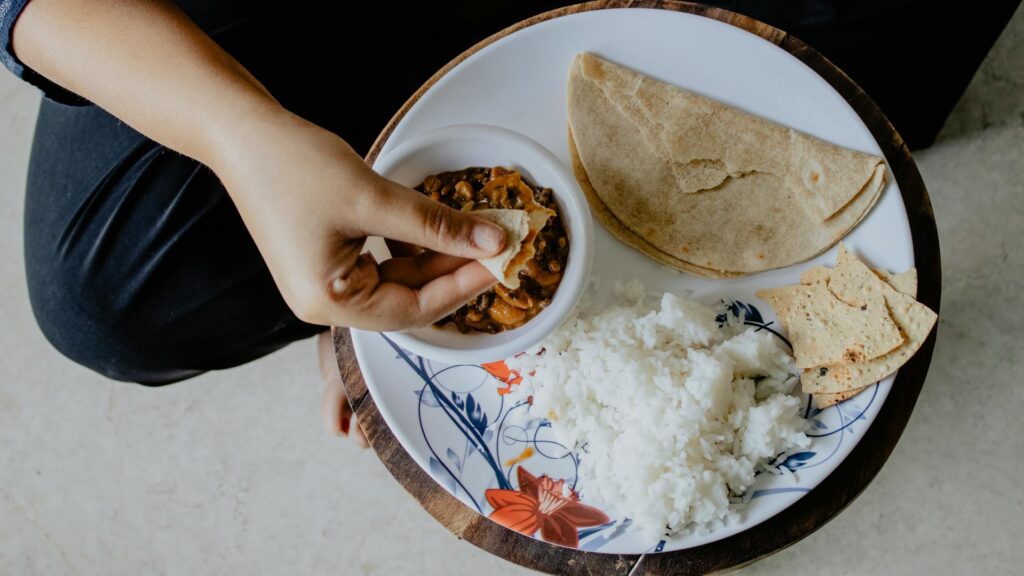
10) Make Lunch Your Biggest Meal (12 PM to 2 PM)
Ayurveda believes digestion is strongest during the middle of the day. That’s why lunch is often considered the best time for your main meal.
A balanced lunch doesn’t have to be complicated. A simple Indian plate like roti/rice, dal, and sabzi works well for many people.
Try to eat calmly, without scrolling your phone, because mindful eating supports digestion.
11) Take a Short Walk After Lunch
After lunch, a small 5–10 minute walk can be surprisingly effective. It helps the body settle the meal and prevents heaviness.
Avoid sleeping immediately after lunch, especially if you often feel bloated or lazy later in the day.
Evening Routine: Reduce Stress and Improve Sleep

12) Keep Dinner Light and Early (Try Before 9 PM)
Dinner should feel lighter than lunch. Late-night heavy meals can disturb sleep and cause heaviness the next morning.
A simple dinner like khichdi, dal-rice, soup, or light sabzi-roti is a great choice for beginners.
Try to keep a gap of 2–3 hours between dinner and sleep. This is one of the easiest ways to improve sleep quality naturally.
13) Reduce Screen Time at Night (Modern Dinacharya Rule)
This is one of the most important “new age” habits that Ayurveda lovers follow today.
If you use your phone until the last minute before sleeping, your brain stays active, and sleep becomes lighter.
Even if you can’t do a full digital detox, try this small step:
No phone 30 minutes before bed.
Instead, you can:
- listen to calm music
- do light stretching
- read something simple
- sit quietly for a few minutes
This makes a big difference in mental calmness.
Also read: Ashwagandha Benefits: Uses, Safety & Side Effects
14) A Simple Bedtime Routine (10 Minutes)
Your body loves signals. A small bedtime routine tells your brain, “Now it’s time to rest.”
A beginner-friendly bedtime routine can be:
- wash your feet
- apply a little oil on soles
- do slow breathing
- dim the lights
This routine is easy, relaxing, and helps reduce restless thoughts at night.
15) Sleep on Time (Try Before 11 PM)
Ayurveda considers sleep one of the pillars of health. When sleep is late and irregular, cravings, mood issues, low energy, and poor digestion often increase.
Try to sleep before 11 PM most days. You don’t need to be perfect—just consistent.
Trusted Source: Mayo Clinic’s guide, sleep schedule
Dinacharya Checklist (Quick Summary)
Morning
- Wake up before 7 AM
- Warm water
- Tongue cleaning
- Light movement + breathing
- Warm breakfast
Afternoon
- Lunch as main meal
- Short walk after lunch
Evening
- Light dinner before 9 PM
- Reduce screen time
- Simple bedtime routine
- Sleep before 11 PM
Common Mistakes Beginners Should Avoid
Many people start Ayurveda with full excitement and then stop because they try too much at once. Avoid these common mistakes:
- trying to follow every step in one day
- skipping meals and calling it “detox”
- drinking cold water all day
- eating heavy dinner late at night
- being inconsistent and then quitting
Remember: Dinacharya works best when it becomes easy.
How to Start Dinacharya Without Feeling Overwhelmed
If you want the easiest plan, start with just these 3 habits for 7 days:
- Drink warm water in the morning
- Walk for 10 minutes daily
- Eat dinner before 9 PM
After one week, add tongue scraping and breathing. After two weeks, add oil massage 2 times a week.
This slow approach is how you build a routine that lasts.
FAQs
What is Dinacharya in Ayurveda?
Dinacharya is the Ayurvedic concept of a daily routine that aligns your body and mind with natural rhythms. It includes simple habits like waking up early, drinking warm water, eating on time, gentle exercise, and proper sleep to support long-term health and balance.
Is Dinacharya suitable for beginners?
Yes, Dinacharya is perfect for beginners. Ayurveda encourages starting slowly with a few easy habits and gradually building consistency, rather than following the entire routine perfectly from day one.
What is the best time to wake up according to Ayurveda?
Ayurveda recommends waking up before sunrise, ideally during the Brahma Muhurta (around 4:30–6:00 AM). This time supports mental clarity, digestion, and natural energy throughout the day.
Do I need to follow every step of Dinacharya daily?
No. Dinacharya is meant to be flexible. Even following 2–3 habits like warm water in the morning, regular meals, and early sleep can bring noticeable benefits over time.
How long does it take to see benefits from an Ayurvedic daily routine?
Most people notice small improvements in energy, digestion, and sleep within 1–2 weeks of regular practice. Long-term benefits develop gradually with consistency.
Can Dinacharya help with stress and mental calmness?
Yes. Practices like morning breathing exercises, mindful eating, and early sleep help calm the nervous system and support emotional balance naturally.
Is Dinacharya the same for everyone?
The basic structure of Dinacharya is similar for all, but Ayurveda suggests small adjustments based on individual body type (dosha), age, lifestyle, and season.
Can modern working people follow Dinacharya?
Yes. Dinacharya can be easily adapted to modern lifestyles by simplifying routines—such as short breathing practices, regular meal timing, and reducing late-night screen use.
Is Dinacharya safe to follow daily?
Yes, Dinacharya is a natural lifestyle routine, not a medical treatment. It is generally safe for daily practice when followed gently and mindfully.
Final Thoughts
Make Ayurveda a Lifestyle, Not a Task
Dinacharya is not about doing “more.” It’s about doing the right things at the right time—consistently.
Start with small habits. Give your body a stable rhythm. And over time, you’ll notice that wellness becomes simpler, lighter, and more natural.
Starting an Ayurvedic daily routine for beginners is one of the easiest ways to build long-term health naturally.
Disclaimer: This article is for informational and educational purposes only. It is based on traditional practices and general wellness knowledge. It is not intended to diagnose, treat, cure, or prevent any disease. Please consult a qualified professional before making any health-related changes.