
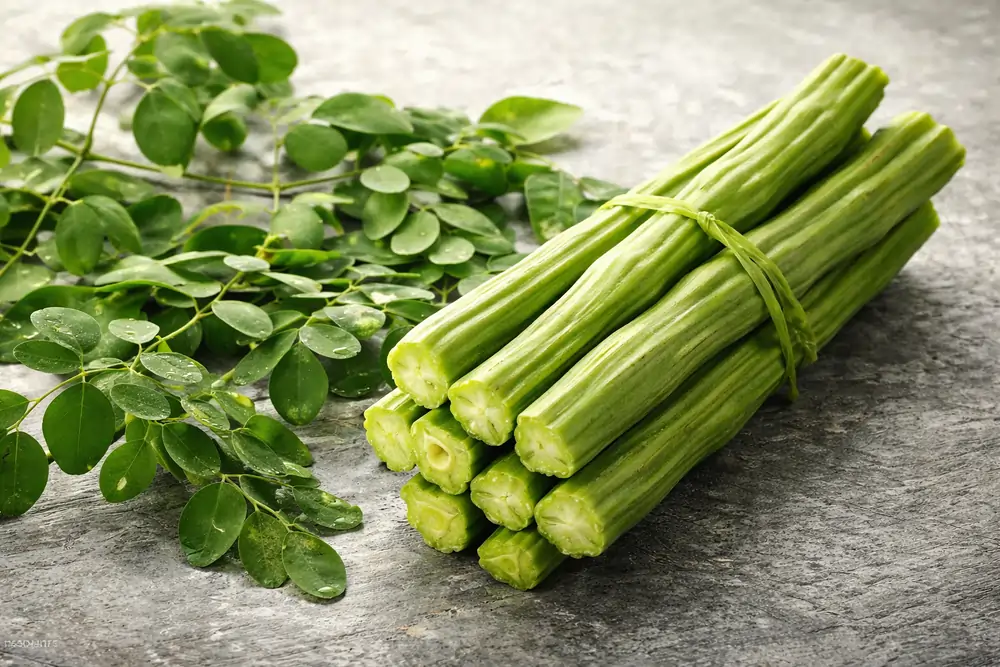
Moringa is often called the “Miracle Tree”, and for good reason. Known scientifically as Moringa oleifera, this plant has been used in Ayurvedic medicine for centuries because of its powerful nutritional and medicinal properties.
From improving digestion and boosting immunity to supporting heart health and glowing skin, the health benefits of moringa are impressive. Every part of the plant — including its leaves, seeds, pods, and roots — contains valuable nutrients that promote overall wellness.
Moringa benefits are widely recognized in Ayurveda and modern nutrition for improving overall health naturally.
Moringa leaves are packed with vitamins, minerals, antioxidants, and essential amino acids that help the body function properly. Because of its incredible nutrient profile, moringa is widely considered one of the most nutrient-dense plants in the world.
In this article, we will explore the top moringa benefits for health, its nutritional value, how to use it, and why it is considered an important superfood in Ayurveda.
Table of Contents
What Are the Health Benefits of Moringa?
Moringa is a nutrient-rich superfood that may help boost immunity, improve digestion, support heart health, regulate blood sugar levels, and promote healthy skin and hair. Because it contains powerful antioxidants and essential nutrients, moringa is widely used in Ayurveda for improving overall health and wellness.
What Is Moringa?

Moringa is a fast-growing tree native to India, Asia, and parts of Africa. It is commonly known by several names, including:
• Drumstick Tree
• Miracle Tree
• Horseradish Tree
• Shigru (in Ayurveda)
The plant is widely used in traditional medicine and cooking. In India, drumstick pods are commonly used in dishes like sambar, while the leaves are used in soups, curries, and herbal preparations.
Almost every part of the plant is beneficial:
Leaves: Rich in nutrients and used to make powder or tea
Seeds: Used to extract moringa oil
Pods: Used in traditional Indian cooking
Roots: Used in traditional herbal medicine
Because of its wide range of uses, moringa has gained popularity worldwide as a natural health supplement.
Nutritional Value of Moringa
One of the biggest reasons for the popularity of moringa is its impressive nutritional profile.
Moringa leaves contain a wide variety of essential nutrients, including:
• Vitamin A
• Vitamin C
• Vitamin E
• Calcium
• Iron
• Potassium
• Magnesium
• Protein
• Antioxidants
Research suggests that moringa contains significantly higher levels of certain nutrients compared to common foods:
• 7 times more vitamin C than oranges
• 4 times more calcium than milk
• 3 times more potassium than bananas
• High levels of plant-based protein
Because of this rich nutritional content, moringa is often used as a natural supplement to support overall health.
10 Powerful Moringa Benefits for Health

1. Rich in Antioxidants
One of the most important moringa health benefits is its high antioxidant content.
Antioxidants help protect the body from oxidative stress, which occurs when harmful molecules called free radicals damage cells. This damage can contribute to aging and many chronic diseases.
Moringa contains powerful antioxidants such as:
• Quercetin
• Chlorogenic acid
• Beta-carotene
• Vitamin C
• Polyphenols
These compounds help reduce inflammation and protect cells from damage, making moringa a powerful addition to a healthy diet.
These moringa benefits are supported by its rich antioxidant and nutrient content.
2. Boosts the Immune System
A strong immune system is essential for protecting the body from infections and illnesses.
Moringa leaves contain high levels of vitamin C, iron, and antioxidants, which help strengthen the immune system.
Regular consumption of moringa may help:
• Improve immune response
• Protect against infections
• Reduce inflammation
• Support overall health
In Ayurveda, moringa is traditionally used as a natural immunity booster.
3. Helps Regulate Blood Sugar Levels
Managing blood sugar levels is important for preventing and controlling diabetes.
Some studies suggest that moringa leaves contain plant compounds called isothiocyanates, which may help regulate blood sugar levels.
Potential benefits include:
• Improved insulin sensitivity
• Reduced blood glucose levels
• Better metabolic health
Because of these properties, moringa is sometimes used as a natural support for diabetes management.
However, people with diabetes should consult a healthcare professional before using herbal supplements.
Also read: Methi Water Benefits: Blood Sugar Control, and Better Health
4. Supports Heart Health
Heart disease remains one of the leading health concerns worldwide.
Moringa may help support cardiovascular health in several ways.
Research suggests that moringa may help:
• Lower bad cholesterol levels
• Reduce inflammation in blood vessels
• Improve blood circulation
• Support healthy blood pressure
The antioxidant quercetin found in moringa may also help regulate blood pressure and protect heart health.
5. Helps With Weight Management
Many people are turning to natural remedies for weight management, and moringa for weight loss has gained popularity.
Moringa leaves contain fiber and plant compounds that may support healthy metabolism.
Potential benefits include:
• Improved digestion
• Reduced fat accumulation
• Better metabolic function
• Increased satiety
The fiber content also helps you feel full for longer, which may reduce overeating.
6. Improves Digestive Health
Healthy digestion plays a crucial role in overall wellness.
Moringa leaves contain compounds that support digestive function and gut health.
Some moringa leaves benefits for digestion include:
• Relief from constipation
• Improved gut bacteria balance
• Support for liver detoxification
In Ayurveda, moringa is often used to stimulate digestion and cleanse the body.
Also read: Saunf Water Benefits for Digestion: Improves Gut Health Naturally
7. Promotes Healthy Skin
Moringa is rich in nutrients that support skin health and natural glow.
The plant contains high levels of:
• Vitamin A
• Vitamin C
• Vitamin E
• Antioxidants
These nutrients help protect the skin from environmental damage and premature aging.
Regular consumption of moringa may help:
• Improve skin texture
• Reduce signs of aging
• Promote a natural glow
Moringa oil is also widely used in natural skincare products.
8. Strengthens Hair and Promotes Growth
Moringa is also beneficial for hair health.
The plant contains nutrients that help nourish the scalp and strengthen hair follicles.
Key nutrients include:
• Zinc
• Iron
• Amino acids
• Vitamins
Some potential moringa benefits for hair include:
• Reduced hair fall
• Stronger hair roots
• Improved scalp health
• Healthier hair growth
Because of these benefits, moringa oil is often used in hair oils and treatments.
Also read: Hair Fall Reasons & Home Care Routine
9. Reduces Inflammation
Chronic inflammation is linked to many serious health conditions, including arthritis, heart disease, and metabolic disorders.
Moringa contains natural anti-inflammatory compounds such as:
• Flavonoids
• Polyphenols
• Isothiocyanates
These compounds help reduce inflammation in the body and support long-term health.
Regular consumption of moringa may help maintain a balanced inflammatory response.
10. Improves Energy and Reduces Fatigue
Unlike caffeine-based stimulants, moringa provides natural and sustained energy.
Because it contains essential vitamins, minerals, and plant compounds, moringa may help:
• Reduce fatigue
• Improve stamina
• Support metabolism
• Increase energy levels
Many people add moringa powder to smoothies or herbal drinks to improve daily energy levels.
Because of these incredible moringa benefits, this plant has gained popularity worldwide.
Source: Healthline- Science-Based Health Benefits of Moringa Oleifera
How to Use Moringa
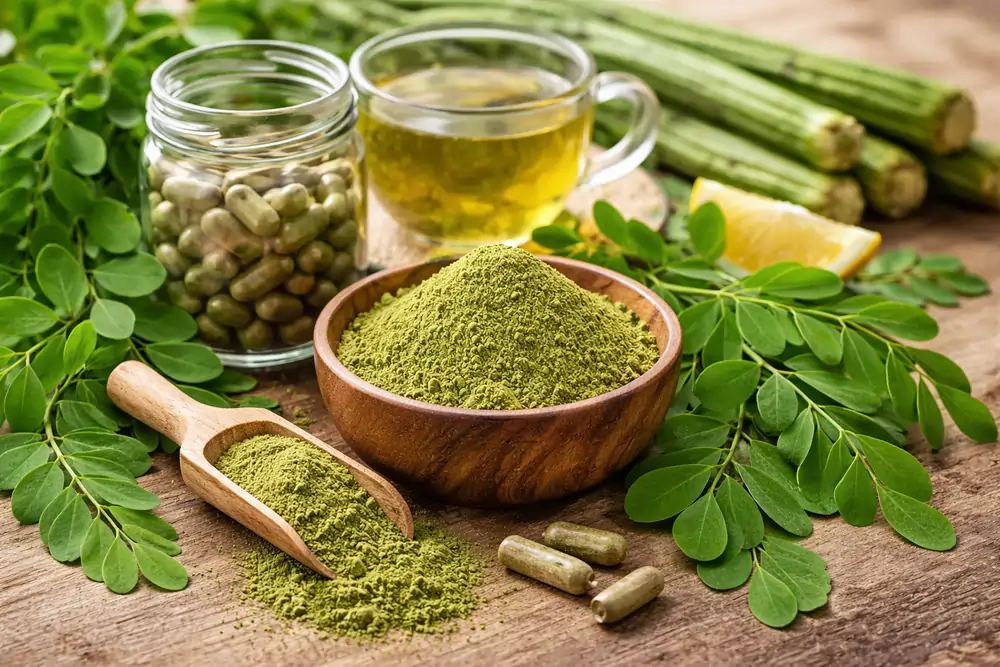
There are several ways to include moringa in your daily diet.
1. Fresh Moringa Leaves
Fresh leaves can be added to dishes such as:
• soups
• curries
• salads
• vegetable dishes
This is one of the most traditional ways of consuming moringa.
2. Moringa Powder
Moringa powder is made from dried moringa leaves.
It can be added to:
• smoothies
• juices
• yogurt
• herbal drinks
A typical recommendation is 1–2 teaspoons per day.
3. Moringa Tea
Moringa tea is a popular herbal drink.
To prepare moringa tea:
- Boil water
- Add dried moringa leaves
- Steep for 5–7 minutes
- Strain and drink
This tea is refreshing and rich in nutrients.
4. Moringa Capsules
For convenience, many people choose moringa supplements in capsule form.
These are commonly available in health stores and online.
Possible Side Effects of Moringa
Moringa is generally considered safe when consumed in moderate amounts.
However, excessive consumption may cause:
• stomach discomfort
• nausea
• digestive upset
Pregnant women should avoid consuming certain parts of the plant, especially the roots.
It is always recommended to consult a healthcare professional before starting herbal supplements.
Source: Medical News Today- Why is moringa good for you?
Moringa in Ayurveda
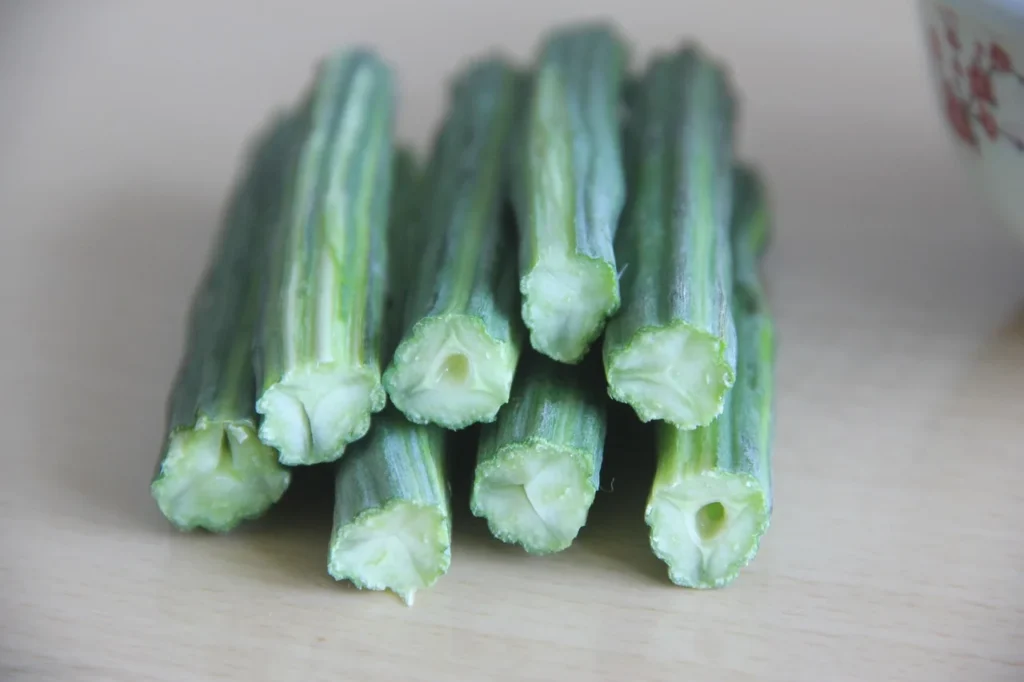
In Ayurveda, moringa is known as Shigru and is valued for its detoxifying and healing properties.
According to Ayurvedic principles, moringa helps balance the Kapha and Vata doshas.
Traditional Ayurvedic uses include:
• improving digestion
• reducing joint pain
• detoxifying the body
• boosting immunity
Because of its wide range of therapeutic properties, moringa remains one of the most respected medicinal plants in Ayurveda.
Conclusion
Moringa is truly one of nature’s most powerful superfoods. From boosting immunity and improving digestion to supporting heart health and enhancing skin and hair health, the benefits of moringa are extensive.
Its rich nutritional profile and powerful antioxidants make it a valuable addition to a healthy lifestyle.
By incorporating moringa leaves, powder, or tea into your daily routine, you can enjoy the many health benefits this Ayurvedic superfood has to offer.
The powerful moringa benefits make this plant one of the most valuable natural superfoods for health and wellness.
However, like all herbal remedies, moringa should be consumed in moderation and as part of a balanced diet.
FAQs
1. What are the main health benefits of moringa?
Moringa is known for its powerful health benefits due to its rich nutritional profile. It contains antioxidants, vitamins, and essential minerals that may help boost immunity, improve digestion, support heart health, regulate blood sugar levels, and promote healthy skin and hair. Because of these benefits, moringa is often called a natural superfood.
2. Is it safe to take moringa every day?
Yes, moringa is generally safe for daily consumption when taken in moderate amounts. Many people consume moringa leaves, powder, or tea regularly as part of a healthy diet. However, excessive intake may cause digestive discomfort, so it is best to start with small amounts.
3. What is the best way to consume moringa?
Moringa can be consumed in several ways depending on personal preference. The most common ways include drinking moringa tea, adding moringa powder to smoothies, using fresh moringa leaves in soups or curries, or taking moringa capsules as a dietary supplement.
4. Can moringa help boost immunity?
Yes, moringa may help strengthen the immune system. It is rich in vitamin C, antioxidants, and essential nutrients that support the body’s natural defense system and help protect cells from oxidative stress.
5. Does moringa help with weight loss?
Moringa may support weight management because it contains nutrients that can boost metabolism and help regulate blood sugar levels. When combined with a balanced diet and regular exercise, moringa may assist in maintaining a healthy weight.
6. Is moringa good for skin and hair?
Yes, moringa is beneficial for skin and hair health. It contains vitamins A, C, and E along with antioxidants that help protect the skin from damage and promote healthy hair growth.
7. Can moringa help control blood sugar levels?
Some studies suggest that moringa may help regulate blood sugar levels due to its plant compounds and antioxidants. This may be beneficial for people looking to manage blood sugar naturally, although it should not replace medical treatment.
8. What nutrients are found in moringa leaves?
Moringa leaves are highly nutritious and contain vitamins A, C, and E, calcium, potassium, iron, protein, and antioxidants. These nutrients contribute to its reputation as one of the most nutrient-dense plants in the world.
9. Who should avoid taking moringa?
Pregnant women should avoid consuming certain parts of the moringa plant, especially the roots and bark. People with medical conditions or those taking medications should consult a healthcare professional before using moringa supplements.
10. Why is moringa called the “Miracle Tree”?
Moringa is often called the “Miracle Tree” because almost every part of the plant is useful. Its leaves, seeds, pods, and oil provide nutritional and medicinal benefits, making it widely valued in traditional medicine and modern health practices.
Disclaimer: This article is for informational and educational purposes only. It is based on traditional practices and general wellness knowledge. It is not intended to diagnose, treat, cure, or prevent any disease. Please consult a qualified professional before making any health-related changes.