
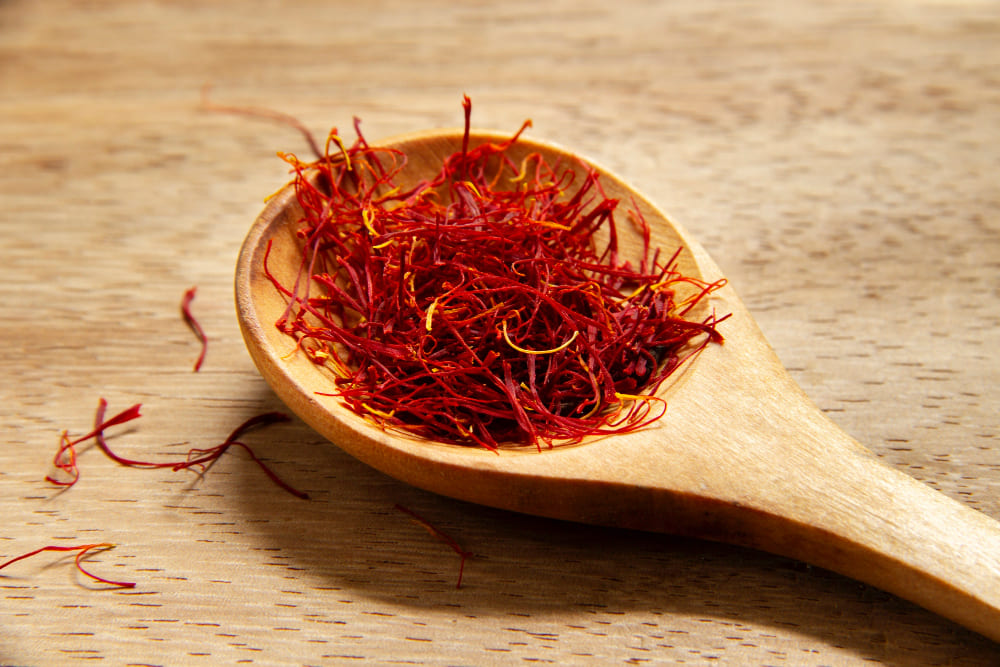
Saffron in Ayurveda, known as Kesar in India, has held a special place in traditional wellness systems for centuries. Revered for its vibrant colour, delicate aroma, and cultural value, saffron is more than just a luxurious spice. In Ayurveda, it is valued for its role in supporting balance, nourishment, and mindful living.
Rather than being viewed as a medicine, saffron has traditionally been used as a supportive herb—included in daily routines, festive foods, and wellness practices to enhance overall vitality. This article explores saffron from an Ayurvedic and lifestyle perspective, blending ancient wisdom with gentle modern understanding.
What Is Saffron in Ayurveda?
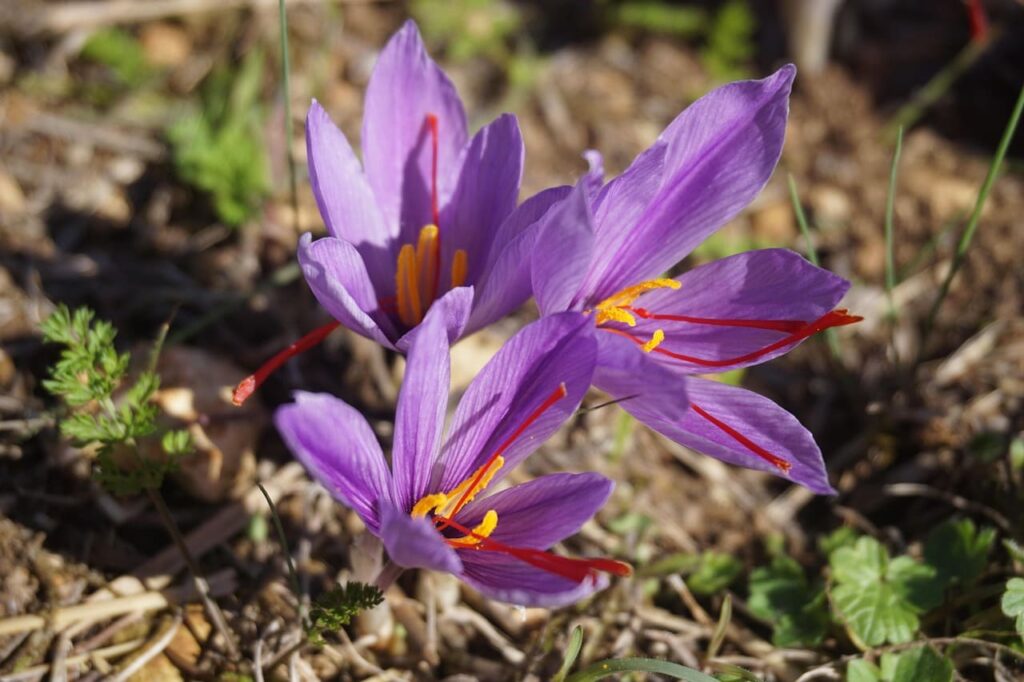
Saffron is derived from the crimson stigmas of the Crocus sativus flower. Each flower produces only a few strands, which are carefully hand-harvested. This delicate process makes saffron one of the most precious spices in the world.
In Ayurveda, saffron is often referred to as Kumkuma or Kesar, and it is described as warming, aromatic, and deeply nourishing when used in moderation.
Saffron in Ayurvedic Tradition
Ayurvedic texts describe saffron as an herb that supports ojas—the subtle essence linked to vitality and inner strength. It has been traditionally included in formulations and home practices meant to promote balance in the body and mind.
Rather than targeting a specific condition, Ayurveda focuses on harmony. Saffron fits into this philosophy as a gentle supporter of overall wellness, when combined with mindful routines and a balanced lifestyle.
Traditional Benefits of Saffron (Kesar)
1. Supports Inner Balance and Emotional Well-Being
In traditional practices, saffron has been valued for its calming aroma and uplifting nature. It has often been included in warm milk or herbal infusions as part of evening routines meant to encourage relaxation and emotional balance.
From a modern perspective, saffron contains natural plant compounds that are being studied for their role in supporting mood and mental clarity. However, in Ayurveda, it is best understood as a comforting, supportive ingredient, not a treatment.
2. Encourages Digestive Comfort
Saffron has traditionally been used in small amounts to support digestion. In Ayurvedic kitchens, it is often added to warm foods and drinks, especially when digestion feels sluggish or heavy.
Its warming quality is believed to help kindle digestive fire (agni) gently, making it suitable for inclusion in balanced meals rather than as a standalone remedy.
3. Supports a Heart-Friendly Lifestyle
Ayurveda emphasizes daily habits—diet, movement, rest, and mindfulness—as the foundation of heart wellness. Saffron has traditionally been considered a nourishing spice that complements a heart-friendly lifestyle when used mindfully.
Modern research has explored saffron’s antioxidant properties, but from an Ayurvedic lens, its value lies in its ability to support balance rather than act as a direct intervention.
4. Enhances Natural Skin Glow (Traditional Use)
Saffron has long been associated with beauty and radiance in Indian traditions. It is commonly found in Kumkumadi oil, a classical Ayurvedic formulation used as part of traditional skincare rituals.
Traditionally, saffron is believed to:
- Support a healthy glow
- Complement natural skincare routines
- Be suitable for occasional external and internal use as part of self-care
Consistency, purity, and moderation are considered essential in these practices.
5. Contributes to Overall Vitality
In Ayurveda, saffron is considered a rejuvenating ingredient when used sparingly. It has traditionally been included in tonics and celebratory foods meant to nourish the body and uplift the senses.
Rather than offering quick results, saffron is viewed as a long-term wellness companion—working subtly when paired with mindful habits.
How Saffron Is Traditionally Used
Saffron is not consumed in large quantities. Traditional practices focus on small, mindful use.
Common Ayurvedic and lifestyle uses include:
- Adding a few strands to warm milk
- Using it in festive sweets and rice dishes
- Infusing it in herbal teas
- Including it in traditional skincare oils
The emphasis is always on moderation and quality.
Gentle Modern Understanding of Saffron
Modern science has identified natural compounds such as crocin and safranal in saffron. These compounds are being explored for their antioxidant and aromatic properties, helping us better understand why saffron has been valued for centuries.
From an Ayusenz perspective:
- Saffron is traditionally valued as a supportive wellness ingredient, not a medicine.
- It is best understood as a complement to mindful living, rather than a substitute for professional care.
- Its role is most meaningful when included gently as part of a balanced lifestyle and daily routine.
Traditional wisdom and modern curiosity can coexist—without overstating claims or promising quick results.
Precautions and Mindful Use
Ayurveda strongly emphasizes individual constitution (prakriti). What suits one person may not suit another.
Keep in mind:
- Use saffron in very small amounts
- Choose pure, high-quality strands
- Avoid overuse
- Pregnant individuals should seek professional guidance before use
- Discontinue use if any discomfort occurs
Wellness is personal and gradual.
Storing Saffron Properly
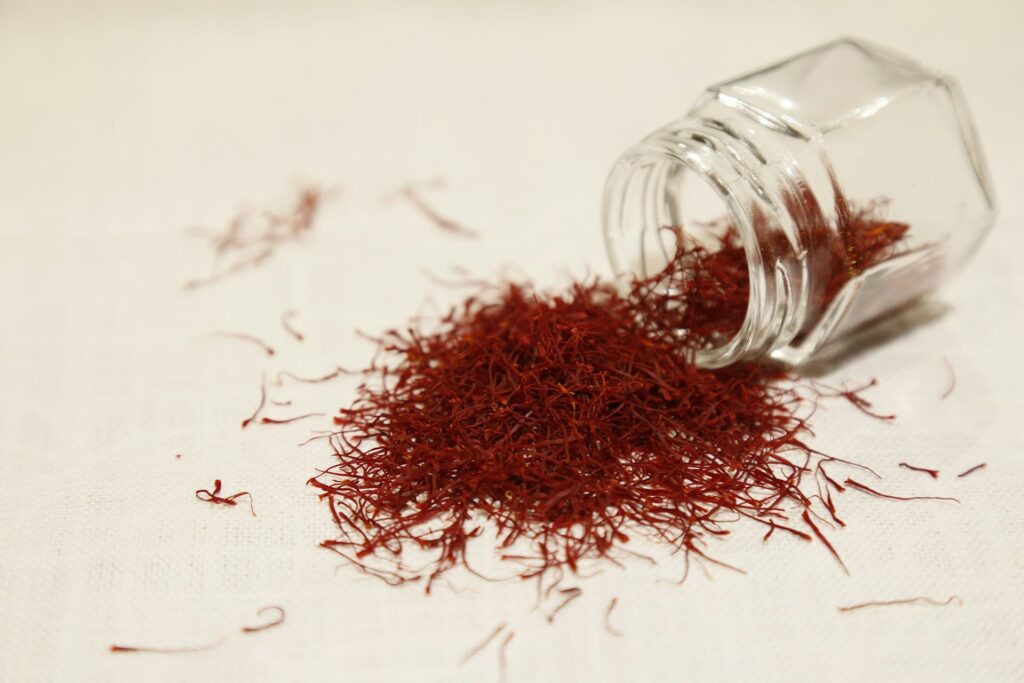
To preserve its quality:
- Store saffron in an airtight container
- Keep it away from light and moisture
- Place it in a cool, dry area
- Avoid frequent exposure to air
Proper storage helps maintain its aroma and colour for longer.
Saffron as Part of Mindful Living
Saffron’s true value lies not in bold promises but in its quiet presence in traditional living. Whether used in a warm drink, festive meal, or self-care ritual, it represents patience, care, and balance.
Ayurveda teaches that wellness is built through daily choices—not quick fixes. Saffron, when respected and used mindfully, fits beautifully into this philosophy.
Conclusion
Saffron (Kesar) has been cherished across generations—not as a cure, but as a supportive element of holistic living. By understanding it through the lens of traditional wisdom and gentle modern awareness, we can appreciate its role without exaggeration.
At Ayusenz, wellness is about harmony, simplicity, and respect for nature’s rhythms. Saffron reminds us that sometimes, the most powerful ingredients work quietly, over time.
Disclaimer: This article is for informational and educational purposes only. It is based on traditional practices and general wellness knowledge. It is not intended to diagnose, treat, cure, or prevent any disease. Please consult a qualified professional before making any health-related changes.