

Vitamin D deficiency symptoms can include tiredness, bone pain, muscle weakness, and frequent infections.
Vitamin D is often called the “sunshine vitamin”—and for a good reason. Your body can naturally produce it when your skin is exposed to sunlight. But today, many people still suffer from vitamin D deficiency, even in sunny countries like India.
If you often feel tired, get sick frequently, or have body pain without a clear reason, your vitamin D levels might be low. In this blog, we’ll cover vitamin D deficiency symptoms, the best natural sources of vitamin D, and simple wellness tips to support your health naturally.
Why Vitamin D Is Important for Your Body
Vitamin D plays a major role in keeping your body strong and balanced. It helps in:
- Calcium absorption (for strong bones and teeth)
- Supporting muscle strength
- Maintaining a healthy immune system
- Supporting overall energy and mood
- Helping maintain normal inflammation response
Many people focus only on calcium, but without enough vitamin D, your body may not absorb calcium properly.
Vitamin D Deficiency Symptoms(Common Signs You Should Not Ignore)
Vitamin D deficiency can develop slowly, and symptoms may be mild at first. But over time, low vitamin D can affect your daily life.
1) Constant Tiredness and Low Energy
Feeling tired even after proper sleep is one of the most common signs. You may feel lazy, weak, or drained throughout the day.
2) Frequent Cold, Cough, or Infections
Vitamin D supports your immune system. Low levels may make your body more vulnerable to seasonal illnesses.
3) Bone Pain or Back Pain

Vitamin D helps your body absorb calcium. If you often feel pain in your bones, lower back, or joints, it may be linked to low vitamin D.
4) Muscle Weakness or Cramps
Low vitamin D may cause muscle weakness, heaviness in legs, or cramps after walking or climbing stairs.
5) Mood Changes or Feeling Low
Many people report mood imbalance, low motivation, or sadness when vitamin D levels are low—especially during winter or when they stay indoors.
6) Slow Healing of Wounds
If your cuts or bruises take longer to heal, your body may be lacking certain nutrients, including vitamin D.
7) Hair Fall (Excessive Shedding)
Hair fall can have many reasons like stress, poor diet, hormones, or deficiencies. But low vitamin D is also linked with weak hair health in many cases.
8) Weak Immunity and Body Pain
Some people experience general body aches, stiffness, or weakness without heavy work. This can be a sign of vitamin D deficiency.
These vitamin D deficiency symptoms are common in adults and can affect energy, bones, and immunity.
If you notice vitamin D deficiency symptoms regularly, improving sunlight exposure and diet can help.
Note: These symptoms can also be caused by other health issues. If you notice ongoing symptoms or discomfort, it’s best to consult a qualified healthcare professional for proper guidance.
Also read: Magnesium Deficiency Symptoms: 10 Warning Signs
Who Is Most at Risk of Vitamin D Deficiency?
Vitamin D deficiency is common, especially in people who:
- Work indoors most of the day
- Avoid sunlight or use heavy sunscreen all the time
- Have darker skin tone (melanin reduces vitamin D production)
- Are overweight (vitamin D may get stored in fat tissues)
- Are older adults
- Eat a diet low in vitamin D foods
Best Natural Sources of Vitamin D
The best way to improve vitamin D levels is through sun exposure + diet.
1) Sunlight (Best Natural Source)

Your body naturally makes vitamin D when your skin gets sunlight.
Best time for sunlight (generally):
- Morning sun is gentle and easier to tolerate
- Around 10–20 minutes, depending on your skin type and location
Tips:
- Expose arms/face (if possible)
- Avoid harsh afternoon sun
- Be consistent 4–5 days a week
2) Fatty Fish (Very High Vitamin D)
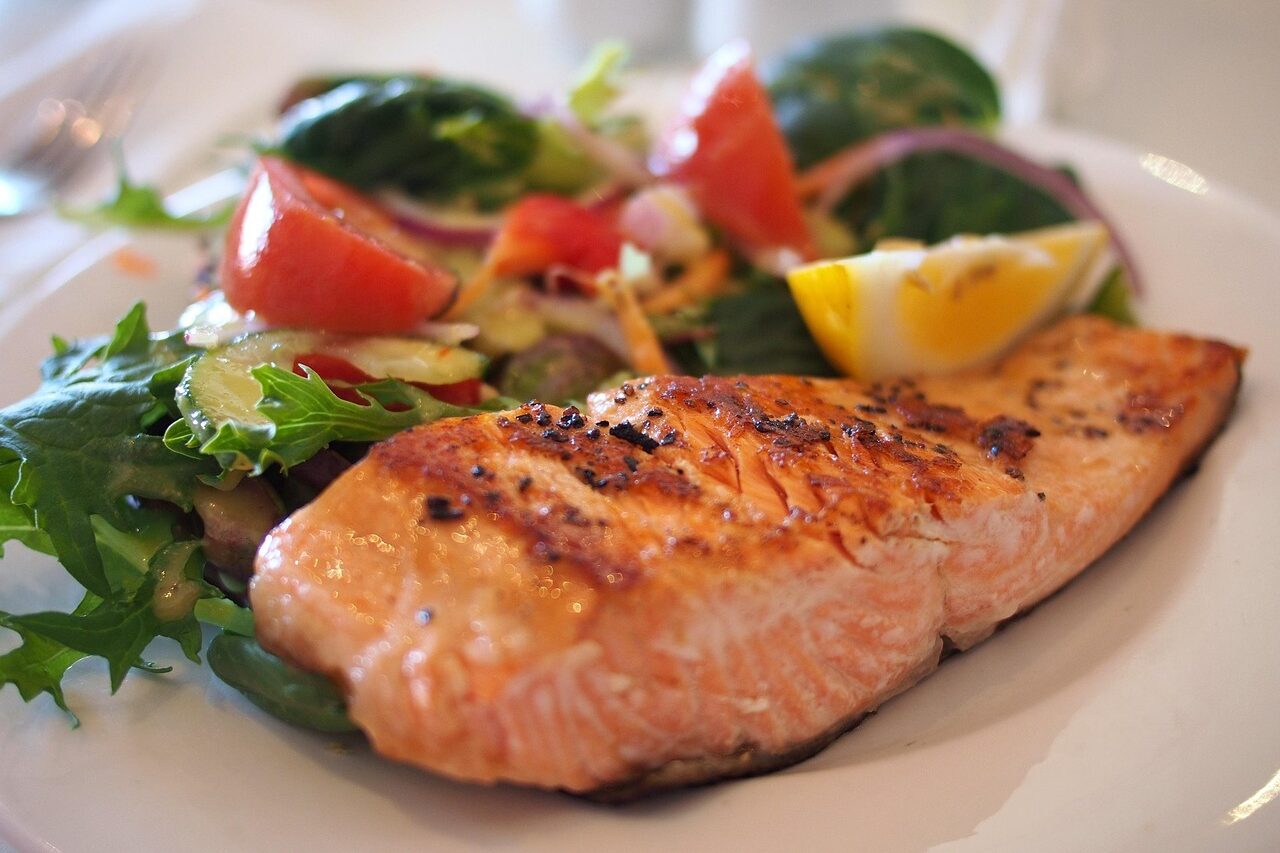
If you eat non-veg, fatty fish is one of the richest sources of vitamin D.
Examples:
- Salmon
- Sardines
- Tuna
- Mackerel
These are also rich in omega-3, which supports heart and brain health.
3) Egg Yolk

Egg yolk is a natural source of vitamin D, especially when you eat whole eggs.
It also provides healthy fats that help your body absorb vitamin D better.
Best way to eat:
Boiled eggs or omelette with minimal oil.
4) Mushrooms (Best Vegetarian Vitamin D Option)

Mushrooms are one of the best plant-based sources of vitamin D.
Especially:
- Sun-exposed mushrooms
- UV-treated mushrooms (available in some markets)
Tip: If you buy mushrooms, keep them in sunlight for some time before cooking (simple home hack).
5) Fortified Foods
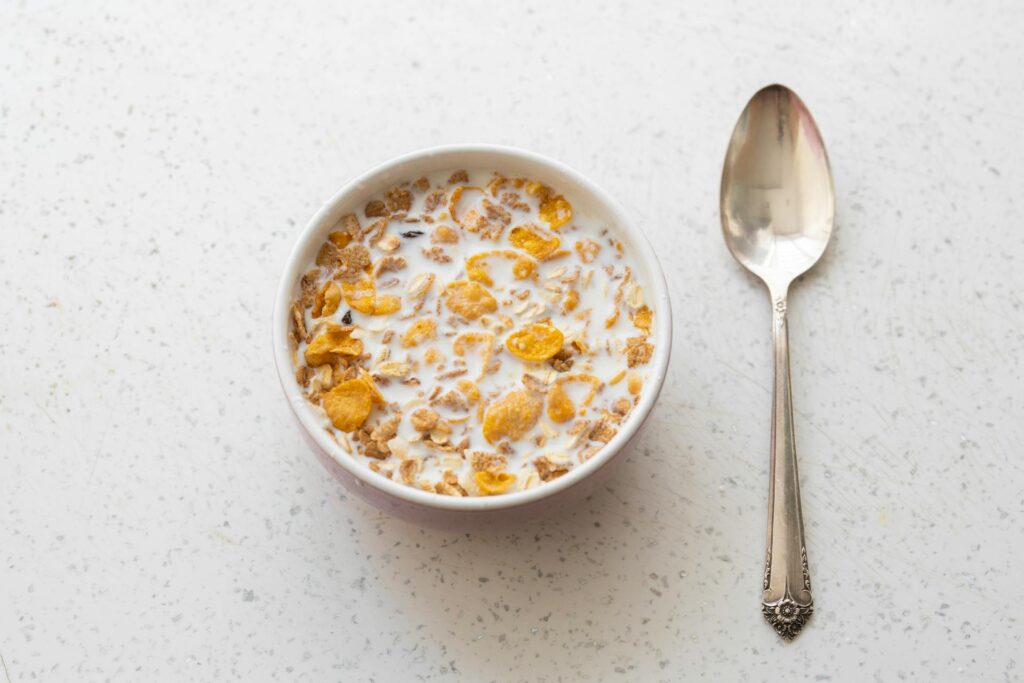
Many foods today are fortified with vitamin D, which means vitamin D is added artificially.
Examples:
- Fortified milk
- Fortified curd/yogurt
- Fortified orange juice (in some brands)
- Fortified cereals
Check the food label for “Vitamin D” or “D2/D3”.
6) Cow Milk + Ghee (Ayurveda-Friendly)

In Ayurveda lifestyle, good-quality milk and ghee are often used in a balanced diet.
While natural vitamin D quantity may vary, these are nourishing foods that support strength when taken properly and in moderation.
Ayurveda Tip: If milk doesn’t suit your digestion, avoid forcing it. Always prioritize gut comfort.
How to Improve Vitamin D Naturally (Simple Daily Routine)
Here are practical habits that support healthy vitamin D levels and overall wellness:
1) Get Sunlight Daily
Try sunlight exposure 5 days a week.
Even a short daily routine makes a big difference.
2) Add Vitamin D Foods in Your Weekly Diet
Add Vitamin D Foods in Your Weekly Diet
You don’t need all foods daily. Mix them smartly:
- Eggs 3–5 days/week (if you eat)
- Mushrooms 2–3 days/week
- Fortified milk/curd daily (if suitable)
3) Support Absorption with Healthy Fats
Vitamin D is a fat-soluble vitamin, meaning it absorbs better with healthy fats.
Good options:
- Ghee (small amount)
- Nuts and seeds
- Olive oil / mustard oil (as per your diet)
4) Don’t Ignore Magnesium
Many people don’t know this: Magnesium helps vitamin D work properly in the body.
Magnesium-rich foods:
- Pumpkin seeds
- Almonds
- Spinach
- Bananas
- Whole grains
Also read: Why Morning Light Affects Your Energy Levels
Vitamin D Deficiency: Common Myths
Myth 1: “India is sunny, so I can’t be deficient.”
Truth: Indoor lifestyle + covered clothing + pollution can still cause deficiency.
Myth 2: “Only old people need vitamin D.”
Truth: Even teenagers and young adults can have low vitamin D.
Myth 3: “Milk alone is enough.”
Truth: Milk helps, but sunlight and overall diet matter too.
When Should You Check Vitamin D Levels?
Consider testing if you have:
- Constant fatigue
- Frequent infections
- Bone pain or muscle weakness
- Hair fall + weakness
- Low mood for weeks
A simple blood test can guide you better.
Trusted Source: NIH Vitamin D Consumer Fact Sheet
Final Thoughts
Vitamin D deficiency is extremely common today, but the good news is—it can be managed with simple daily habits. By getting regular sunlight, eating vitamin D-rich foods, and maintaining a balanced lifestyle, you can support better energy, immunity, and bone strength naturally.
Ayurveda also believes in building health through routine, balance, and consistency, which fits perfectly with improving vitamin D naturally.
Disclaimer: This article is for informational and educational purposes only. It is based on traditional practices and general wellness knowledge. It is not intended to diagnose, treat, cure, or prevent any disease. Please consult a qualified professional before making any health-related changes.