
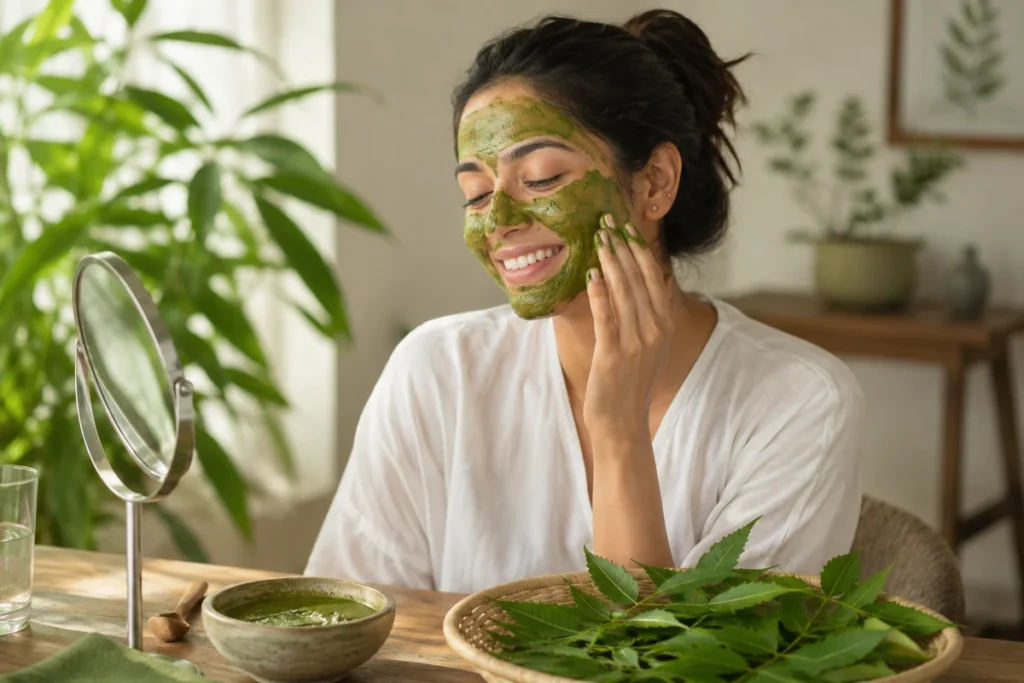
When it comes to natural skincare, few ingredients are as trusted as neem. Used in Ayurveda for centuries, neem is known for its cleansing, soothing, and skin-supporting properties. Today, it’s a common ingredient in face washes, soaps, creams, and homemade face packs because it may help manage acne, excess oil, and other common skin concerns.
Modern research suggests that neem contains plant compounds with antibacterial, anti-inflammatory, and antioxidant properties. While it’s not a miracle cure, adding neem to your skincare routine may support healthier-looking skin when used correctly.
The neem benefits for skin go beyond traditional use, making this Ayurvedic herb a popular choice for people looking for simple, natural skincare solutions.
In this guide, you’ll discover the top neem benefits for skin, how to use it safely, and simple ways to include it in your skincare routine.
Note: Neem is a supportive skincare ingredient and should not replace treatment recommended by a dermatologist for serious skin conditions.
Table of Contents
What Is Neem?

Neem (Azadirachta indica) is an evergreen tree native to the Indian subcontinent. In Ayurveda, it has been valued for generations and is often called the “Village Pharmacy” because many parts of the tree—including its leaves, bark, seeds, flowers, and oil—have traditional uses.
For skincare, neem leaves and neem oil are the most commonly used forms.
Neem naturally contains beneficial plant compounds such as:
- Nimbidin
- Nimbin
- Quercetin
- Flavonoids
- Polyphenols
- Essential fatty acids
These compounds are believed to contribute to neem’s antimicrobial, antioxidant, and anti-inflammatory properties.
Modern research continues to explore neem’s traditional uses, and several medically reviewed sources describe its unique plant compounds and potential health-supporting properties.
Why Is Neem Good for Skin?
Healthy skin is affected by many factors, including oil production, bacteria, pollution, UV exposure, and inflammation. Neem contains natural compounds that may help support the skin’s protective barrier while keeping it clean and refreshed.
Some potential properties of neem include:
- May help reduce acne-causing bacteria
- Supports cleaner-looking skin
- Helps calm minor skin irritation
- Provides antioxidant protection
- May help control excess oil
- Supports healthy skin hygiene
Top 10 Neem Benefits for Skin
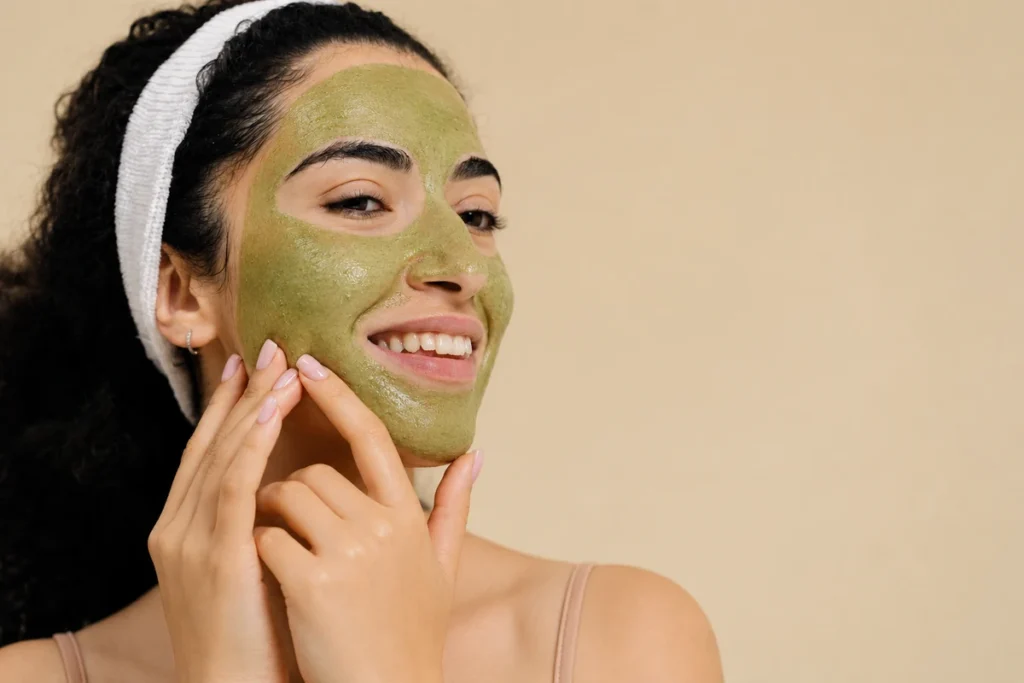
Neem has been used in traditional skincare for centuries, and modern research suggests it may offer several benefits for healthy-looking skin. Here are some of the most notable ways neem may support your skincare routine.
Let’s explore the most important neem benefits for skin
1. May Help Reduce Acne and Pimples
One of the most popular neem benefits for skin is its ability to support acne-prone skin.
Acne develops when pores become clogged with oil, dead skin cells, and bacteria. Neem contains naturally occurring compounds that have shown antibacterial activity in laboratory studies. It also has anti-inflammatory properties that may help soothe redness associated with occasional breakouts.
Although neem cannot cure acne, it may complement a gentle skincare routine.
Why neem may help:
- Helps keep pores clean
- May reduce excess bacteria
- Helps calm redness
- Supports clearer-looking skin
For persistent or severe acne, consult a dermatologist.
2. May Help Control Oily Skin
Excess oil can make your face appear shiny and increase the risk of clogged pores.
Neem has traditionally been used as a natural cleanser that helps remove excess oil without stripping the skin completely.
Using a neem-based face wash or a weekly neem face pack may help:
- Reduce greasy skin
- Refresh the complexion
- Support balanced oil production
- Keep pores cleaner
If you have dry skin, avoid overusing neem, as excessive cleansing may lead to dryness.
3. May Soothe Minor Skin Irritation
Daily exposure to heat, dust, pollution, and harsh skincare products can leave your skin feeling irritated.
Neem contains plant compounds that may help soothe minor redness and discomfort. This is one reason why neem is commonly included in herbal skincare products.
While neem may provide a calming effect, it should not be used as a replacement for medical care if you have eczema, psoriasis, or other chronic skin conditions.
4. Rich in Antioxidants
Your skin faces constant exposure to environmental stressors such as sunlight, pollution, and smoke. These factors can lead to oxidative stress, which contributes to premature skin aging.
Neem contains natural antioxidants like flavonoids and polyphenols that help protect skin cells from free radical damage.
Adding antioxidant-rich ingredients to your skincare routine may help support healthier-looking skin over time.
5. May Support a Healthy Skin Barrier
A healthy skin barrier helps retain moisture while protecting the skin from external irritants.
Neem oil contains beneficial fatty acids that may help nourish the outer layer of the skin. When used correctly and diluted with a carrier oil, neem oil may support smoother and healthier-looking skin.
However, pure neem oil is highly concentrated and should never be applied directly to the face without dilution.
6. May Help Reduce the Appearance of Dark Spots
Dark spots often appear after acne heals or due to prolonged sun exposure. Neem may support the skin’s natural renewal process, helping the complexion look more even over time.
Traditional face packs often combine neem with aloe vera or turmeric to promote healthy-looking skin.
Keep in mind that sunscreen and consistent skincare are essential for reducing the appearance of pigmentation.
7. May Help Keep Skin Fresh and Clean
Throughout the day, dirt, sweat, and pollution build up on the skin.
Neem’s natural cleansing properties make it a popular ingredient in herbal face washes and soaps. It may help remove impurities while leaving the skin feeling fresh and clean.
Washing your face twice a day with a gentle cleanser is usually enough to maintain healthy skin.
Also read: Rice Water for Skin in Ayurveda: Benefits, Use for Naturally Glowing Skin
8. May Help Support Minor Skin Infections
Neem has traditionally been used in Ayurveda to support skin hygiene because of its antimicrobial properties.
Laboratory studies suggest that neem extracts may inhibit the growth of certain microorganisms. However, more human studies are needed, and neem should not replace prescribed medications for bacterial or fungal skin infections.
If you notice signs of infection such as severe redness, swelling, or pus, seek medical advice.
9. May Help Protect Against Premature Aging
While aging is a natural process, environmental damage can speed up the appearance of fine lines and dull skin.
Neem’s antioxidants may help reduce oxidative stress, supporting healthier-looking skin. Combined with sunscreen, a nutritious diet, and adequate sleep, neem can be part of an age-friendly skincare routine.
Remember that no natural ingredient can stop aging, but consistent skincare habits can help maintain skin health.
Also read: 10 Powerful Moringa Benefits for Health
10. A Simple Addition to a Natural Skincare Routine
One reason neem remains popular is its versatility. Whether you prefer fresh leaves, neem powder, neem oil, or a ready-made face wash, there are many ways to include it in your routine.
Used in moderation, neem may help support:
- Clearer-looking skin
- Balanced oil production
- A refreshed complexion
- Overall skin wellness
The key is consistency rather than overuse.
How to Use Neem for Skin Safely
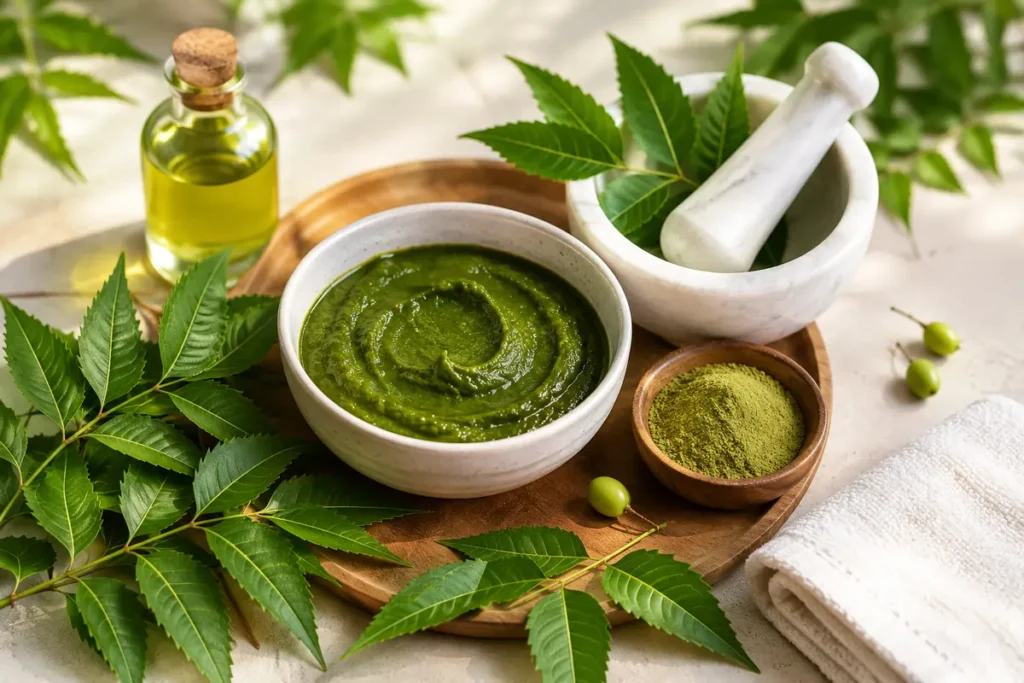
Using neem the right way is important to get the best results while avoiding irritation. You can use fresh neem leaves, neem powder, neem oil, or neem-based skincare products depending on your skin type.
Neem Face Pack with Fresh Leaves
One of the easiest ways to enjoy the neem benefits for skin is by using homemade face packs prepared with fresh neem leaves or neem powder.
This traditional remedy is suitable for oily and acne-prone skin.
Ingredients
- 10–15 fresh neem leaves
- 2 tablespoons water
How to Use
- Wash the leaves thoroughly.
- Blend them into a smooth paste.
- Apply to a clean face.
- Leave it on for 10–15 minutes.
- Rinse with lukewarm water.
Use once or twice a week.
Neem Powder Face Pack
Neem powder is convenient and easy to use.
For Oily Skin
Mix:
- 1 tablespoon neem powder
- Rose water
Apply for 10–15 minutes before rinsing.
For Dry Skin
Mix:
- 1 tablespoon neem powder
- 1 teaspoon honey
- Plain yogurt
This combination helps cleanse while providing extra moisture.
For Combination Skin
Mix neem powder with fresh aloe vera gel to create a gentle face pack.
Neem Oil
Neem oil is highly concentrated.
Never apply it directly to your face.
Instead:
- Mix 2–3 drops with one tablespoon of a carrier oil such as jojoba, sweet almond, or coconut oil.
- Apply to a small area first.
- Wash off if irritation develops.
Neem Face Wash
A mild neem face wash is the easiest option for daily use.
Choose products that are:
- Sulfate-free
- Suitable for your skin type
- Free from harsh fragrances if you have sensitive skin
If you’re a beginner, neem powder or a gentle neem face wash is often the easiest place to start.
Current research suggests that neem contains natural compounds that may support healthy-looking skin.
Possible Side Effects of Neem
Although neem is a natural ingredient, it may not suit everyone.
Possible side effects include:
- Skin irritation
- Redness
- Dryness
- Burning sensation
- Allergic reactions
If you experience discomfort after using neem, stop using it and consult a healthcare professional if symptoms persist.
Although the neem benefits for skin are promising, it is important to use neem correctly and perform a patch test before applying it to your face.
Who Should Avoid Neem?
Neem may not be suitable if you:
- Have a known allergy to neem.
- Have very sensitive skin.
- Have open wounds or broken skin.
- Experience severe eczema or psoriasis unless advised by a dermatologist.
Always perform a patch test before using neem on your face for the first time.
Tips for Better Skin Along with Neem
Neem works best when combined with healthy skincare habits.
Here are a few simple tips:
- Cleanse your face twice a day.
- Apply a moisturizer suitable for your skin type.
- Wear sunscreen with SPF 30 or higher every day.
- Drink enough water.
- Eat a balanced diet rich in fruits and vegetables.
- Get 7–8 hours of sleep.
- Avoid touching or squeezing pimples.
Good skincare is about consistency rather than quick fixes.
Also read: Ayurvedic Skincare for Glowing Skin: 6 Timeless Beauty Rituals Rooted in Ancient Wisdom
Final Thoughts
Neem has earned its place in traditional Ayurvedic skincare because of its natural cleansing, soothing, and antioxidant properties. While it isn’t a miracle cure, it may help support healthier-looking skin when used as part of a balanced skincare routine.
Whether your goal is managing oily skin, reducing occasional breakouts, or maintaining a fresh complexion, neem can be a useful natural ingredient. The best results come from using it consistently, following healthy skincare habits, and protecting your skin from sun damage.
Overall, the neem benefits for skin make this traditional Ayurvedic herb a valuable addition to a gentle skincare routine, especially when combined with healthy daily habits.
If you have persistent acne, severe skin irritation, or other ongoing skin concerns, consult a qualified dermatologist for personalized advice.
Frequently Asked Questions (FAQs)
1. Is neem good for your skin?
Yes, neem has been used in Ayurveda for centuries to support healthy-looking skin. It contains natural compounds with antibacterial, anti-inflammatory, and antioxidant properties that may help manage acne, excess oil, and minor skin irritation. However, it is not a substitute for medical treatment.
2. What are the top neem benefits for skin?
Some of the most popular neem benefits for skin include:
Supporting acne-prone skin
Helping control excess oil
Soothing minor skin irritation
Providing antioxidant protection
Supporting clearer and healthier-looking skin
3. Can neem help reduce acne and pimples?
Neem may help reduce acne by supporting skin hygiene and helping limit acne-causing bacteria. Its anti-inflammatory properties may also help calm redness associated with occasional breakouts. Results vary from person to person.
4. Is neem good for oily skin?
Yes. Neem may help remove excess oil and impurities without overly drying the skin, making it a popular choice for people with oily and combination skin.
5. Can neem remove dark spots?
Neem cannot instantly remove dark spots, but its antioxidant and soothing properties may support the skin’s natural healing process. Consistent skincare, sun protection, and patience are important for visible improvement.
6. How often should I use a neem face pack?
For most skin types, using a neem face pack 1–2 times per week is generally enough. Overusing neem may lead to dryness, especially if you have sensitive skin.
7. Are there any side effects of using neem on the skin?
Neem is generally well tolerated when used topically, but some people may experience dryness, redness, or allergic reactions. Always perform a patch test before first use and discontinue use if irritation develops.
Disclaimer: This article is for informational and educational purposes only. It is based on traditional practices and general wellness knowledge. It is not intended to diagnose, treat, cure, or prevent any disease. Please consult a qualified professional before making any health-related changes.