
Pumpkin seeds may be tiny, but they are among the most nutrient-dense edible seeds available. Also known as pepitas, these flat green seeds are packed with plant protein, healthy fats, dietary fiber, vitamins, minerals, and antioxidants that support overall health. Whether sprinkled over salads, blended into smoothies, or enjoyed as a snack, pumpkin seeds are an easy way to add more nutrition to your daily meals.
Interest in pumpkin seeds has grown rapidly in recent years as more people search for natural foods that fit into healthy eating patterns. They are especially valued for their high magnesium and zinc content, along with beneficial plant compounds that contribute to a balanced diet.
In Ayurveda-inspired lifestyles, whole foods and nutrient-rich ingredients are often encouraged as part of a wholesome daily routine. While pumpkin seeds are not a traditional Ayurvedic herb, they can complement a balanced diet when eaten mindfully and in moderation.
Welcome to the complete Ayusenz guide on Pumpkin Seeds Benefits. In this comprehensive article, you’ll learn about pumpkin seed nutrition, potential health benefits, recommended daily intake, the best ways to eat pumpkin seeds, possible side effects, and practical tips for including them as part of a healthy, balanced diet.
Table of Contents
What Are Pumpkin Seeds?
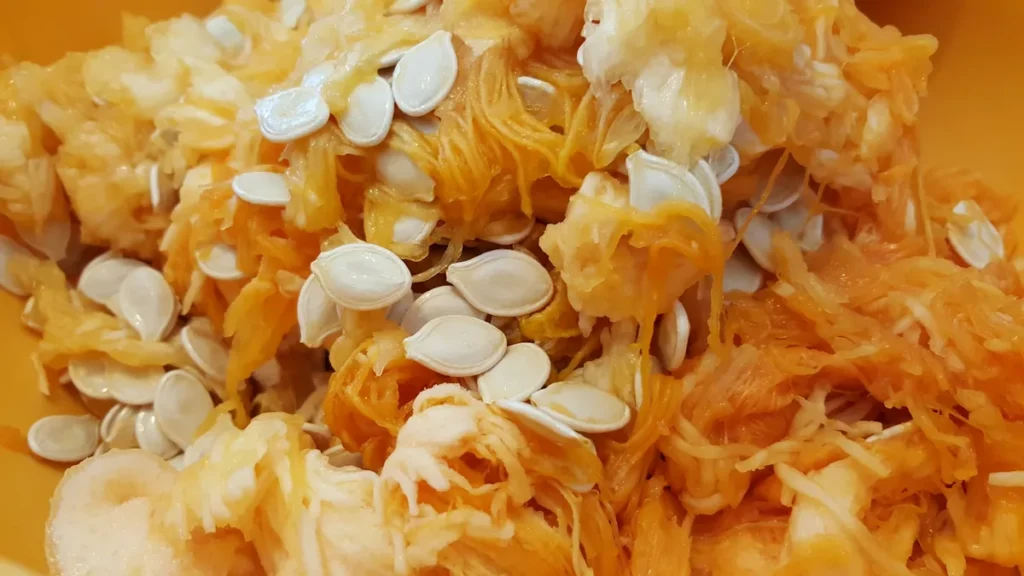
Pumpkin seeds are the edible seeds found inside pumpkins, which belong to the squash family (Cucurbita species). Once removed from the fruit, the seeds can be washed, dried, and eaten either raw or roasted.
Unlike many processed snack foods, pumpkin seeds are naturally rich in nutrients without added sugar. They have a mild, nutty flavor that makes them suitable for both sweet and savory recipes.
There are two common types of pumpkin seeds available:
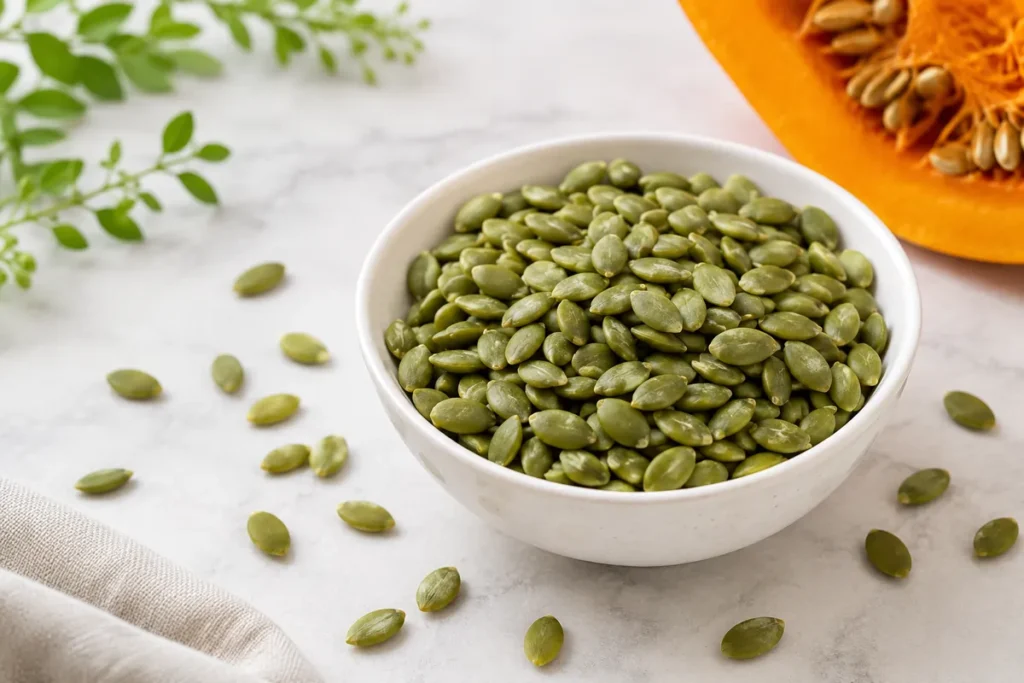
Shelled Pumpkin Seeds (Pepitas)
Pepitas are green seeds with the white outer shell removed. They are softer, easier to eat, and commonly sold as a ready-to-eat snack or recipe ingredient.
Whole Pumpkin Seeds
These seeds still have their white outer shell. Many people enjoy roasting them after carving fresh pumpkins. They provide additional fiber from the shell but have a firmer texture.
Today, pumpkin seeds are widely consumed around the world and are popular among people following vegetarian, vegan, gluten-free, and high-protein diets.
Pumpkin Seeds Nutrition
Pumpkin seeds are considered nutrient-dense because they provide a significant amount of vitamins and minerals in a relatively small serving.
Understanding pumpkin seeds benefits begins with exploring their impressive nutritional profile, which includes protein, healthy fats, fiber, vitamins, and essential minerals.
Nutrition Facts (Approximate Values per 28 g / 1 ounce)
| Nutrient | Amount |
|---|---|
| Calories | 160 kcal |
| Protein | 8.5 g |
| Total Fat | 13–14 g |
| Healthy Unsaturated Fat | 10 g |
| Carbohydrates | 4–5 g |
| Dietary Fiber | 1.7–2 g |
| Magnesium | ~150 mg |
| Zinc | ~2.2 mg |
| Iron | ~2.5 mg |
| Phosphorus | ~330 mg |
| Potassium | ~230 mg |
| Copper | ~0.4 mg |
| Manganese | ~1.3 mg |
Values are approximate and may vary depending on the variety and preparation method.
According to the USDA FoodData Central, pumpkin seeds are rich in protein, magnesium, zinc, iron, and healthy fats.
Why These Nutrients Matter
Protein: Helps build and repair body tissues and supports muscle maintenance.
Healthy fats: Mostly unsaturated fats that can be part of a heart-healthy eating pattern.
Magnesium: Supports muscle function, nerve signaling, bone health, and energy production.
Zinc: Plays a role in immune function, wound healing, and normal growth.
Iron: Helps transport oxygen throughout the body.
Phosphorus: Important for healthy bones, teeth, and energy metabolism.
Together, these nutrients make pumpkin seeds a valuable addition to a balanced diet.
Bioactive Compounds in Pumpkin Seeds
Beyond vitamins and minerals, pumpkin seeds contain several naturally occurring plant compounds that contribute to their nutritional value.
Antioxidants
Pumpkin seeds provide antioxidants such as vitamin E and carotenoids. Antioxidants help protect cells from oxidative stress caused by free radicals.
Phytosterols
Phytosterols are naturally occurring plant compounds that have been studied for their role in supporting healthy cholesterol levels when included as part of a balanced diet.
Polyphenols
Pumpkin seeds contain polyphenols, a group of plant compounds associated with antioxidant activity.
Unsaturated Fatty Acids
The seeds are rich in monounsaturated and polyunsaturated fats, including omega-6 fatty acids, which can contribute to a healthy dietary fat profile when consumed in moderation.
These naturally occurring compounds work together with vitamins and minerals, making pumpkin seeds more than just a source of calories.
15 Health Benefits of Pumpkin Seeds
Many pumpkin seeds benefits are linked to their rich combination of magnesium, zinc, antioxidants, and plant protein, making them a valuable addition to a balanced diet.
1. Rich Source of Essential Nutrients
One of the biggest advantages of pumpkin seeds is their impressive nutritional profile. A single handful provides protein, healthy fats, magnesium, phosphorus, zinc, iron, copper, manganese, and antioxidants.
Because they contain several nutrients together, pumpkin seeds can help improve the overall nutrient quality of your diet.
2. Excellent Source of Magnesium
Pumpkin seeds are among the richest natural food sources of magnesium.
Magnesium supports:
- Normal muscle function
- Healthy nerve function
- Bone health
- Energy production
- Normal blood pressure regulation
Many adults do not meet their daily magnesium requirements through diet alone, making magnesium-rich foods like pumpkin seeds a useful addition to balanced meals.
Magnesium plays an important role in muscle and nerve function, as explained by the NIH Office of Dietary Supplements.
Also read: Magnesium Deficiency Symptoms: 10 Warning Signs + Magnesium-Rich Foods to Add Today
3. Good Plant-Based Protein Source
For people following vegetarian or vegan diets, pumpkin seeds provide an excellent source of plant protein.
Protein helps:
- Build and repair tissues
- Support muscle maintenance
- Promote satiety after meals
- Contribute to normal growth and development
Adding pumpkin seeds to breakfast bowls, salads, or smoothies is an easy way to increase protein intake naturally.
4. Rich in Healthy Fats
Pumpkin seeds contain mostly unsaturated fats rather than saturated fats.
Healthy dietary fats help:
- Support heart health
- Aid absorption of fat-soluble vitamins
- Provide long-lasting energy
- Contribute to overall dietary balance
Although nutritious, pumpkin seeds are calorie-dense, so portion control remains important.
WebMD explains that pumpkin seeds provide protein, healthy fats, fiber, and important minerals.
5. May Support Heart Health
Pumpkin seeds contain magnesium, healthy fats, fiber, antioxidants, and phytosterols—all nutrients that are associated with cardiovascular health.
When included as part of a balanced eating pattern rich in fruits, vegetables, whole grains, and legumes, pumpkin seeds may contribute to maintaining heart health.
However, they should not be considered a replacement for medical treatment or a heart-healthy lifestyle.
6. May Help Support Immune Function
Zinc is one of the key minerals found in pumpkin seeds.
Zinc contributes to:
- Normal immune function
- Wound healing
- DNA synthesis
- Cell growth
Including zinc-rich foods in the diet may help support the body’s natural immune processes.
7. Rich in Antioxidants
Pumpkin seeds contain vitamin E, carotenoids, and polyphenols, which act as antioxidants.
Antioxidants help protect cells from oxidative stress, an everyday process linked to aging and environmental factors. A diet rich in antioxidant-containing foods supports overall health.
Healthline discusses the many pumpkin seeds benefits, including their rich nutrient profile and antioxidant content.
8. May Help You Feel Fuller for Longer
Pumpkin seeds provide a combination of protein, healthy fats, and dietary fiber.
This combination may promote satiety, helping you feel satisfied after eating. Including pumpkin seeds as part of a balanced snack may reduce the urge for frequent snacking.
It’s important to remember that pumpkin seeds are calorie-dense, so enjoying them in moderate portions is recommended.
9. May Support Better Sleep
A good night’s sleep is essential for physical and mental well-being. Pumpkin seeds contain magnesium and tryptophan, two nutrients that have been studied for their role in normal sleep processes.
Magnesium helps support normal muscle and nerve function and may contribute to relaxation. Tryptophan is an amino acid that the body uses to produce serotonin, which can then be converted into melatonin—the hormone involved in regulating the sleep-wake cycle.
Although eating pumpkin seeds alone is not a treatment for sleep problems, including magnesium-rich foods as part of a balanced diet may support healthy sleep patterns.
Tip: Enjoy a small handful of unsalted pumpkin seeds as part of an evening snack with yogurt or fruit.
Also read: How to Sleep Faster Naturally: A Simple Night Routine for Deep & Peaceful Sleep
10. May Support Healthy Blood Sugar Management
Pumpkin seeds have a low carbohydrate content and provide fiber, healthy fats, protein, and magnesium.
These nutrients may help slow digestion and contribute to more stable energy levels after meals. Magnesium also plays a role in normal glucose metabolism.
People with diabetes or other medical conditions should continue following their healthcare provider’s advice. Pumpkin seeds should be viewed as one nutritious food within an overall balanced eating pattern rather than a treatment.
Also read: Methi Water Benefits: Complete Guide for Weight Loss, Blood Sugar Control, and Better Health
11. May Support Digestive Health
Healthy digestion depends on a varied diet rich in fiber and fluids. Pumpkin seeds contribute dietary fiber, especially when eaten with their outer shell.
Fiber helps:
- Support regular bowel movements
- Promote digestive comfort
- Nourish beneficial gut bacteria
- Increase feelings of fullness
If you are increasing your fiber intake, do so gradually and drink plenty of water throughout the day.
Also read: Saunf Water Benefits for Digestion: How Fennel Water Improves Gut Health Naturally
12. May Support Healthy Skin
Healthy skin requires a combination of nutrients, hydration, and lifestyle habits. Pumpkin seeds provide several nutrients associated with normal skin health, including:
- Vitamin E
- Zinc
- Healthy fats
- Copper
- Antioxidants
These nutrients help protect skin cells from oxidative stress and support normal skin structure.
Remember that glowing skin is influenced by many factors, including sleep, hydration, sun protection, and an overall nutritious diet.
Also read: Rice Water for Skin in Ayurveda: Benefits, How to Make & Use for Naturally Glowing Skin
13. May Support Healthy Hair
Pumpkin seeds contain protein, zinc, iron, magnesium, and healthy fats—all nutrients involved in maintaining healthy hair.
Protein supports the structure of hair, while zinc contributes to normal hair follicle function. Iron helps transport oxygen throughout the body, including to tissues involved in hair growth.
Pumpkin seeds cannot reverse hair loss caused by medical conditions, but they can contribute valuable nutrients as part of a healthy eating plan.
Also read: Hair Fall Reasons & Home Care Routine: How to Reduce Hair Fall Naturally
14. May Support Bone Health
Strong bones depend on more than just calcium. Pumpkin seeds also provide:
- Magnesium
- Phosphorus
- Zinc
- Protein
These nutrients work together to support normal bone structure and maintenance.
Eating a variety of nutrient-rich foods alongside regular physical activity is important for lifelong bone health.
15. A Convenient and Nutritious Everyday Snack
One reason pumpkin seeds have become so popular is their convenience.
Unlike many packaged snacks that contain added sugar, refined flour, or unhealthy fats, pumpkin seeds are naturally rich in nutrients.
They are easy to:
- Carry while traveling
- Pack in lunch boxes
- Add to breakfast
- Sprinkle over salads
- Mix into homemade trail mix
- Blend into smoothies
Replacing highly processed snacks with nutrient-dense options like pumpkin seeds may improve the overall quality of your diet.
Pumpkin Seeds in Ayurveda
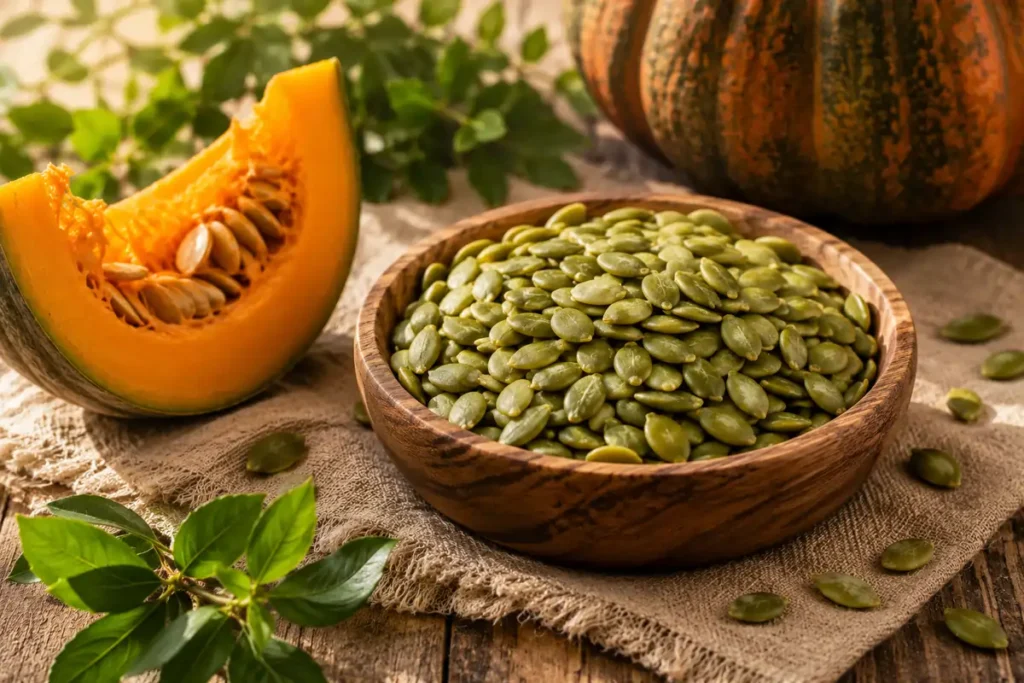
Pumpkin seeds are not traditionally described in the classical Ayurvedic texts in the same way as herbs such as Ashwagandha, Triphala, or Turmeric. However, modern Ayurveda-inspired nutrition often includes whole seeds because they provide healthy fats, protein, and minerals.
From an Ayurvedic perspective, foods are chosen based on qualities such as taste (Rasa), energy (Virya), post-digestive effect (Vipaka), and an individual’s constitution (Prakriti).
Pumpkin seeds are generally considered:
- Nourishing
- Satisfying
- Rich in natural oils
- Best enjoyed in moderation
People with slower digestion may find them easier to digest when lightly roasted rather than eaten in large amounts raw.
Since Ayurvedic dietary recommendations are highly individualized, consult a qualified Ayurvedic practitioner if you need personalized guidance.
Pumpkin Seeds Benefits for Women
Women require adequate amounts of iron, magnesium, zinc, protein, and healthy fats throughout different stages of life.
Pumpkin seeds can help contribute these nutrients as part of a balanced diet.
Some potential benefits include:
Supports Nutrient Intake
Iron and magnesium are nutrients that many women need adequate amounts of.
Supports Bone Health
Magnesium and phosphorus contribute to maintaining healthy bones.
Supports Skin Health
Vitamin E and healthy fats help support normal skin function.
Convenient Plant Protein
Pumpkin seeds provide plant protein that can easily be added to salads, smoothies, soups, or yogurt.
While pumpkin seeds are nutritious, they should not replace medical advice or prescribed supplements when deficiencies are present.
Also read: Vitamin D Deficiency Symptoms: 8 Signs + Best Natural Sources (Ayurveda-Friendly)
Pumpkin Seeds Benefits for Men
Pumpkin seeds are popular among men because they provide several important nutrients.
These include:
Plant Protein
Supports muscle maintenance when combined with regular exercise.
Magnesium
Important for muscle and nerve function.
Zinc
Contributes to normal immune function and reproductive health.
Healthy Fats
Can be part of a heart-friendly dietary pattern.
Eating pumpkin seeds regularly alongside an active lifestyle may help improve overall diet quality.
Pumpkin Seeds During Pregnancy
Pregnancy increases the body’s nutritional needs, making nutrient-dense foods especially valuable.
Pumpkin seeds provide:
- Protein
- Magnesium
- Iron
- Zinc
- Healthy fats
- Fiber
These nutrients contribute to a balanced pregnancy diet.
However:
- Eat pumpkin seeds in moderate amounts.
- Choose unsalted varieties whenever possible.
- Wash or purchase hygienically packaged products.
- Always follow your healthcare provider’s dietary recommendations during pregnancy.
Pumpkin seeds should not be viewed as a substitute for prenatal vitamins or medical care.
Pumpkin Seeds for Weight Management
Many people search for pumpkin seeds as a weight-loss food. While no single food causes weight loss, pumpkin seeds may support weight management when included in a calorie-appropriate diet.
Here’s why:
Rich in Protein
Protein can help increase feelings of fullness after meals.
Contains Fiber
Fiber supports satiety and digestive health.
Healthy Fats
Healthy fats digest more slowly than refined carbohydrates, helping you stay satisfied longer.
Helps Reduce Mindless Snacking
Replacing processed snacks with a measured portion of pumpkin seeds may improve diet quality.
Because pumpkin seeds are calorie-dense, stick to a serving of around 20–30 grams (a small handful) per day unless advised otherwise by a healthcare professional.
Also read: Curry Leaves Water Benefits for Hair and Digestion: 12 Ayurvedic Health Benefits You Should Know
How Much Pumpkin Seeds Should You Eat Daily?
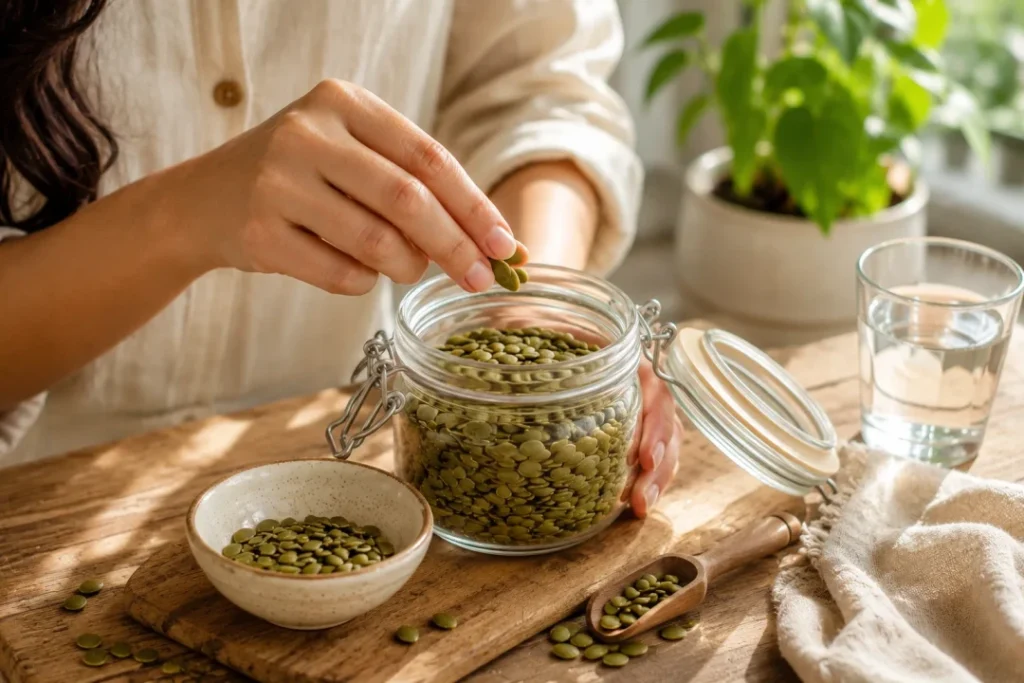
Pumpkin seeds are nutrient-dense, which means they provide a large amount of nutrition in a relatively small serving. For most healthy adults, 20–30 grams per day (about a small handful or 2–3 tablespoons of shelled pumpkin seeds) is considered a practical serving.
This amount supplies a good balance of protein, healthy fats, magnesium, zinc, iron, and other essential nutrients without contributing excessive calories.
Eating significantly larger portions occasionally is not usually harmful for healthy individuals, but because pumpkin seeds are energy-dense, regularly consuming large amounts may increase overall calorie intake. Moderation remains the key to enjoying their nutritional benefits.
Simple Ways to Include Pumpkin Seeds in Your Diet
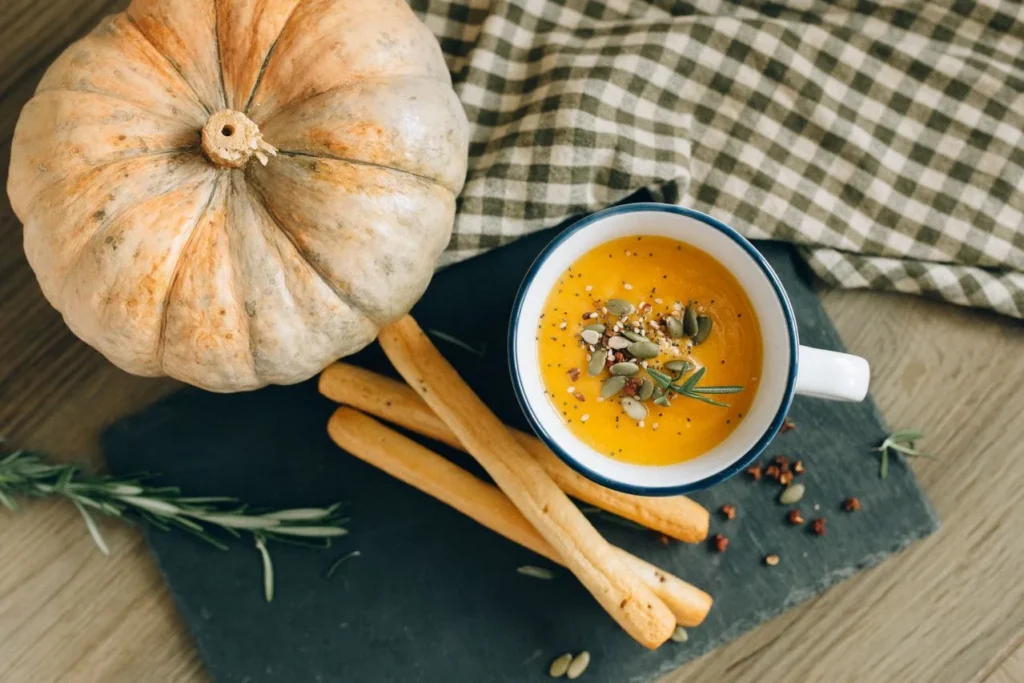
One reason pumpkin seeds have become so popular is their versatility. Their mild, nutty flavor makes them suitable for both sweet and savory dishes.
You can easily add pumpkin seeds to your meals by:
- Sprinkling them over salads for extra crunch.
- Mixing them into yogurt or oatmeal.
- Blending them into smoothies.
- Adding them to homemade granola or trail mixes.
- Using them as a topping for soups.
- Mixing them into whole-grain bread or muffin batter.
- Adding them to stir-fried vegetables or grain bowls.
Choosing unsalted or lightly salted pumpkin seeds helps reduce unnecessary sodium intake while allowing you to enjoy their natural flavor.
Raw or Roasted: Which Is Better?
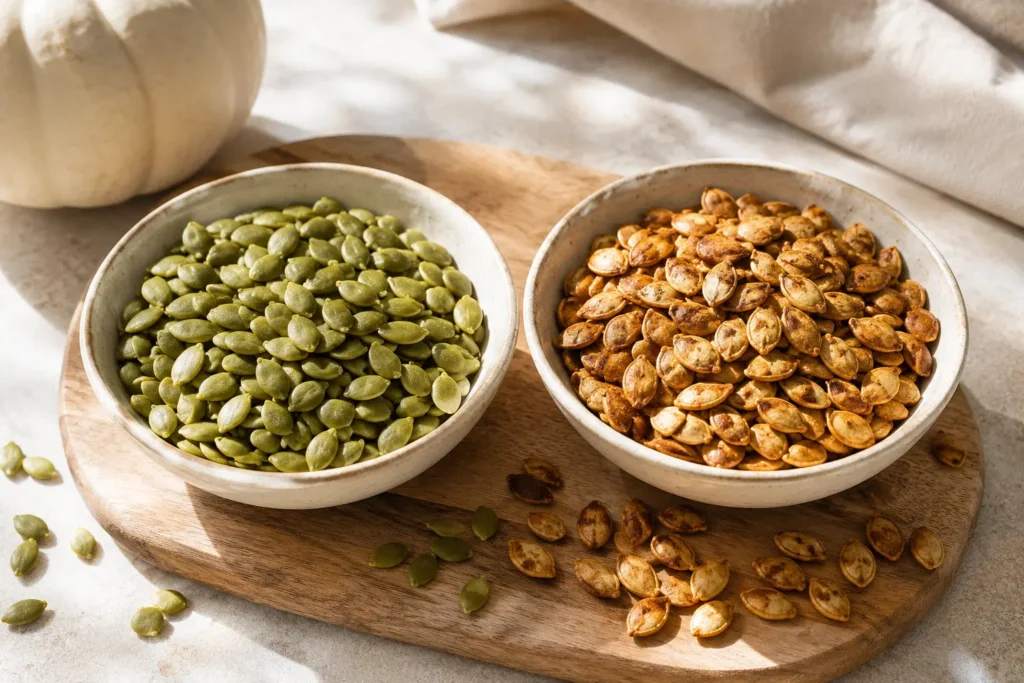
Both raw and roasted pumpkin seeds can be nutritious choices, and the healthier option often depends more on how they are prepared than whether they are raw or roasted.
Raw pumpkin seeds retain their natural flavor and nutrients, making them a simple addition to salads, smoothies, or breakfast bowls.
Lightly dry-roasted pumpkin seeds develop a richer, nuttier taste and a crisp texture that many people enjoy as a snack. However, roasting at very high temperatures for extended periods may reduce some heat-sensitive nutrients.
If purchasing packaged roasted pumpkin seeds, check the ingredient list and choose varieties with minimal added salt, sugar, or oil whenever possible.
For everyday use, both raw and lightly roasted pumpkin seeds can fit into a balanced diet.
Are Pumpkin Seeds Safe for Everyone?
For most healthy people, pumpkin seeds are a safe and nutritious food when eaten in moderation. They provide protein, healthy fats, fiber, vitamins, and minerals that can complement a balanced diet.
However, like any food, pumpkin seeds may not be suitable for everyone. Individual nutritional needs, allergies, and certain medical conditions should always be considered. If you have a chronic health condition or are following a special diet, it’s a good idea to seek personalized advice from a qualified healthcare professional.
Possible Side Effects of Pumpkin Seeds
Although pumpkin seeds are generally well tolerated, eating excessive amounts may lead to a few unwanted effects.
1. Digestive Discomfort
Pumpkin seeds contain dietary fiber, which supports digestive health. However, eating a large quantity in one sitting may cause bloating, gas, or stomach discomfort in some individuals, especially if they are not used to a high-fiber diet.
Starting with a small serving and drinking enough water throughout the day may help improve tolerance.
2. High Calorie Intake
Despite being highly nutritious, pumpkin seeds are calorie-dense because they naturally contain healthy fats.
Regularly eating large portions without adjusting your overall calorie intake may contribute to weight gain over time. A serving of about 20–30 grams per day is generally sufficient for most adults.
3. Added Salt in Packaged Products
Many commercially available roasted pumpkin seeds contain added salt or flavoring.
Excess sodium intake may not be suitable for people who are trying to limit salt in their diet. Whenever possible, choose plain or lightly roasted, unsalted pumpkin seeds.
4. Allergic Reactions
Although uncommon, some individuals may be allergic to pumpkin seeds or other seeds.
Symptoms can include itching, swelling, skin rashes, or difficulty breathing. If you experience signs of an allergic reaction after eating pumpkin seeds, seek medical attention immediately.
Who Should Be Careful with Pumpkin Seeds?
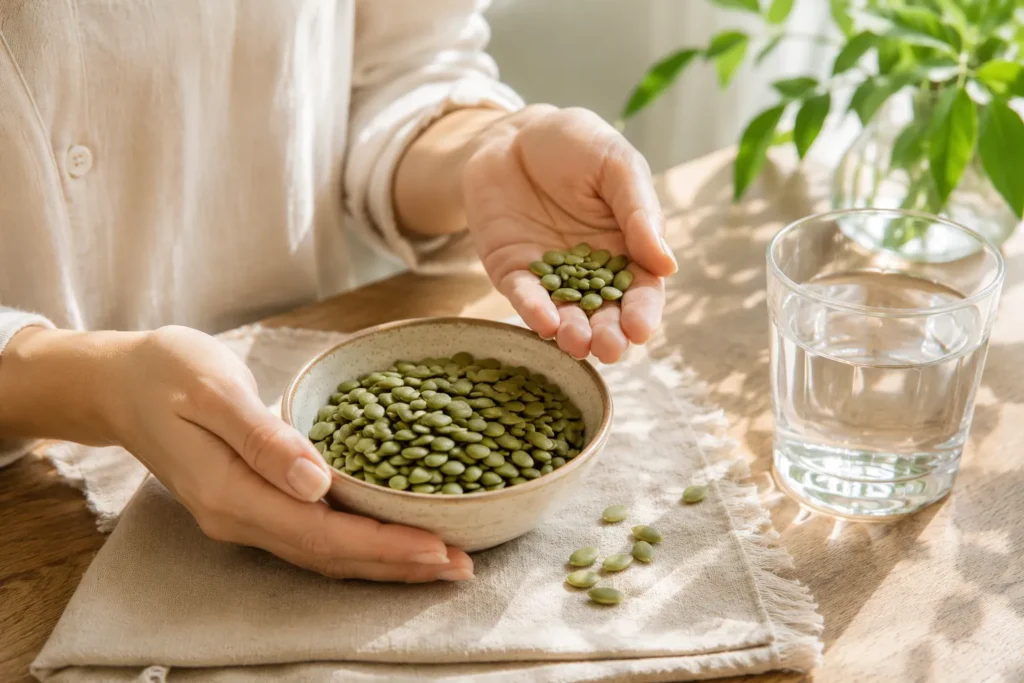
Pumpkin seeds can be enjoyed by most healthy individuals, but some people should consume them with extra care.
This includes:
- People with a known seed allergy.
- Individuals following medically prescribed low-potassium or low-phosphorus diets due to certain kidney conditions.
- Those advised by their healthcare provider to restrict calorie intake should pay attention to portion sizes.
- Young children should only be offered pumpkin seeds when they can chew them safely to reduce the risk of choking.
If you have a medical condition or take prescription medications, consult your healthcare provider before making significant dietary changes.
While pumpkin seeds benefits are supported by their nutrient-rich composition, they are most effective when enjoyed as part of a varied diet and healthy lifestyle rather than as a standalone solution.
Final Thoughts
Pumpkin seeds are a simple yet nutrient-rich food that can make a valuable addition to a healthy lifestyle. Their impressive combination of plant protein, healthy fats, fiber, magnesium, zinc, iron, and antioxidants is one of the key pumpkin seeds benefits, making them one of the most nutritious seeds you can include in your diet.
While no single food can prevent or cure disease, regularly eating moderate portions of pumpkin seeds as part of a balanced eating pattern may support overall health and help you meet your daily nutritional needs.
Whether you sprinkle them over breakfast, mix them into salads, blend them into smoothies, or enjoy them as a wholesome snack, pumpkin seeds are an easy and versatile way to add more nutrition to your everyday meals.
Ultimately, the greatest benefits come not from one “superfood” but from maintaining a varied diet, staying physically active, getting enough sleep, and following healthy lifestyle habits over the long term.
FAQs
1. Can I eat pumpkin seeds every day?
Yes, most healthy adults can enjoy pumpkin seeds daily in moderation. A serving of about 20–30 grams (a small handful) provides protein, healthy fats, fiber, magnesium, zinc, and other nutrients. Eating them as part of a balanced diet is generally considered a healthy choice.
2. What is the best way to eat pumpkin seeds?
Pumpkin seeds can be eaten raw or lightly roasted. They can also be added to oatmeal, yogurt, smoothies, salads, soups, trail mixes, or baked goods. Choose unsalted varieties whenever possible to reduce sodium intake.
3. Are raw pumpkin seeds healthier than roasted pumpkin seeds?
Both raw and lightly roasted pumpkin seeds are nutritious. Raw seeds retain their natural nutrients, while lightly roasted seeds offer a richer flavor and crunchy texture. Avoid heavily salted or deep-fried varieties.
4. Are pumpkin seeds good for people with diabetes?
Pumpkin seeds contain protein, healthy fats, fiber, and magnesium, making them a nutritious food choice. They can be included in a balanced diet, but people with diabetes should follow their healthcare provider’s dietary advice.
5. Can pumpkin seeds improve hair and skin health?
Pumpkin seeds contain zinc, vitamin E, healthy fats, and antioxidants that support normal skin and hair health. While they are not a treatment for hair loss or skin conditions, they can contribute valuable nutrients as part of a healthy diet.
6. Can children eat pumpkin seeds?
Yes. Older children who can chew safely may enjoy pumpkin seeds in moderation. For younger children, finely ground pumpkin seeds can be mixed into foods such as yogurt or oatmeal to reduce the risk of choking.
7. Are pumpkin seeds good for cholesterol?
Pumpkin seeds contain unsaturated fats, fiber, and phytosterols that can support heart-healthy eating patterns. While they are not a treatment for high cholesterol, including them as part of a balanced diet may contribute to overall cardiovascular health.
8. Are pumpkin seeds keto-friendly?
Yes. Pumpkin seeds are relatively low in carbohydrates and rich in healthy fats and protein, making them a suitable snack for many people following a ketogenic or low-carbohydrate diet.
9. Can pumpkin seeds help improve sleep?
Pumpkin seeds contain magnesium and tryptophan, nutrients involved in normal sleep-related processes. While they are not a remedy for insomnia, they can be included as part of a healthy evening snack.
10. Should pumpkin seeds be soaked before eating?
Soaking pumpkin seeds is optional. Some people soak them before roasting or eating to soften the texture. Both soaked and unsoaked pumpkin seeds can be enjoyed as part of a healthy diet.
Disclaimer: This article is for informational and educational purposes only. It is based on traditional practices and general wellness knowledge. It is not intended to diagnose, treat, cure, or prevent any disease. Please consult a qualified professional before making any health-related changes.