
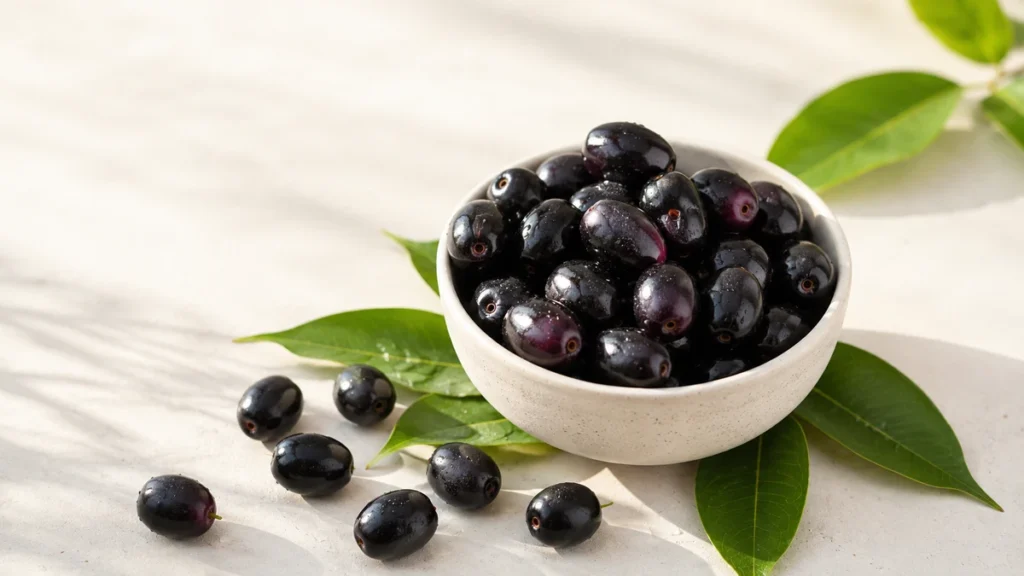
Deep purple, juicy, and pleasantly sweet with a hint of tartness, jamun (also known as Java plum or Indian blackberry) is one of India’s most cherished seasonal fruits. Beyond its refreshing taste, jamun has been valued for centuries in Ayurveda and traditional wellness practices for its impressive nutritional profile and potential health-supporting properties.
Today, modern research has also highlighted that jamun contains beneficial plant compounds such as anthocyanins, polyphenols, flavonoids, and vitamin C, which may help protect the body from oxidative stress and support overall well-being. While jamun is not a cure for any disease, including it as part of a balanced diet may contribute to better health.
In this guide, you’ll discover the jamun benefits, its nutritional value, Ayurvedic significance, and evidence-informed ways this remarkable fruit may support your health.
Table of Contents
What Is Jamun?
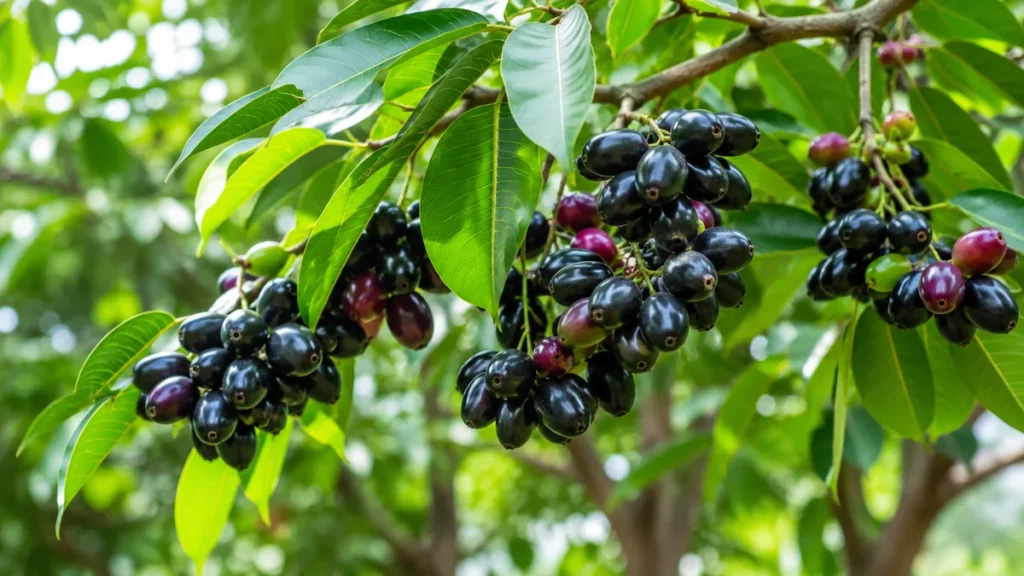
Jamun (Syzygium cumini) is a tropical fruit native to the Indian subcontinent and several Southeast Asian countries. It is commonly known by different names, including:
- Java Plum
- Indian Blackberry
- Black Plum
- Jambolan
- Malabar Plum
The fruit has a deep purple to almost black skin with soft, juicy flesh and a distinctive sweet-astringent taste. Jamun is usually available during the summer and early monsoon months, making it a refreshing seasonal fruit.
Besides being enjoyed fresh, jamun is also used to prepare juices, smoothies, vinegar, herbal formulations, and traditional recipes. In Ayurveda, not only the fruit but also the seeds, bark, and leaves have been traditionally used for various wellness purposes.
Jamun in Ayurveda
Ayurveda considers jamun a valuable seasonal fruit due to its cooling and balancing qualities.
Ayurvedic Properties
| Property | Description |
|---|---|
| Sanskrit Name | Jambu |
| Botanical Name | Syzygium cumini |
| Rasa (Taste) | Astringent, Sweet |
| Virya | Cooling |
| Vipaka | Pungent |
| Dosha Effect | Traditionally believed to help balance Kapha and Pitta |
According to Ayurvedic texts, jamun is traditionally used to support digestion, maintain healthy metabolism, and promote overall wellness. These traditional uses are based on Ayurvedic principles and should not be interpreted as medical treatment.
Nutritional Value of Jamun
Although jamun is naturally low in calories, it is packed with vitamins, minerals, dietary fiber, and antioxidant compounds.
Approximate Nutritional Value (per 100 g)
| Nutrient | Amount |
|---|---|
| Calories | 60–65 kcal |
| Carbohydrates | 14–15 g |
| Dietary Fiber | 0.6–1 g |
| Protein | 0.7 g |
| Fat | 0.2 g |
| Vitamin C | Moderate amount |
| Calcium | 15–20 mg |
| Iron | 1–1.5 mg |
| Potassium | Moderate amount |
| Magnesium | Small amount |
Jamun is especially rich in anthocyanins, the natural pigments responsible for its deep purple color. These compounds act as antioxidants and may help protect cells from oxidative damage.
Why Is Jamun Considered a Superfruit?
Jamun stands out because it combines several health-supporting nutrients in one delicious fruit.
It naturally contains:
- Anthocyanins
- Polyphenols
- Flavonoids
- Ellagic acid
- Vitamin C
- Iron
- Potassium
- Dietary fiber
Together, these nutrients may help support immunity, digestion, heart health, and overall wellness while helping protect the body against oxidative stress.
12 Science-Backed Jamun Benefits
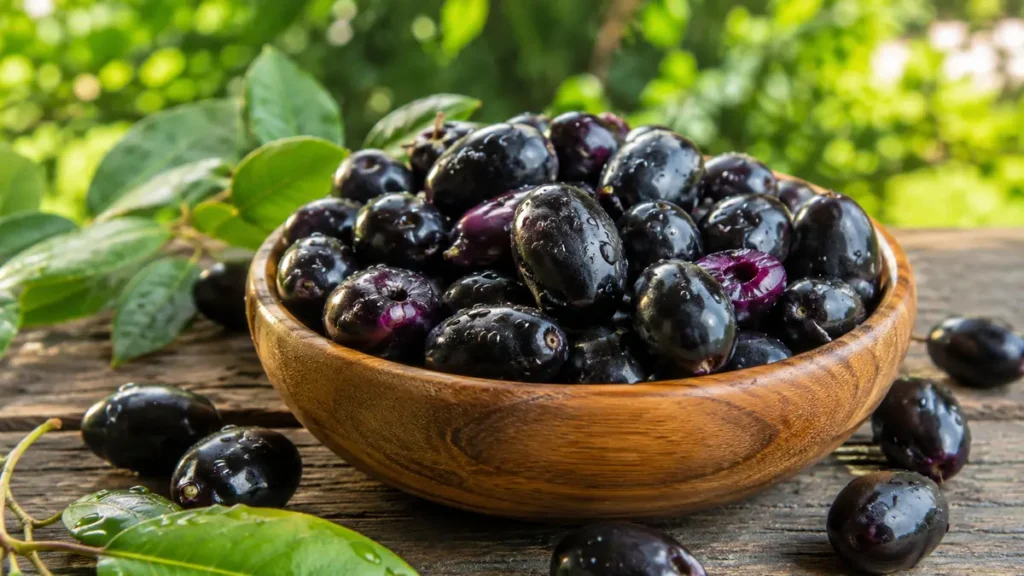
Jamun is more than just a delicious seasonal fruit. Its unique combination of antioxidants, dietary fiber, vitamins, and beneficial plant compounds contributes to many potential jamun benefits. Here are 12 science-backed ways this nutrient-rich fruit may support your overall health.
1. Rich in Powerful Antioxidants
One of the biggest jamun benefits is its exceptionally high antioxidant content.
The fruit’s dark purple colour comes from anthocyanins, which are natural plant pigments known for their antioxidant activity. These compounds help neutralize unstable molecules called free radicals that can damage cells over time.
Research suggests that diets rich in antioxidant-containing fruits may support healthy aging and overall wellness. Jamun also contains flavonoids, tannins, and phenolic compounds that contribute to its antioxidant properties.
Including antioxidant-rich fruits like jamun in your diet may help:
- Protect cells from oxidative stress
- Support healthy aging
- Promote overall well-being
- Complement a balanced diet rich in fruits and vegetables
Although jamun is rich in antioxidants, it should be enjoyed as part of a varied, nutrient-rich diet rather than relied upon as a single health solution.
2. May Support Healthy Blood Sugar Levels
Among the most widely discussed benefits of jamun is its traditional role in supporting healthy blood sugar management.
Ayurveda has long used various parts of the jamun tree, particularly its seeds, in traditional wellness practices. Modern research has also explored compounds such as jamboline and ellagic acid found in jamun.
Some studies suggest these compounds may help support normal glucose metabolism. Additionally, jamun has a relatively low glycaemic index compared to many sweet fruits, making it a suitable seasonal fruit for many people when consumed in moderation.
However, jamun is not a substitute for diabetes medication or medical treatment.
If you have diabetes or take blood sugar-lowering medicines, consult your healthcare provider before consuming jamun regularly, especially seed-based supplements.
Also read: Methi Water Benefits: Complete Guide for Weight Loss, Blood Sugar Control, and Better Health
3. Supports Healthy Digestion
Jamun has traditionally been valued for promoting digestive comfort.
Its dietary fibre supports regular bowel movements, while its natural astringent properties are believed in Ayurveda to help maintain digestive balance.
Eating fibre-rich fruits like jamun may contribute to:
- Better digestion
- Healthy bowel function
- Improved gut health
- Greater satiety after meals
Many people also enjoy jamun after meals because of its refreshing taste and digestive appeal.
A healthy digestive system plays an important role in nutrient absorption and overall wellness, making seasonal fruits like jamun a valuable addition to a balanced diet.
Also read: Saunf Water Benefits for Digestion: How Fennel Water Improves Gut Health Naturally
4. May Help Strengthen Immunity
A strong immune system depends on a balanced lifestyle that includes nutritious foods, adequate sleep, regular physical activity, and stress management.
Jamun contributes to this healthy lifestyle by providing vitamin C and antioxidant-rich plant compounds.
Vitamin C supports normal immune function, while antioxidants help protect immune cells from oxidative stress.
Regularly eating a variety of colourful fruits—including jamun during its season—may help maintain a healthy immune system and support the body’s natural defence mechanisms.
Remember that no single food can prevent illness, but a nutrient-rich diet can contribute to overall immune health.
Also read: Yoga For Better Digestion – Poses That Fix Gut Problems Naturally
5. Good for Heart Health
Your heart benefits from a diet rich in fruits, vegetables, whole grains, and healthy fats—and jamun fits well into this pattern.
Jamun contains potassium, antioxidants, and plant compounds that may support cardiovascular wellness.
Some research suggests antioxidant-rich diets may help:
- Support healthy blood vessel function
- Reduce oxidative stress
- Promote healthy circulation
- Support normal cholesterol metabolism as part of a healthy lifestyle
Since jamun is naturally low in calories and fat, it can be a nutritious seasonal snack for people aiming to support heart health.
6. May Support Healthy Weight Management
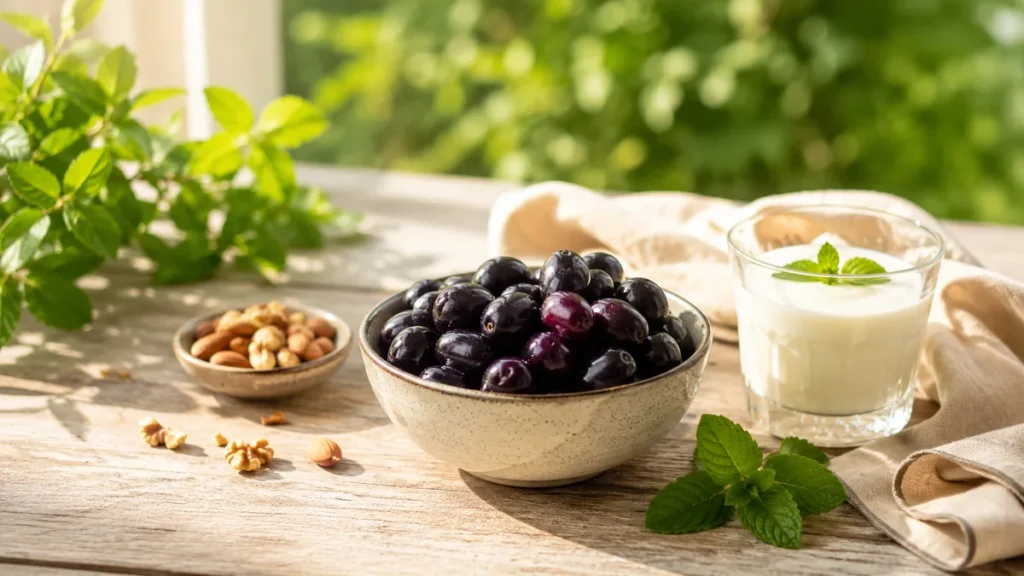
If you’re looking for naturally satisfying snacks, jamun can be a smart seasonal choice.
Jamun is relatively low in calories while providing fibre and water, which may help you feel fuller for longer.
Replacing sugary desserts or processed snacks with fresh seasonal fruits like jamun may support healthy eating habits.
When combined with regular exercise and a balanced diet, jamun can be part of an overall weight management plan.
However, sustainable weight management depends on long-term healthy lifestyle choices rather than any single fruit.
7. May Promote Healthy Skin
Among the lesser-known jamun benefits is its potential role in supporting healthy, glowing skin. Jamun contains vitamin C, anthocyanins, and other antioxidants that help protect skin cells from oxidative stress caused by free radicals.
Vitamin C is essential for collagen production, which helps maintain skin elasticity and firmness. Antioxidants may also support the skin’s natural defense against environmental damage, such as pollution and UV exposure.
Including antioxidant-rich fruits like jamun as part of a balanced diet may help:
- Support healthy skin from within
- Promote collagen formation
- Protect skin cells from oxidative stress
- Contribute to a natural glow
Healthy skin also depends on proper hydration, adequate sleep, sun protection, and a nutrient-rich diet.
Also read: Neem Benefits for Skin: Acne, Oily Skin, Dark Spots & More
8. May Support Oral Health
Jamun has been traditionally used in Ayurveda to promote oral hygiene. The fruit and other parts of the jamun tree have natural astringent properties that are believed to support healthy gums.
While fresh jamun should not replace brushing or dental care, enjoying it as part of a balanced diet may contribute to overall oral wellness.
Good oral health habits include:
- Brushing twice daily
- Flossing regularly
- Limiting sugary foods
- Visiting a dentist for routine check-ups
9. Helps Keep You Hydrated During Summer
Jamun is a refreshing seasonal fruit that naturally contains water, making it a great addition to your summer diet.
During hot weather, eating water-rich fruits along with drinking enough fluids may help maintain hydration and electrolyte balance.
Jamun can be enjoyed:
- As a fresh snack
- In fruit salads
- As homemade juice (without added sugar)
- In smoothies
Pairing jamun with other seasonal fruits can help create a colorful, nutrient-rich diet.
10. May Support Healthy Cholesterol Levels
Another promising jamun benefit is its potential role in supporting heart-friendly cholesterol levels when included as part of a healthy lifestyle.
Jamun contains dietary fiber and antioxidant compounds that may help support normal lipid metabolism. Some preliminary studies have explored the effects of jamun extracts on cholesterol, but more human research is needed.
To support healthy cholesterol levels:
- Eat more fruits and vegetables.
- Choose whole grains.
- Stay physically active.
- Limit foods high in saturated and trans fats.
- Maintain a healthy body weight.
Jamun can be one nutritious addition to these heart-healthy habits.
11. May Help Reduce Oxidative Stress
Oxidative stress occurs when there is an imbalance between free radicals and the body’s antioxidant defenses. Over time, oxidative stress may contribute to cellular damage.
Jamun is naturally rich in antioxidant compounds such as:
- Anthocyanins
- Polyphenols
- Flavonoids
These plant compounds may help neutralize free radicals and support the body’s natural defense systems.
Eating a variety of colorful fruits and vegetables—including jamun during its season—may help support long-term wellness.
12. Supports Overall Wellness
Perhaps the greatest benefit of jamun is that it contributes to an overall healthy lifestyle.
Jamun provides a combination of:
- Vitamins
- Minerals
- Dietary fiber
- Antioxidants
- Natural plant compounds
Instead of relying on a single “superfood,” focus on building a balanced diet filled with seasonal fruits, vegetables, legumes, whole grains, and healthy fats. Jamun fits perfectly into this approach.
Also read: Turmeric Milk Benefits: A Simple Ayurvedic Drink for Daily Wellness
Emerging research also suggests that jamun contains bioactive compounds with antioxidant and metabolic health potential. You can learn more in this comprehensive review published by the National Library of Medicine (NIH).
How to Eat Jamun
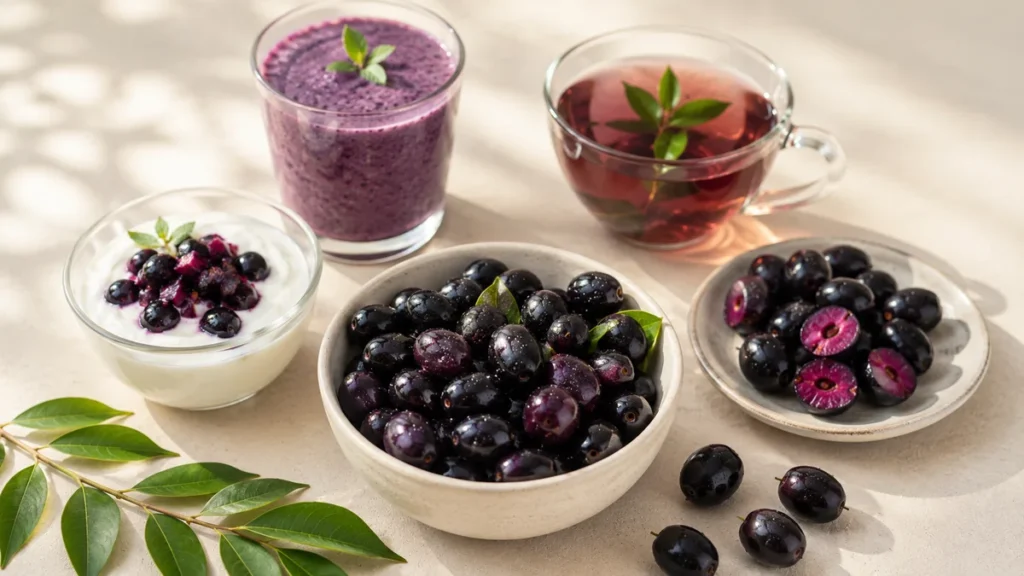
Fresh jamun is the best way to enjoy its natural flavor and nutrients.
Healthy ways to include jamun in your diet include:
- Eat fresh, washed jamun as a snack.
- Add it to fruit salads.
- Blend it into smoothies.
- Prepare homemade jamun juice without added sugar.
- Add it to yogurt or curd.
- Make a refreshing summer fruit bowl.
Jamun seed powder is also used in traditional Ayurveda. However, it should only be used under the guidance of a qualified healthcare professional or Ayurvedic practitioner.
Best Time to Eat Jamun
There is no strict rule about the best time to eat jamun. However, many people enjoy it:
- As a mid-morning snack
- In the evening as a light snack
- After meals in moderation
Avoid eating excessive quantities on an empty stomach if it causes digestive discomfort.
Moderation is key, as with any fruit.
Also read: Saffron (Kesar) in Ayurveda: Benefits & Daily Uses
Possible Side Effects of Jamun
Although jamun is generally safe for most healthy people when eaten in moderation, excessive consumption may cause unwanted effects.
Possible side effects include:
- Mild stomach discomfort
- Constipation in some individuals due to its astringent nature
- Temporary staining of the tongue or teeth
- Blood sugar may decrease if consumed in excess, particularly in people taking diabetes medication
If you experience any unusual symptoms after eating jamun, stop consuming it and seek medical advice.
Who Should Be Careful with Jamun?
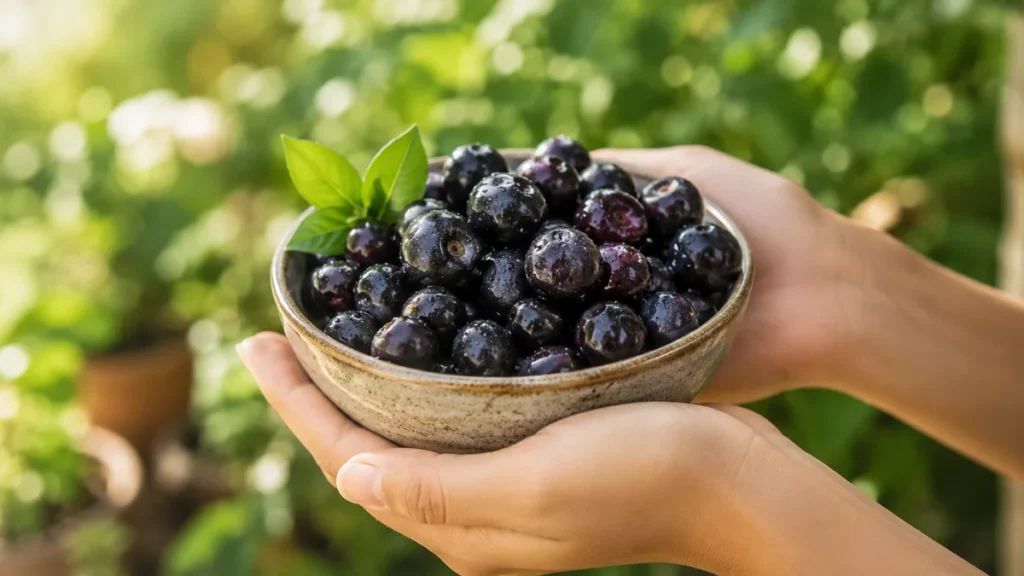
While jamun is nutritious, some people should consume it with extra care.
These include:
- People taking diabetes medications
- Individuals preparing for surgery (consult your healthcare provider regarding dietary restrictions)
- Those with known allergies to jamun or similar fruits
- Anyone with chronic medical conditions who has been advised to follow a specific diet
If you are pregnant or breastfeeding, moderate consumption of fresh jamun is generally considered acceptable as part of a balanced diet. However, consult your healthcare provider before using jamun seed powder or herbal supplements.
For a deeper understanding of jamun’s nutritional value and safety, read this comprehensive peer-reviewed review on Jamun (Syzygium cumini).
Conclusion
Jamun is more than just a delicious summer fruit—it is a nutrient-dense addition to a healthy lifestyle. Rich in antioxidants, fiber, vitamins, and beneficial plant compounds, jamun benefits include supporting digestive health, heart health, immunity, skin wellness, and overall well-being.
From an Ayurvedic perspective, jamun has long been valued for its cooling and balancing qualities. Modern research also highlights its impressive nutritional profile, although more human studies are needed to fully understand many of its traditional uses.
Enjoy fresh jamun in moderation as part of a varied diet, stay physically active, and follow a healthy lifestyle to make the most of this seasonal fruit.
FAQs
1. What are the top jamun benefits for health?
Jamun benefits include providing antioxidants, vitamin C, fiber, and essential minerals. Eating jamun as part of a balanced diet may support digestion, heart health, immunity, and overall wellness.
2. Is it good to eat jamun every day?
Yes, eating fresh jamun in moderation during its season is generally safe for most healthy people. Enjoy it as part of a varied and balanced diet.
3. Is jamun good for diabetes?
Jamun has a relatively low glycemic index and has been traditionally used in Ayurveda to support healthy blood sugar levels. However, people with diabetes should follow their healthcare provider’s advice and continue prescribed treatment.
4. Is jamun good for weight loss?
Jamun is low in calories and contains fiber, which may help you feel full for longer. It can be a healthy snack as part of a balanced weight-management plan.
5. Is jamun good for skin?
Yes. Jamun contains vitamin C and antioxidants that may help support healthy, glowing skin when combined with a nutritious diet and healthy lifestyle.
6. Does jamun improve digestion?
Jamun contains dietary fiber and has traditionally been valued in Ayurveda for supporting digestive health. It may help maintain regular bowel function when eaten in moderation.
7. Can pregnant women eat jamun?
Yes, fresh jamun can usually be enjoyed in moderation during pregnancy as part of a balanced diet. If you have a medical condition or concerns, consult your healthcare provider.
8. Why is jamun called a superfruit?
Jamun is often called a superfruit because it is packed with antioxidants, vitamins, minerals, and plant compounds that may support overall wellness when included in a healthy diet.
Disclaimer: This article is for informational and educational purposes only. It is based on traditional practices and general wellness knowledge. It is not intended to diagnose, treat, cure, or prevent any disease. Please consult a qualified professional before making any health-related changes.