
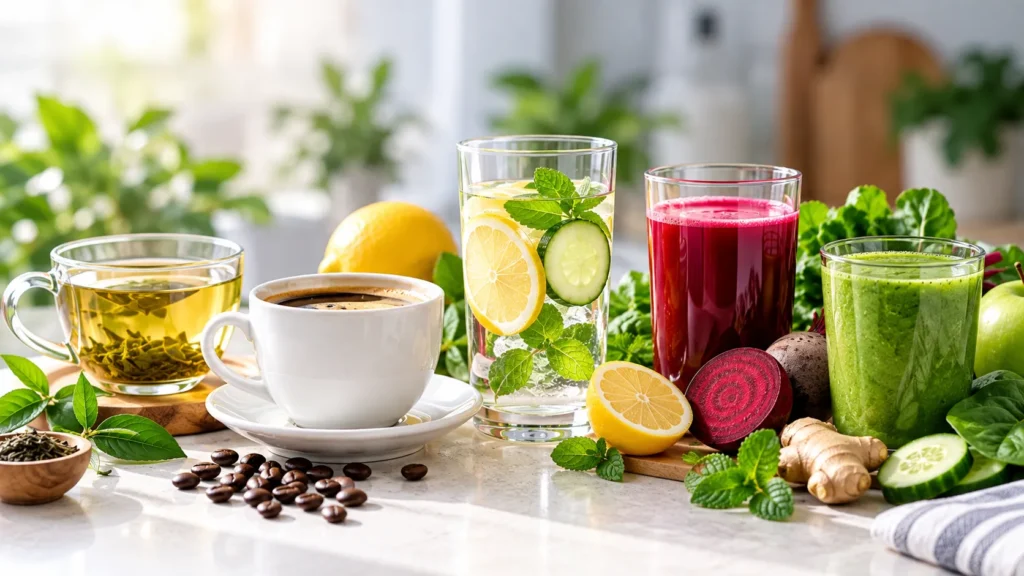
Your liver works quietly every day, performing hundreds of functions that help keep the body working properly. It processes nutrients, helps metabolize substances, produces important proteins, and plays a central role in how the body handles many compounds we consume.
Supporting liver health, however, does not require a special detox drink or an expensive cleanse. The bigger picture matters much more: the quality of your diet, physical activity, body weight, alcohol intake, and other everyday habits all influence liver health.
What you drink can still be part of that picture. Water remains the simplest choice for everyday hydration, while some other beverages have been studied for their potential relationship with liver health. Coffee has received particularly strong research attention, while green tea and beetroot have also been investigated. Other drinks can be useful mainly because they provide hydration without the large amounts of added sugar found in many soft drinks and sweetened beverages.
So, what are the best drinks for liver health? The answer is not one magical beverage. Instead, there are several sensible choices that can fit into a balanced lifestyle.
Table of Contents
1. Coffee
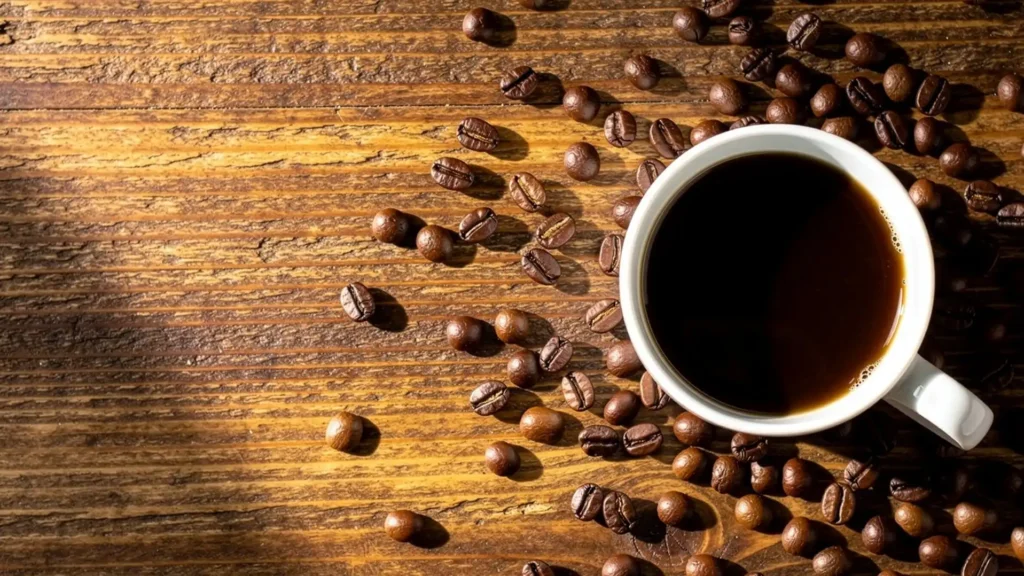
Coffee is one of the most extensively studied beverages when it comes to liver health. Research has repeatedly found an association between coffee consumption and a lower risk of several chronic liver conditions, including cirrhosis and liver cancer. A systematic review of studies examining coffee and liver disease also found associations with more favorable liver enzyme levels among people at risk for liver disease.
The reason coffee may have these effects is not completely understood. Coffee contains caffeine as well as numerous other naturally occurring compounds, including polyphenols and diterpenes. Researchers have proposed that these compounds may influence inflammation, oxidative stress, metabolic processes, and pathways involved in liver fibrosis.
Importantly, the research does not mean that coffee is a treatment for liver disease. Much of the evidence comes from observational studies, which can identify associations but cannot prove that coffee itself is responsible for better liver outcomes.
The way coffee is consumed can also make a difference to the overall quality of the diet. A plain cup of coffee or coffee with a modest amount of milk is very different from a heavily sweetened coffee beverage containing syrups, whipped cream, and large amounts of added sugar.
For people who already enjoy coffee, moderate unsweetened coffee can therefore be a reasonable part of a healthy routine. There is no need to start drinking large amounts simply because research has associated coffee with liver benefits.
Coffee has been associated with better liver outcomes in large observational studies, including lower risks of chronic liver disease and cirrhosis.
Earlier UK Biobank research has also found that different types of coffee, including decaffeinated, instant, and ground coffee, were associated with lower risks of adverse chronic liver disease outcomes.
Also read: Curry Leaves Water Benefits for Hair and Digestion
2. Green Tea
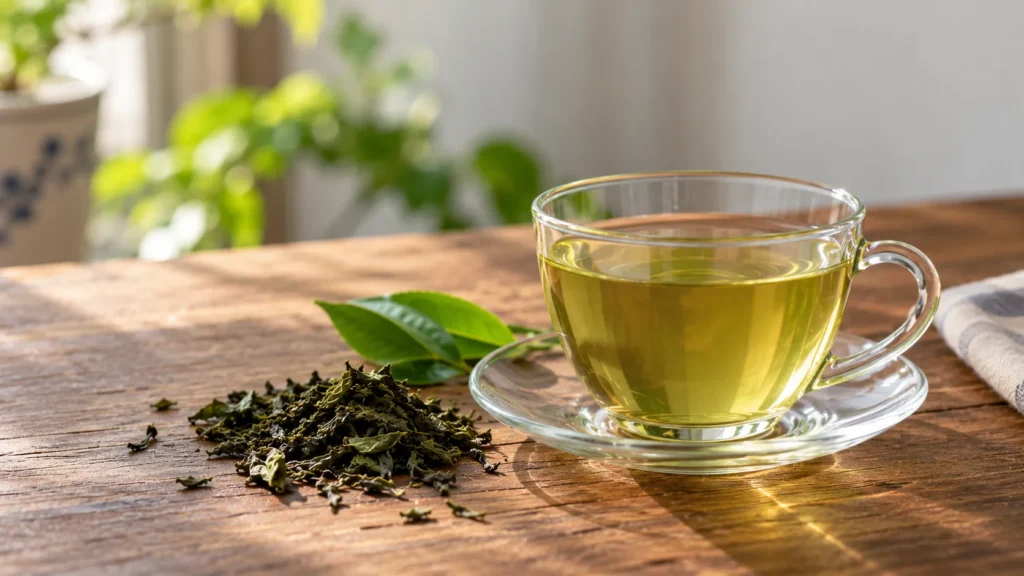
Green tea is another beverage that has attracted considerable interest from researchers. Made from the leaves of Camellia sinensis, green tea contains naturally occurring polyphenols called catechins, including epigallocatechin gallate, or EGCG.
These compounds have antioxidant properties, which is one reason green tea has been studied in relation to metabolic health and chronic diseases. Research examining green tea and liver health has produced promising but inconsistent findings, so it would be premature to describe green tea as a proven treatment for fatty liver disease.
There is also an important distinction between drinking green tea and taking concentrated green tea extracts. The National Center for Complementary and Integrative Health states that green tea consumed as a beverage has not raised the same safety concerns associated with concentrated extracts. Rare cases of liver injury have been reported, particularly with green tea extract products in tablet or capsule form.
For someone who enjoys tea, traditionally brewed green tea can be a simple low-sugar beverage to include in a balanced diet. It is best viewed as one healthy beverage option rather than a solution for liver problems.
People taking medication should also be cautious with concentrated green tea supplements because green tea products can interact with some medicines.
Research on green tea and liver health is promising, although results from clinical trials have not been completely consistent.
It is also important to distinguish ordinary green tea from concentrated green tea extract supplements, which have been linked to rare cases of liver injury.
Also read: 7 Powerful Black Pepper Water Benefits (Ayurvedic Way)
3. Beetroot Juice
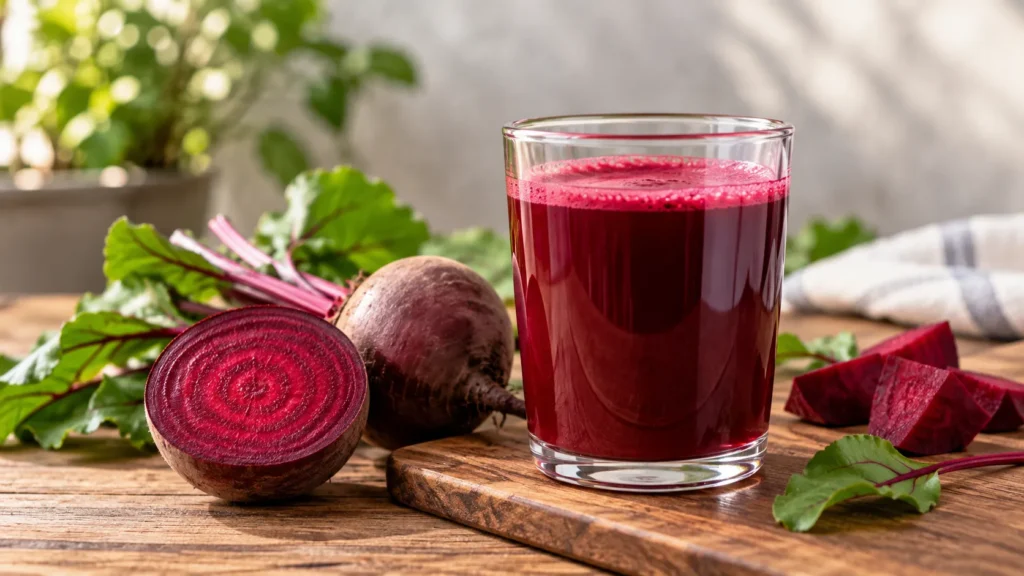
Beetroot has become increasingly interesting in nutrition research because it contains naturally occurring compounds such as betalains, betaine, and dietary nitrates. Researchers have investigated these compounds for their possible effects on oxidative stress, inflammation, cardiovascular health, and metabolism.
There is also emerging research involving fatty liver disease. A randomized controlled trial involving adults with fatty liver disease reported improvements in several metabolic and liver-related measurements after a 12-week intervention involving beetroot juice. However, these findings are still part of a relatively small body of research and should not be interpreted as proof that beetroot juice can treat fatty liver disease.
A more recent systematic review of plant-based interventions in adults with metabolic dysfunction-associated steatotic liver disease also reported potentially favorable findings for beetroot in some liver and metabolic measures, while emphasizing that further research is needed.
Beetroot juice can therefore be included as a nutritious beverage option, particularly when it does not contain added sugar. Whole beetroot is another excellent way to include the vegetable in the diet and provides dietary fiber that is reduced or removed during juicing.
The important point is that beetroot should be considered part of an overall healthy dietary pattern, rather than a replacement for medical treatment.
A randomized clinical trial has investigated beetroot juice in people with non-alcoholic fatty liver disease, suggesting that it may influence liver enzymes and other markers of liver health.
Also read: 7 Powerful Ayurvedic Drinks for Belly Fat Loss (Naturally & Effectively)
4. Coconut Water
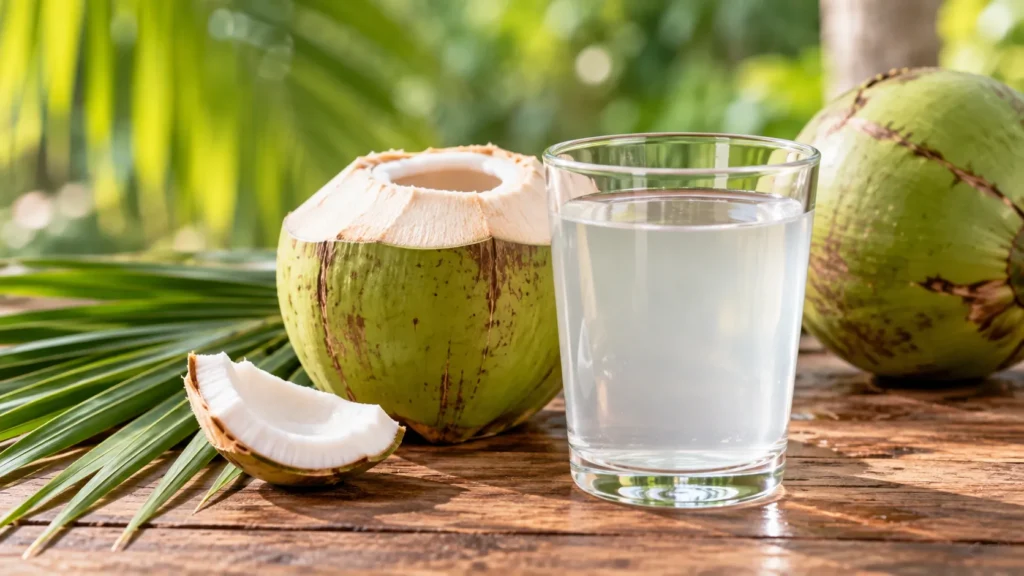
Coconut water is naturally refreshing and contains electrolytes such as potassium. For people who enjoy its taste, it can provide an alternative to soft drinks and other heavily sweetened beverages.
However, the evidence for a direct liver benefit from coconut water is much more limited than the evidence surrounding coffee. It would therefore be misleading to describe coconut water as a liver-protective drink based on current research.
Its value can instead come from what it replaces.
If someone regularly drinks sugary soda or another high-sugar beverage, choosing unsweetened coconut water instead can reduce the amount of added sugar consumed. That kind of substitution can be useful as part of a broader approach to metabolic health.
When choosing packaged coconut water, checking the nutrition label is worthwhile. Some products contain added sugars or other ingredients that are unnecessary if the goal is simply to choose a refreshing beverage.
Coconut water can be a good addition to a balanced diet, but plain water remains a simpler everyday choice for most people.
Also read: Ginger Water Benefits: Uses, Side Effects, and Best Time
5. Lemon and Lime Infused Water
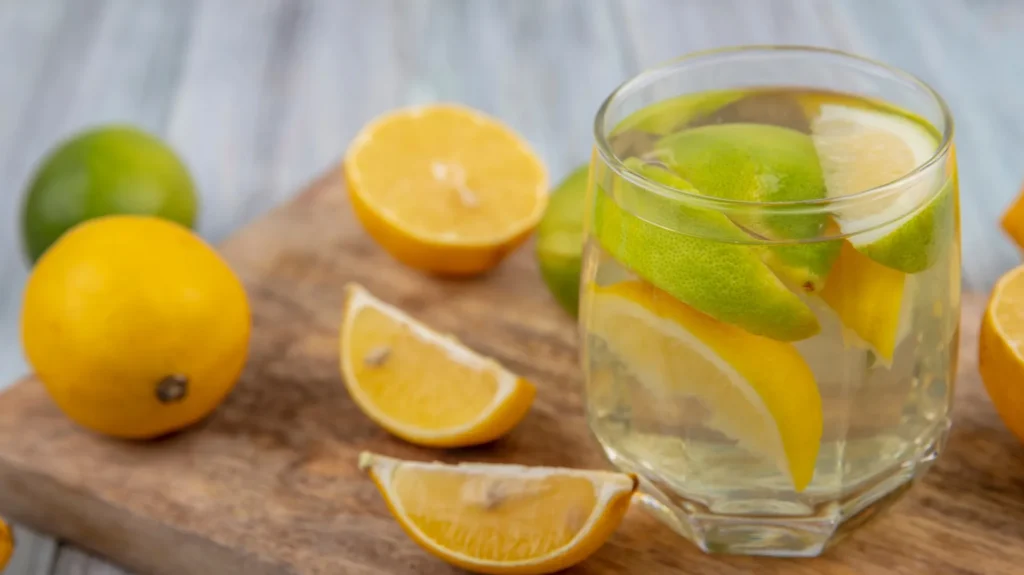
Lemon water is one of the most popular beverages promoted online for “liver detox.” The reality is much less dramatic.
There is no good evidence that adding lemon or lime to water cleanses the liver or removes toxins from the body. Your liver already performs complex metabolic and detoxification functions as part of normal physiology.
That does not make lemon water a poor choice. In fact, it can be a very practical one.
Some people find plain water boring and consequently drink less of it. Adding lemon, lime, cucumber, mint, berries, or another natural flavor can make water more appealing without turning it into a sugary beverage.
The benefit therefore comes mainly from hydration and substitution. If lemon water replaces soda, sweetened tea, or another sugar-heavy drink, it can help reduce added sugar and unnecessary calories in the diet.
This is an important distinction because healthy habits do not always need to work through a direct effect on the liver. Sometimes the benefit comes from making a better everyday choice easier to maintain.
Also read: Saunf Water Benefits for Digestion: How Fennel Water Improves Gut Health Naturally
6. Unsweetened Tea
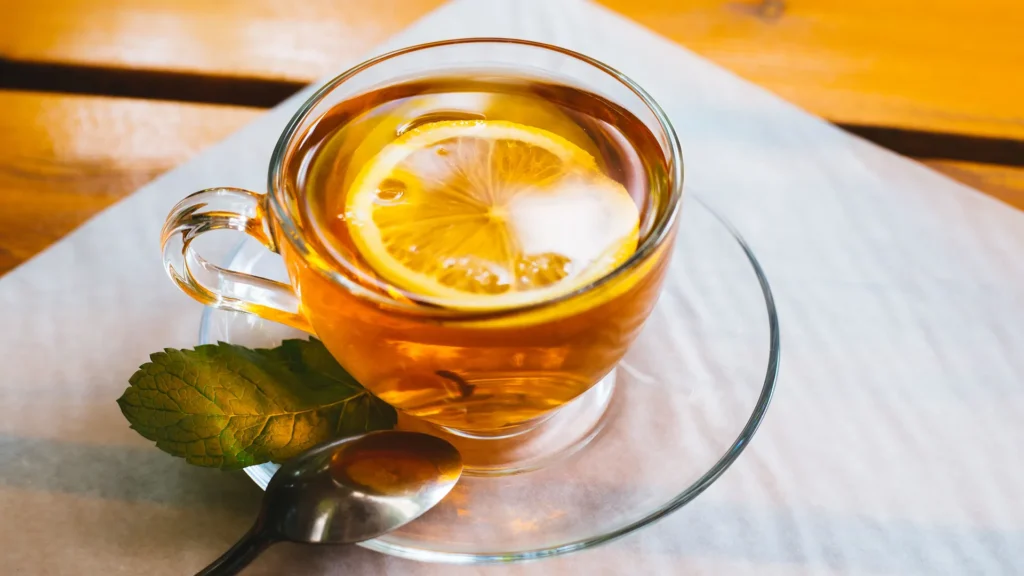
Green tea is not the only tea that can fit into a healthy lifestyle. Black tea, white tea, and oolong tea are also made from Camellia sinensis, although they undergo different processing methods.
These teas contain various plant compounds, including polyphenols, and can provide a flavorful alternative to sugar-sweetened beverages. However, evidence for a specific liver benefit varies, and it would be inaccurate to treat all teas as equivalent or to suggest that drinking tea prevents liver disease.
Herbal teas are different because they are made from plants other than Camellia sinensis. Many can be enjoyed as ordinary beverages, but the word “herbal” does not automatically mean that a product is beneficial or completely risk-free.
This is particularly relevant to concentrated herbal products and supplements marketed for weight loss or detoxification. Some supplements can interact with medicines or, in some circumstances, contribute to liver injury.
For everyday use, an unsweetened tea that you enjoy can be a sensible alternative to sugary drinks. The emphasis should remain on the overall dietary pattern rather than on expecting one type of tea to produce a special liver effect.
Also read: Methi Water Benefits: Complete Guide for Weight Loss, Blood Sugar Control, and Better Health
7. Plain Water

Plain water may be the least complicated drink on this list, but it remains the foundation of everyday hydration.
Water provides fluid without added sugar, alcohol, or unnecessary calories. Choosing water regularly can also make it easier to reduce consumption of soft drinks, sweetened juices, energy drinks, and other beverages that can add substantial amounts of sugar to the diet.
There is no evidence that drinking excessive amounts of water will “flush” the liver or make it detoxify faster. The liver already carries out its normal metabolic functions, and drinking more water than the body needs does not turn those processes into a cleanse.
The practical goal is simply to drink enough to stay hydrated and make water your main beverage when possible.
For people who dislike plain water, sparkling water or water flavored naturally with lemon, lime, cucumber, mint, or berries can make the habit easier to maintain.
Also read: Jeera Water Benefits: Best Time to Drink
What Are the Best Drinks for Fatty Liver?
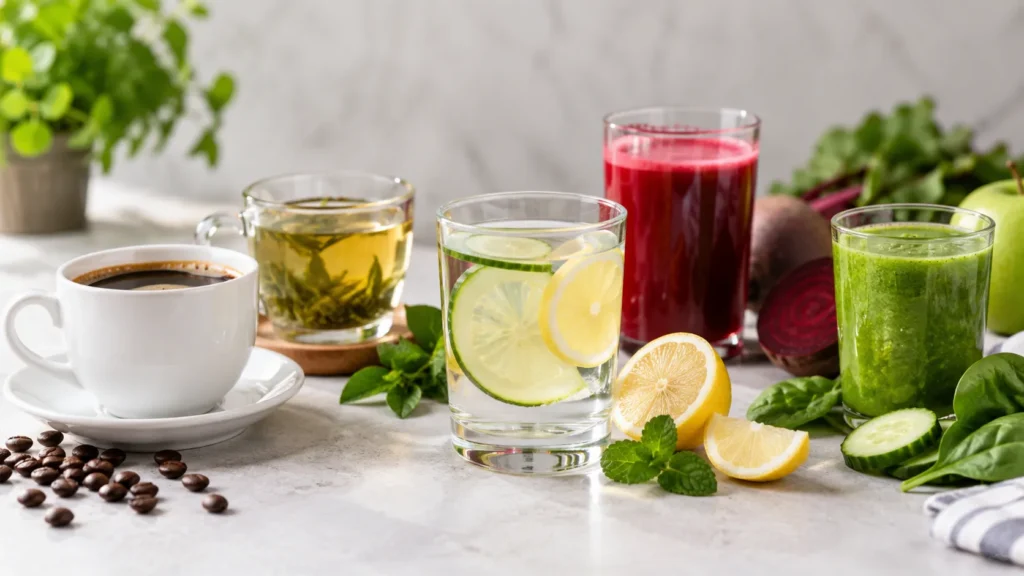
If you have been searching specifically for the best drinks for fatty liver, it is important to look beyond individual beverages.
Fatty liver disease is strongly connected with metabolic health, and current guidance emphasizes lifestyle measures such as improving dietary quality, increasing physical activity, and managing excess body weight when appropriate. The American Association for the Study of Liver Diseases describes lifestyle and dietary intervention as central components of managing metabolic dysfunction-associated steatotic liver disease.
Coffee is one beverage with particularly strong observational evidence and may be reasonable for people who already drink it. Water should remain the basic beverage, while unsweetened tea can be another low-sugar option.
But drinking coffee in the morning will not cancel out a diet consistently high in added sugar, excess calories, or heavily processed foods. Likewise, drinking beetroot juice does not compensate for physical inactivity or excessive alcohol consumption.
For fatty liver, the most useful approach is to think about the entire routine rather than searching for one special drink.
Also read: Tulsi Tea Benefits: A Traditional Herbal Drink for Daily Wellness
Drinks to Limit for Better Liver Health
A liver-friendly beverage pattern is not only about what you add to your diet. It is also about what you consume less frequently.
Sugar-sweetened beverages deserve particular attention. Regular soda, sweetened tea, many packaged fruit drinks, energy drinks, and other sugary beverages can contribute substantial amounts of added sugar and calories without providing much nutritional value.
Research has found an association between higher consumption of sugar-sweetened beverages and increased risk of fatty liver disease.
Replacing these drinks with water, unsweetened tea, or another low-sugar alternative can therefore be a simple and sustainable change.
Alcohol is another major consideration. Excessive alcohol consumption can cause liver injury and contribute to alcohol-associated liver disease, which can progress from fatty liver to more severe forms of liver damage.
People with significant liver disease may be advised to avoid alcohol completely, so anyone with a diagnosed liver condition should discuss alcohol use with their healthcare professional.
The same caution applies to “detox” drinks and cleansing products. A product marketed as natural, herbal, or plant-based is not automatically safe for the liver.
Alcohol is another important consideration because alcohol consumption is associated with liver disease and can contribute to liver injury.
Can a Drink Detox Your Liver?
The idea of a liver detox drink is appealing because it suggests that liver health can be improved quickly with a simple daily beverage. Unfortunately, the science does not support that idea.
Your liver already performs the body’s normal metabolic and detoxification functions. There is no juice, tea, flavored water, or powder that can wash toxins out of the liver in the way commonly claimed by detox products.
Some beverages may be associated with better liver outcomes or may support healthier dietary habits, but that is very different from “detoxifying” the liver.
This distinction matters because aggressive cleanses can sometimes distract people from habits that have much stronger evidence behind them. Improving the overall diet, being physically active, maintaining a healthy weight when appropriate, and reducing harmful alcohol intake are more meaningful approaches to long-term liver health.
What Actually Supports a Healthy Liver?
A healthy liver is supported by consistency rather than by a single superfood or beverage.
For people with metabolic dysfunction-associated steatotic liver disease, current guidance emphasizes a combination of dietary improvement, physical activity, and management of metabolic risk factors. AASLD’s 2026 educational guidance highlights a Mediterranean-style dietary pattern, regular physical activity, weight management, and attention to conditions such as diabetes, high blood pressure, and abnormal blood lipids.
This means that a typical day may involve much more than choosing the right drink. Vegetables, fruits, legumes, whole grains, nuts, seeds, seafood or plant proteins, and other minimally processed foods can form the basis of a balanced dietary pattern.
Physical activity matters as well. Regular movement supports metabolic health and can benefit liver health even when weight loss is not dramatic.
Alcohol intake also deserves attention, particularly for people who already have liver disease. AASLD recognizes alcohol as an important factor in the development and progression of alcohol-associated liver disease.
Taken together, these habits have much greater importance than whether you drink lemon water in the morning or choose one particular tea in the evening.
What About Morning Drinks for Liver Health?

There is no medically established morning drink that needs to be consumed to “activate,” “cleanse,” or “reset” the liver.
Starting the day with water is perfectly reasonable, particularly if you are thirsty after sleeping. Coffee or unsweetened tea can also fit into a healthy morning routine if you already enjoy them.
Lemon water is another option if adding citrus makes water easier to drink. There is no need to add special powders, oils, detox mixtures, or large amounts of herbs simply because a product claims to support liver cleansing.
A useful morning routine is one that you can maintain consistently. The quality of the entire day’s diet and activity matters much more than the first beverage you consume.
Also read: Warm Water Benefits in the Morning: A Simple Ayurvedic Daily Habit
Final Thoughts
The best drinks for liver health are not necessarily exotic, expensive, or marketed as detox products.
Water remains the simplest foundation for everyday hydration. Coffee has the strongest body of evidence among commonly consumed beverages in relation to favorable liver outcomes, while brewed green tea can be another sensible low-sugar choice. Beetroot juice is an interesting area of emerging research, while coconut water and infused water can be useful alternatives when they help replace sugary beverages.
But the most important lesson is bigger than any individual drink.
Your liver responds to your overall lifestyle. A balanced diet, regular physical activity, appropriate weight management, and sensible alcohol intake matter far more than finding one “perfect” beverage.
You do not need a liver cleanse to take better care of your liver. In most cases, the most useful changes are the simple ones you can maintain every day.
Choose better drinks. Eat a balanced diet. Stay active. And focus on habits that last.
FAQs
1. What is the best drink for liver health?
Water is the simplest everyday choice because it provides hydration without added sugar or alcohol. Unsweetened coffee and tea can also fit into a liver-friendly diet, with coffee having some of the strongest observational evidence for favorable liver outcomes. However, no single drink can replace a healthy overall diet and lifestyle.
2. What is the best drink for fatty liver?
For people with fatty liver, water, unsweetened coffee, and unsweetened tea are reasonable choices. The bigger priority is reducing sugary drinks and improving the overall dietary pattern. Research has found an association between higher intake of sugar-sweetened beverages and fatty liver disease.
3. Is coffee good for liver health?
Coffee may be beneficial for liver health. Several observational studies and meta-analyses have associated coffee consumption with lower risks of liver fibrosis and other liver-related outcomes. However, this does not mean coffee is a treatment for liver disease, and adding large amounts of sugar or other high-calorie ingredients can change the nutritional picture.
4. Is lemon water good for the liver?
Lemon water can be a healthy beverage choice, particularly when it helps someone drink more water instead of sugary drinks. However, there is no good evidence that lemon water “detoxes” or cleanses the liver. Its main practical benefit is hydration and replacing less healthy beverages.
5. What should I drink in the morning for liver health?
There is no medically established morning drink that needs to be consumed to “activate,” “cleanse,” or “reset” the liver. Water is a simple option, while unsweetened coffee or tea can also fit into a healthy morning routine. The overall quality of the diet and lifestyle matters much more than one morning beverage.
6. Can drinking water help your liver?
Water supports normal hydration, but drinking excessive amounts of water does not flush or detoxify the liver. The liver already performs its normal metabolic and detoxification functions. Drinking enough water and choosing it instead of sugary beverages can nevertheless support healthier overall beverage habits.
7. What drinks should you avoid with fatty liver?
People with fatty liver should pay particular attention to sugar-sweetened beverages such as regular soda, sweetened tea, energy drinks, and many packaged fruit drinks. These beverages can add substantial amounts of sugar and calories, and higher consumption of sugar-sweetened beverages has been associated with increased risk of fatty liver disease. Alcohol may also be harmful, particularly for people who already have liver disease.
8. Can any drink detox or cleanse the liver?
No specific drink has been medically established as a liver detox or cleanse. The liver naturally carries out processes that help metabolize and remove substances from the body. A healthier approach is to focus on an overall dietary pattern, physical activity, healthy weight when appropriate, and limiting alcohol and excess added sugar.
Disclaimer: This article is for informational and educational purposes only. It is based on traditional practices and general wellness knowledge. It is not intended to diagnose, treat, cure, or prevent any disease. Please consult a qualified professional before making any health-related changes.